A dedicated reading corner is more than just a place to store books; it is an intentional sanctuary within the home designed for rest, focus, and quiet contemplation. In an era dominated by constant digital stimulation and hectic daily schedules, having a physical space carved out exclusively for unwinding with a book can significantly improve mental well-being and encourage a consistent reading habit.
Designing a reading nook does not require an expansive spare room or a major architectural renovation. With thoughtful placement, ergonomic furniture choices, layered lighting, and tactile accents, you can transform any underutilized alcove, awkward corner, or sunlit window into a cozy haven.
Choosing the Ideal Location
The success of a reading corner begins with selecting the right footprint in your living environment. The ideal spot balances quiet seclusion with easy accessibility and adequate natural illumination.
-
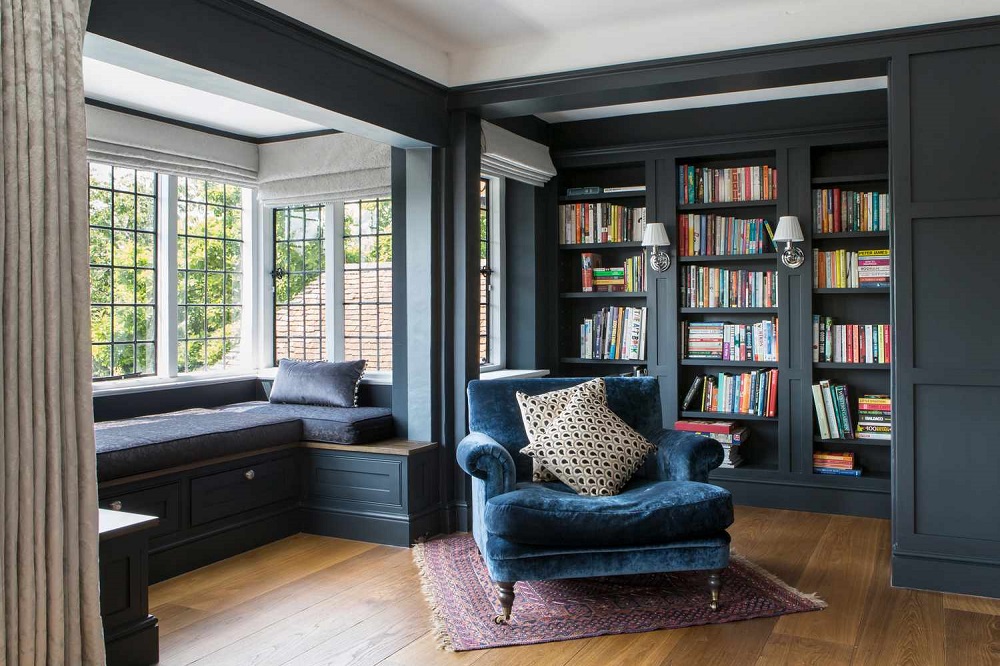
Window Niches and Bay Windows: Positioning your corner next to a window maximizes daytime sunlight and offers a soothing view during mental breaks. Built-in window benches or deep sills create natural perches that save floor space.
-
Bedroom Alcoves: Bedrooms naturally lean toward calm and low-traffic environments, making an unused corner opposite the bed an excellent candidate for an evening reading retreat.
-
Under-Stair Spaces: The awkward architectural dead zone beneath an open staircase can be retrofitted with custom shelving and a compact chair to produce a charming, private hideaway.
-
Living Room Corners: If separate rooms are unavailable, screen off a quiet corner of your main living room using a tall open bookcase or a folding room divider to delineate the reading zone from entertainment areas.
Selecting the Core Seating Element
Your chair is the centerpiece and primary workhorse of the reading nook. While aesthetics matter, comfort and ergonomic support must take precedence for sessions that last longer than a few minutes.
Prioritizing Ergonomics and Scale
Choose a seat with a deep seat cushion, supportive backrest, and padded armrests that allow your shoulders to relax while holding a book or tablet. Wingback chairs, oversized armchairs, and mid-century lounge chairs provide ample upper-body support. If space allows, pair your chair with a coordinating ottoman or pouf so you can elevate your feet, which relieves lower back tension and promotes circulation during extended reading.
Alternative Seating Configurations
For unconventional layouts or relaxed styles, consider options beyond the standard armchair:
-
Chaise Lounges and Daybeds: Ideal for elongated nooks or sunrooms, offering full-body horizontal support.
-
Floor Cushions and Poufs: Perfect for low-profile, bohemian corners or children reading areas where casual lounging is preferred.
-
Hanging Rattan or Papasan Chairs: These suspended designs add playful texture and cocoon the body gently in mid-air.
Layering the Lighting Scheme
Inadequate lighting causes eye strain, headaches, and physical fatigue, while overly harsh lighting disrupts the tranquil mood of the space. A well-designed reading nook relies on layered lighting that adapts from midday to late night.
Task Lighting for Focused Reading
A dedicated task lamp is non-negotiable. Look for adjustable floor lamps or wall-mounted swing-arm sconces that direct illumination straight onto your book without casting shadows across the page. Lamps with articulating necks allow you to adjust the beam angle whether you are sitting upright or reclining. Choose bulbs with a color temperature between 2700K and 3000K (warm white) to provide crisp readability without the sterile, cool cast of daylight bulbs.
Ambient and Accent Illumination
Supplement your task light with softer ambient elements to avoid stark contrasts in brightness between your reading page and the surrounding room. Dimmable table lamps with fabric shades, LED strip backlights behind floating bookshelves, or softly glowing lantern lights create a warm, inviting glow that signals to your mind that it is time to slow down.
Incorporating Functional Surfaces and Book Storage
A functional reading nook requires thoughtful storage solutions to keep books, reading glasses, bookmarks, and warm beverages within arm reach without creating physical clutter.
-
Compact Side Tables: A small side table or sturdy pedestal provides a stable surface for a mug of tea, a reading lamp, and a coaster. Opt for designs with a lower shelf or small drawer for concealed storage.
-
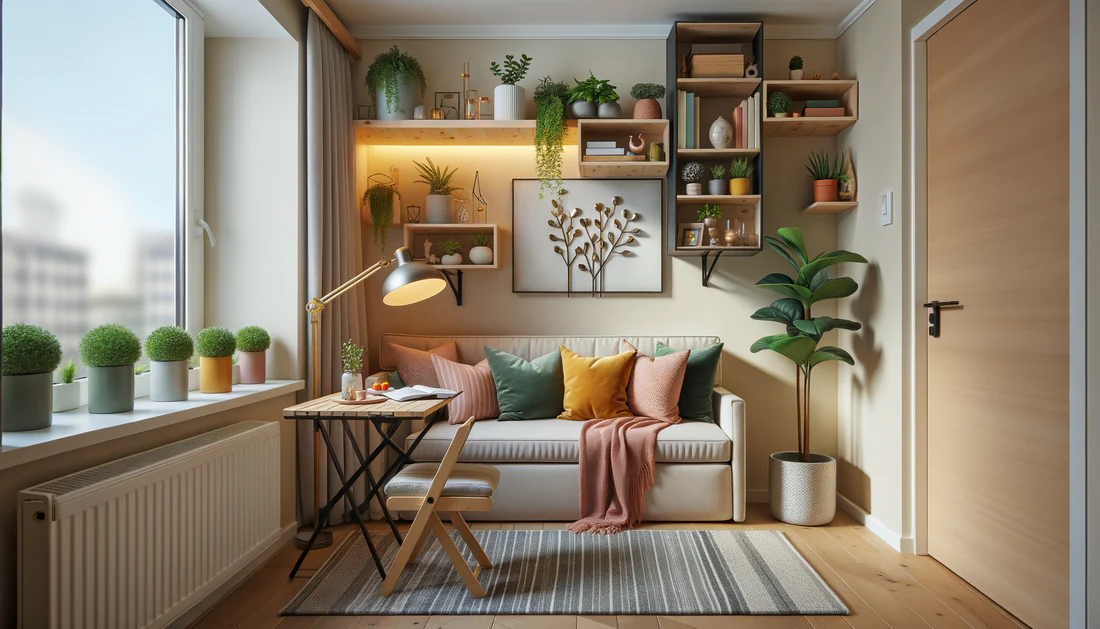
Floating Wall Shelves: If floor space is limited, install vertical floating shelves on the adjacent wall. Floating ledges let you display favorite books face-out, turning colorful book jackets into rotating wall art.
-
Ladder Bookcases: Leaning ladder shelves occupy a minimal footprint while delivering several vertical tiers of book storage and decorative display space.
-
Baskets and Magazine Racks: A woven rattan or wire basket on the floor keeps current reading material, journals, and spare throws organized and off the furniture.
Enhancing Comfort with Textiles and Tactile Elements
Textiles bring visual warmth, acoustic dampening, and essential physical comfort to a reading sanctuary. Layering varied textures makes the nook feel intentional and inviting.
Layered Rugs for Grounding
Anchor your reading corner with a plush accent rug. A high-pile wool rug, a sheepskin pelt draped over a flatweave base, or a soft jute rug defines the perimeter of the zone and insulates cold floors. Extending the front legs of your chair and side table onto the rug creates a cohesive, grounded vignette.
Throws and Lumbar Pillows
Keep a breathable, heavy-knit throw blanket or a cashmere wrap draped over the back of the chair for cooler evenings. Incorporate a supportive lumbar pillow to bolster the lower spine, alongside a decorative accent cushion made from velvet, linen, or boucle to introduce contrasting tactile layers.
Setting the Mood with Color, Art, and Plants
The decorative palette of your reading corner should encourage mental stillness and focus. Use color psychology and personal elements to craft an atmosphere tailored to your tastes.
-
Calming Color Palettes: Soft sage greens, warm creams, muted terracottas, and dusty blues quiet the mind and reduce sensory overload. Alternatively, deep moody hues like navy, forest green, or charcoal create an intimate, cocoon-like library feel.
-
Biophilic Accents: Indoor houseplants such as pothos, snake plants, or a fiddle-leaf fig purify the air and add lively organic shapes. Trailing vines cascading from an overhead shelf bring vertical movement to the corner.
-
Curated Wall Art: Hang one or two meaningful art prints, framed literary quotes, or vintage botanical illustrations at seated eye level to personalize the space without overwhelming the walls.
Frequently Asked Questions
What is the minimum amount of floor space required to build a functional reading corner?
A comfortable reading corner can be created in a space as small as three feet by three feet. In micro-spaces, choose a petite slipper chair or wall-mounted fold-down bench paired with a plug-in wall sconce and narrow picture ledges instead of bulky side tables and floor lamps.
How can someone reduce noise distractions in an open-concept reading nook?
In open layouts, minimize acoustic intrusion by incorporating sound-absorbing materials such as heavy velvet drapes on adjacent windows, thick high-pile wool area rugs, and upholstered furniture. You can also place a tall bookcase filled with books behind your chair to act as a physical sound baffle, or keep a pair of noise-canceling headphones nearby.
What type of lightbulb wattage is best for reading without causing eye strain?
For standard LED reading lamps, select a bulb that produces between 450 and 800 lumens, which is roughly equivalent to a traditional 40 to 60 watt incandescent bulb. Pair this brightness with a warm white color temperature (around 2700K to 3000K) and a high Color Rendering Index (CRI of 90 or above) for optimal contrast and text clarity.
How do you design a shared reading corner suitable for both adults and young children?
Combine an oversized armchair or wide loveseat that allows an adult and child to sit side-by-side with low-level storage baskets for picture books. Add durable, stain-resistant performance fabrics, a couple of floor poufs for kids to sit on independently, and dimmable lighting to transition smoothly from energetic daytime reading to calm bedtime stories.
What are the best methods for concealing unsightly lamp and charger cords around a reading nook?
Use adhesive cord channels that run flush along baseboards, paintable cable raceways that match your wall color, or decorative hollow baseboard covers. You can also route power cords behind bookcase panels and use weighted cable clips attached to the back of side tables to keep phone and e-reader chargers organized and hidden.
Which houseplant varieties thrive best in the lower light conditions often found in reading corners?
If your reading nook is situated away from direct windows, opt for resilient low-light houseplants such as ZZ plants, cast iron plants, snake plants, or peace lilies. These varieties require minimal sunlight, tolerate infrequent watering schedules, and maintain rich green foliage in shaded conditions.
How can a renter create a stylish reading corner without drilling holes in the walls?
Renters can use tension-mounted floor-to-ceiling pole shelving, freestanding ladder bookcases, and sturdy over-the-door hanging racks for book storage. For lighting, choose plug-in floor lamps or battery-operated LED puck sconces mounted with heavy-duty removable adhesive strips that leave no residue upon removal.