A home is far more than a physical structure designed for shelter and storage. At its best, living space functions as an authentic physical extension of the person who inhabits it. When an interior captures your personal narrative, values, and quirks, it generates an immediate sense of comfort, grounded belonging, and emotional rejuvenation.
Yet, many homeowners and renters find themselves trapped in sterile spaces that mirror showroom catalogs or fleeting social media fads rather than their own identities. Creating a home with character requires looking past temporary design crazes and tuning in to your own aesthetic instincts. By understanding how colors, textures, layouts, and curated objects communicate meaning, you can assemble a home that feels uniquely and unmistakably yours.
The Psychological Value of an Authentic Home
Surrounding yourself with decor that reflects your identity produces tangible psychological benefits. Environmental psychology demonstrates that our immediate physical surroundings constantly influence our cognitive load, mood, and stress responses.
-
Emotional Grounding: Living among objects that hold personal significance fosters security and self-continuity. A vintage lamp found during a memorable road trip or artwork gifted by a dear friend serves as a daily visual anchor.
-
Reduced Decision Fatigue: When you decorate based on personal preference rather than chasing trends, you stop second-guessing every minor accent purchase. You buy what resonates with your taste, creating natural coherence over time.
-
Cultivation of True Relaxation: A pristine, overly staged space can make you feel like a guest in your own house. Spaces designed around your daily habits and genuine aesthetic preferences encourage deep rest and uninhibited living.
-
Meaningful Hospitality: When guests step into a personalized home, the space itself sparks natural conversations. Authentic decor reveals your interests, travels, and worldview without a word spoken.
Identifying Your Aesthetic Core
Before purchasing new furniture or paint samples, step back and conduct a personal aesthetic audit. Your unique style often hides in everyday habits and lifestyle choices outside of interior design.
Inspect Your Wardrobe
Your closet offers immediate insight into the colors, patterns, silhouettes, and textures you love most. If your wardrobe consists of tailored neutrals, structured blazers, and crisp linens, your home will likely thrive on minimalist lines, muted palettes, and natural fabrics. If you gravitate toward bohemian patterns, rich jewel tones, and cozy knits, you may naturally lean toward layered maximalism or eclectic decor.
Examine Your Hobbies and Passions
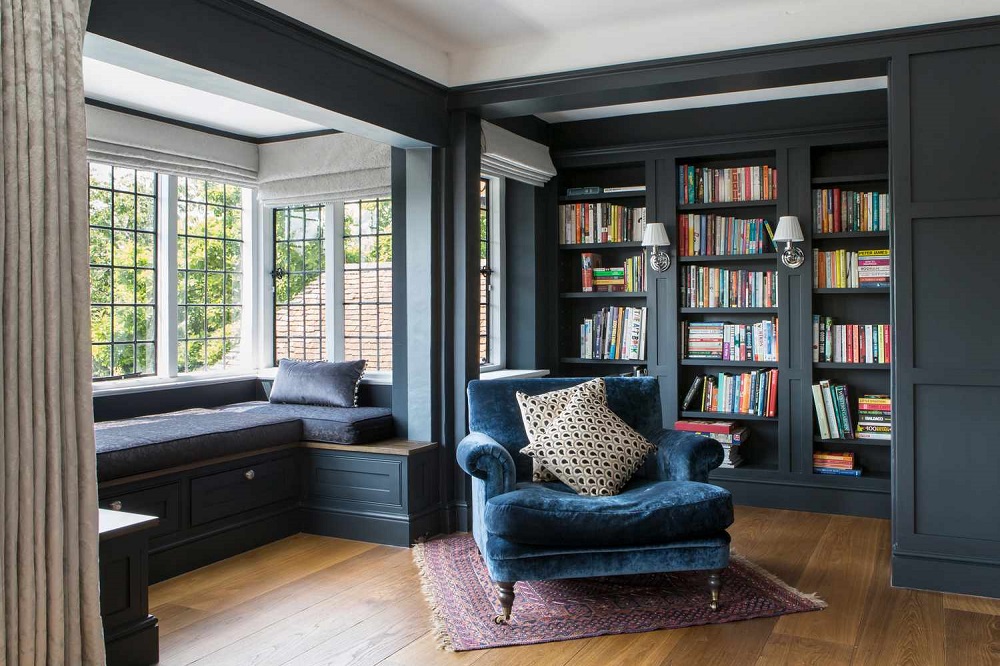
Incorporate your actual life activities directly into your visual environment. A passionate home cook might display heirloom copper cookware, artisanal spice jars, and open wooden shelving. A musician can mount instruments on the wall as functional art. An avid reader can make towering, double-stacked bookshelves the focal anchor of the living room rather than hiding books away in closed storage.
Reflect on Environments That Inspire You
Consider places where you feel most energized or at peace. Are you drawn to rustic mountain cabins, modern art galleries, sun-drenched coastal towns, or bustling vintage markets? Identify the core sensory elements of those environments, such as weathered wood, clean white walls, warm terracotta tiles, or patinated brass, and translate them into your home.
Translating Personality Traits into Interior Choices
Human personalities are nuanced, and different temperaments thrive in distinct visual environments. Connecting your natural personality traits to specific design choices helps bring balance to your living space.
| Personality Trait | Recommended Design Directions | Key Decorative Elements |
| Introverted and Reflective | Cozy nooks, soft acoustic materials, muted tones | Heavy drapes, layered wool rugs, warm task lighting |
| Extroverted and Social | Open conversational seating, vibrant focal points | Modular sectional sofas, bar carts, bold accent walls |
| Analytical and Structured | Clean lines, concealed storage, symmetry | Built-in cabinetry, geometric forms, monochromatic palettes |
| Creative and Spontaneous | Eclectic mixes, open display ledges, rich textures | Gallery walls, mismatched vintage chairs, bold art pieces |
Layering Elements to Tell Your Story
A personalized room is built over time through deliberate layering. Relying on matching furniture sets straight from a single retailer flattens a room character. True personality emerges from contrast, texture, and historical depth.
Mixing High and Low, Old and New
Pairing modern, clean-lined pieces with vintage or antique finds creates character that cannot be replicated. A sleek, contemporary sofa paired with a weathered mid-century coffee table and an antique brass floor lamp immediately feels collected rather than bought in one afternoon. Older pieces bring history, patina, and tactile warmth that ground newly manufactured items.
Crafting Meaningful Gallery Walls
Skip mass-produced, generic framed prints and build a gallery wall filled with genuine personal artifacts. Frame vintage postcards from places you have visited, concert posters, botanical pressings, your own photography, or architectural blueprints of meaningful buildings. Vary the frame finishes, matting widths, and artwork sizes to produce a layered, lived-in feel.
Embracing Tactile Texture
Color captures the eye, but texture engages the sense of touch. If you love physical coziness, incorporate chunky wool throws, velvet cushions, raw linen drapery, and natural sheepskin rugs. If you prefer sleek modernism, balance smooth polished concrete and matte metals with rich walnut wood grains to prevent the space from feeling cold.
Practical Steps to Avoid Trend Traps
Current interior design trends spread across digital platforms at breakneck speed. While trends can provide initial inspiration, adopting them without personal reflection results in spaces that feel dated within a few seasons.
-
Apply the Seventy-Thirty Rule: Dedicate seventy percent of your room foundation to timeless, deeply personal pieces that you adore regardless of current fashions. Reserve the remaining thirty percent for affordable, easily swapped trendy accents like accent pillows, candles, or small vases.
-
Wait Before Buying: When an item goes viral online, implement a thirty-day waiting period before purchasing. If you still love the piece after the initial hype cools down, it likely aligns with your authentic taste.
-
Prioritize Function Over Staged Looks: Never sacrifice how you actually live for the sake of a pristine photo. If you love eating on the sofa while watching movies, choose durable, stain-resistant fabrics and practical nesting tables over fragile marble surfaces.
-
Edit and Curate Regularly: Reflecting your personality does not mean keeping every item you have ever acquired. Periodically clear out clutter that no longer serves your lifestyle to let your favorite, most meaningful pieces shine.
Frequently Asked Questions
How can couples or roommates with completely opposite design tastes blend their personalities in a shared space?
Start by finding common ground in neutral base elements, such as wall paint, major seating upholstery, and large area rugs. From there, give each person dedicated zones or equal representation within shared displays. Use bridge elements like mixed-metal accents, varied frame styles on a combined gallery wall, or balanced throw textiles to harmonize contrasting styles without either person feeling erased.
What is the best way to personalize a rental home without violating lease restrictions?
Renters can make a substantial visual impact using non-permanent upgrades. Swap out standard builder-grade light fixtures with statement pendants and store the originals safely for move-out day. Use peel-and-stick wallpaper on accent walls, display large-scale unframed textile tapestries, use freestanding bookcases, and layer large area rugs over bland wall-to-wall carpeting.
How do you balance a strong personal style with keeping a space functional for young children or pets?
Opt for performance fabrics such as crypton or commercial-grade velvet that resist liquid stains, claws, and heavy wear while maintaining rich color and tactile elegance. Incorporate beautiful closed storage, like woven rattan baskets or vintage wooden credenzas, to quickly tuck away toys and pet accessories without compromising the overall aesthetic.
How can an individual on a tight budget create a personalized home decor scheme?
Personalized design thrives on budget-friendly creativity. Explore local thrift stores, estate sales, and community swap groups for unique, well-made solid wood furniture that can be cleaned, sanded, or repainted. Framing personal photographs, displaying collected rocks or seashells in glass bowls, and propagating your own houseplants are virtually cost-free ways to introduce life and personal history into a room.
How do you prevent an eclectic, personality-filled room from looking cluttered and messy?
Maintain cohesion through a defined color palette of three to five coordinating shades across walls, textiles, and major accents. Group smaller decorative objects in odd-numbered clusters on trays or books rather than scattering them evenly across every flat surface. Leave intentional negative space on walls and tabletops so the eye has room to rest between statement pieces.
What should you do with inherited heirlooms that hold sentimental value but clash with your style?
You do not have to display every heirloom in plain view. Consider repurposing them to fit your home aesthetic. A vintage floral teapot can become a chic plant planter, an antique ornate mirror frame can be repainted a matte modern shade, or heirloom vintage quilts can be folded and stored neatly in a rustic glass cabinet. If a piece simply cannot work, take a high-quality photograph of it to preserve the memory, and pass the item along to another family member.
How often should someone update or rearrange their home decor?
There is no rigid timetable. Many people find that rotating small accents, swapping artwork between rooms, or rearranging furniture layouts seasonally refreshes their connection to their space without requiring new purchases. Update major elements only when your daily lifestyle needs shift or when your personal taste naturally evolves.