In the realm of interior design, the way a space is curated can significantly impact not just aesthetics, but also mood, productivity, and even social dynamics. Effective décor goes beyond simply arranging furniture; it’s a careful balance of color, texture, light, and function, harmonized to create a living environment that resonates with personal style and practical needs. These décor tips will help you elevate your space, turning ordinary rooms into extraordinary experiences.
Understanding the Power of Color in Interior Design
Color plays a pivotal role in influencing perception and emotion within a room. Choosing the right palette is essential for establishing the desired ambiance.
Strategic Use of Neutral Tones
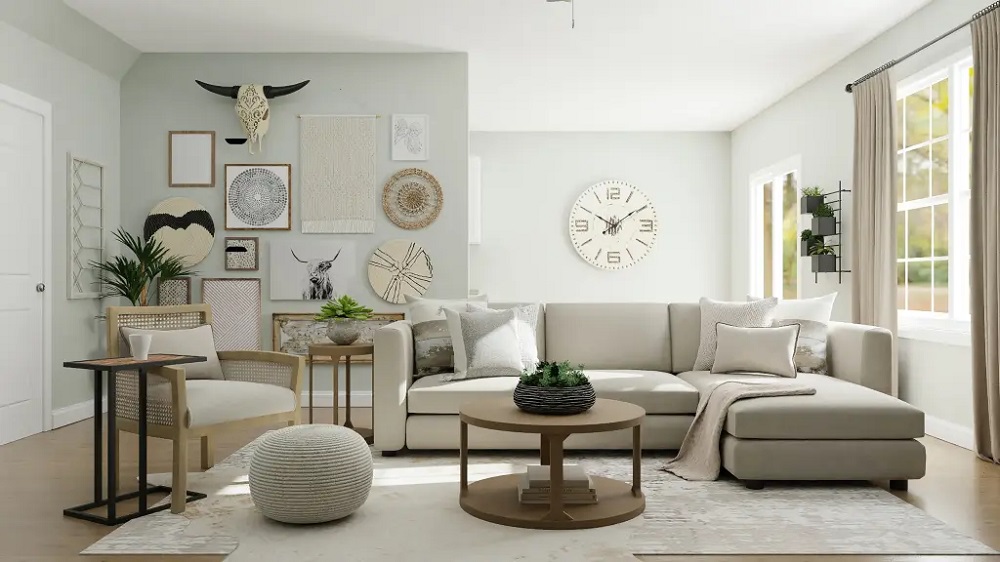
Neutral colors such as beige, gray, and cream create a versatile backdrop that allows furniture, art, and accessories to shine. They also enhance natural light, making rooms appear larger and more inviting. For a sophisticated look:
- Pair warm neutrals with textured elements like wool rugs or linen cushions.
- Use cool neutrals alongside sleek metals and glass for a modern, minimalist effect.
Bold Accents for Personality
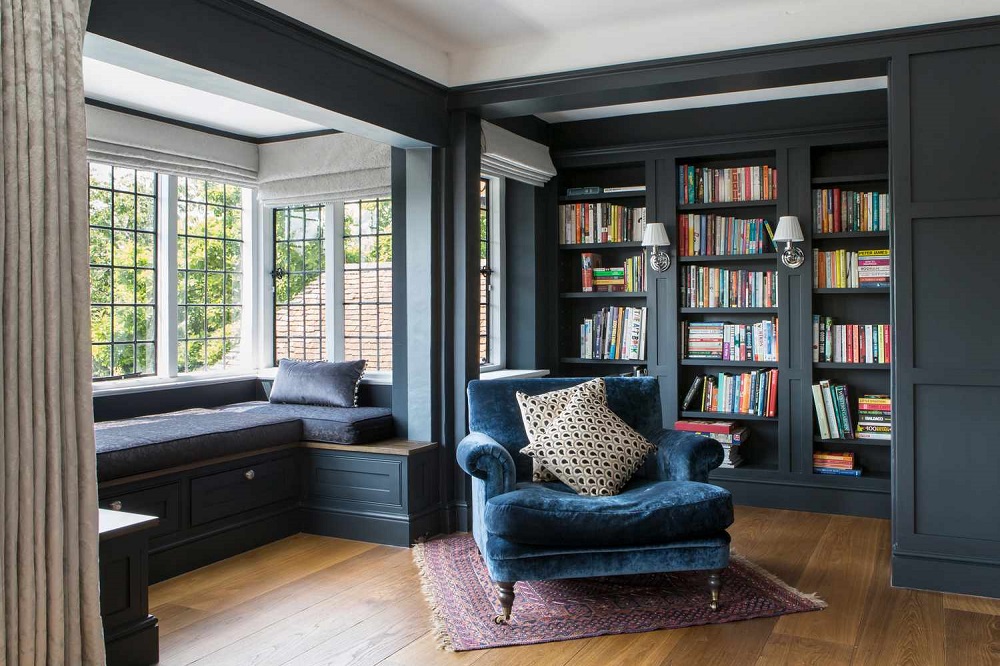
While neutral palettes provide balance, incorporating bold accent colors introduces energy and personality. Accent walls, vibrant furniture, or even statement décor pieces like a red velvet chair or a cobalt blue lamp can transform a room dramatically without overwhelming the senses.
Harmonizing with Color Psychology
Color psychology can guide your choices:
- Blue: Encourages calmness and focus, perfect for bedrooms or offices.
- Green: Promotes relaxation and connection with nature, ideal for living rooms.
- Yellow: Inspires energy and creativity, suitable for kitchens or studios.
Mastering Layout and Spatial Planning
A well-thought-out layout is crucial for functional and aesthetically pleasing interiors. Cluttered or poorly arranged furniture can disrupt flow, even if the individual pieces are beautiful.
Zoning for Multi-Functional Spaces
Modern homes often blend living, working, and entertaining areas. Create zones using:
- Area rugs to define different functions in an open-plan living space.
- Furniture placement to subtly separate seating areas from workspaces.
- Lighting differentiation to establish mood and activity-specific focus.
Prioritizing Movement and Flow
Ensure at least 3 feet of walking space between major furniture pieces. Consider triangular layouts for seating arrangements, which encourage conversation and visual balance.
Choosing Scaled Furniture
Oversized furniture in small rooms can overwhelm, while undersized furniture in larger rooms can feel sparse. Measure spaces carefully and select pieces that complement both room dimensions and human ergonomics.
Elevating Décor with Texture and Material Contrast
Texture adds depth and tactile interest to interiors. A room dominated by a single material can feel flat and uninspiring.
Layering Textures
Combine different textures to create visual richness:
- Mix soft textiles like velvet and faux fur with hard surfaces such as marble or wood.
- Incorporate woven baskets, ceramic vases, or metal sculptures to diversify tactile experience.
Material Contrast
Contrasting materials can make spaces more dynamic:
- Polished concrete floors with soft area rugs.
- Glass tables paired with wooden chairs.
- Matte finishes alongside glossy décor elements for reflective interest.
Natural Elements
Integrating natural materials—wood, stone, and plant life—enhances warmth and authenticity in interiors. Plants, in particular, improve air quality while adding color and life.
Lighting as a Core Design Element
Lighting shapes both the look and function of a room. It can make a small space appear expansive or highlight art and architectural features.
Layered Lighting
A combination of ambient, task, and accent lighting ensures versatility:
- Ambient lighting: Ceiling fixtures or wall-mounted sconces for general illumination.
- Task lighting: Desk lamps, under-cabinet lighting, or reading lights for functional purposes.
- Accent lighting: Spotlights on artwork or shelves to draw attention to specific elements.
Natural Light Optimization
Maximize daylight through strategic window treatments and reflective surfaces:
- Sheer curtains allow light in while maintaining privacy.
- Mirrors placed opposite windows amplify natural illumination.
Color Temperature Considerations
Warm light (2700K–3000K) creates cozy, inviting environments, ideal for bedrooms and lounges. Cooler light (4000K–5000K) promotes alertness, better suited for workspaces or kitchens.
Artful Accessorizing and Statement Pieces
Accessories are often underestimated, but they can redefine a space’s character.
Choosing the Right Artwork
Art adds narrative and focal points:
- Select pieces that resonate with your personal taste and room’s color palette.
- Large canvases can anchor living areas, while smaller collections provide intimacy in bedrooms or hallways.
Decorative Objects
Curate objects with intention:
- Sculptures, vases, or books that reflect personality.
- Avoid overcrowding; negative space enhances visual appeal.
Functional Décor
Incorporate décor elements that are both beautiful and useful:
- Stylish trays or bowls for organization.
- Designer lighting fixtures that double as art.
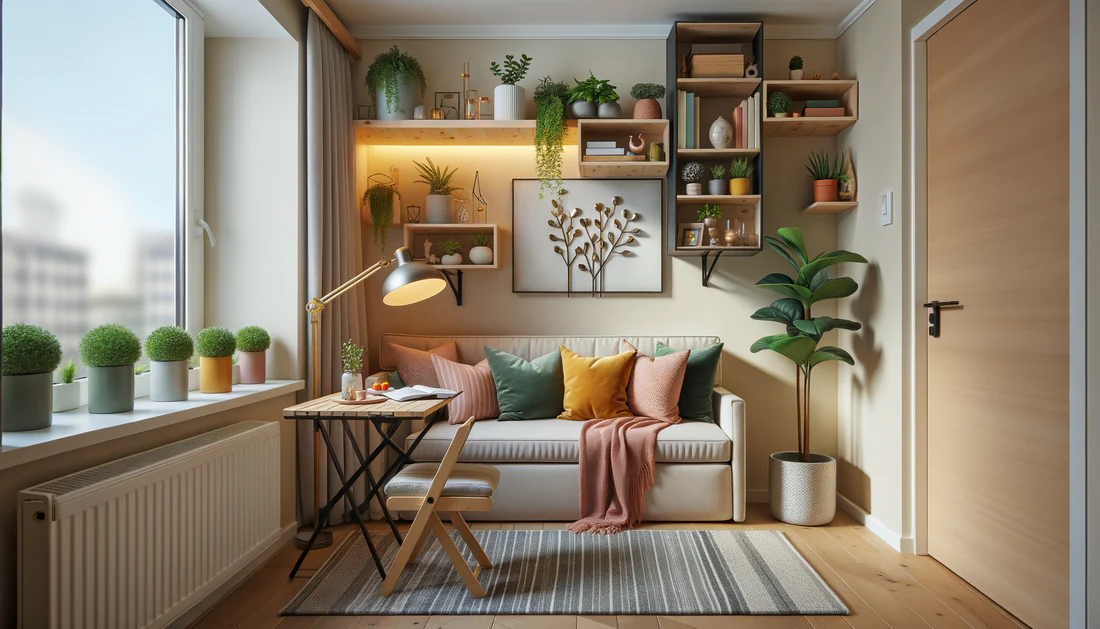
- Custom shelving that serves storage and aesthetic purposes simultaneously.
Harmonizing Patterns and Prints
Patterns inject vibrancy but require careful balancing. Overuse can make a space chaotic, while underuse may feel flat.
Layering Prints Strategically
- Combine small-scale patterns with larger motifs to create harmony.
- Stick to a unified color palette to prevent visual overload.
Mixing Geometric and Organic Shapes
Geometric patterns on cushions or rugs paired with organic forms like botanical prints can maintain a contemporary yet natural aesthetic.
Incorporating Technology Seamlessly
Modern décor is increasingly intertwined with technology, and integrating it gracefully is key to maintaining sophistication.
Smart Lighting and Climate Control
Automated lighting systems, smart thermostats, and voice-activated assistants enhance convenience while supporting a sleek, uncluttered look.
Hidden Wiring and Devices
Keep cables concealed to maintain a clean aesthetic. Furniture with built-in charging stations or media consoles with cable management achieves functionality without compromising design.
Multi-Functional Smart Furniture
Innovative pieces, like beds with storage, adjustable desks, or modular sofas, adapt to changing needs without disrupting room aesthetics.
Seasonal and Rotational Décor
Adapting décor to seasons can keep interiors fresh and inviting:
- Swap cushion covers, throws, and rugs to reflect seasonal colors.
- Introduce plants or floral arrangements to signify different seasons.
- Adjust lighting intensity and warmth to complement natural light changes.
Sustainability and Ethical Design Choices
Eco-conscious design is not only responsible but also adds a unique dimension to your space.
Using Sustainable Materials
Opt for reclaimed wood, bamboo, or recycled metals to reduce environmental impact.
Supporting Local Artisans
Incorporating handmade or locally produced items adds authenticity and supports community economies.
Energy-Efficient Solutions
LED lighting, energy-efficient appliances, and low-VOC paints contribute to a healthier and sustainable living environment.
FAQs About Advanced Décor Tips
Q1: How can I make a small room appear larger without major renovations?
A: Use light, neutral colors on walls and floors, strategically place mirrors to reflect light, and select furniture scaled to the room. Declutter and use multifunctional pieces to enhance flow.
Q2: What are the best ways to mix patterns without creating visual chaos?
A: Stick to a cohesive color palette, balance large-scale patterns with smaller ones, and alternate geometric and organic forms for a harmonious composition.
Q3: How important is lighting in defining room ambiance?
A: Extremely important. Layered lighting with ambient, task, and accent elements allows control over mood and functionality, while natural light optimization enhances space perception.
Q4: Can technology integrate seamlessly into décor without compromising style?
A: Absolutely. Smart lighting, climate control, hidden wiring, and multi-functional furniture allow for modern convenience while maintaining a clean, sophisticated aesthetic.
Q5: How do I incorporate sustainability into home décor effectively?
A: Choose eco-friendly materials, support local artisans, and prioritize energy-efficient solutions. Small changes like using low-VOC paints or reclaimed furniture can make a significant impact.
Q6: What strategies help balance aesthetics with functionality in living spaces?
A: Focus on furniture scaling, zone creation, thoughtful storage solutions, and layered textures. Every décor element should serve either a visual or practical purpose.
Integrating these advanced décor tips will elevate any living environment, creating spaces that are visually stunning, functional, and emotionally resonant. By combining strategic color use, thoughtful layout, layered textures, intentional lighting, and smart technology, you can transform your home into a sanctuary that reflects personal taste while supporting lifestyle needs.
This approach ensures every room feels intentional, inviting, and sophisticated, setting a standard for modern living that goes far beyond superficial decoration.