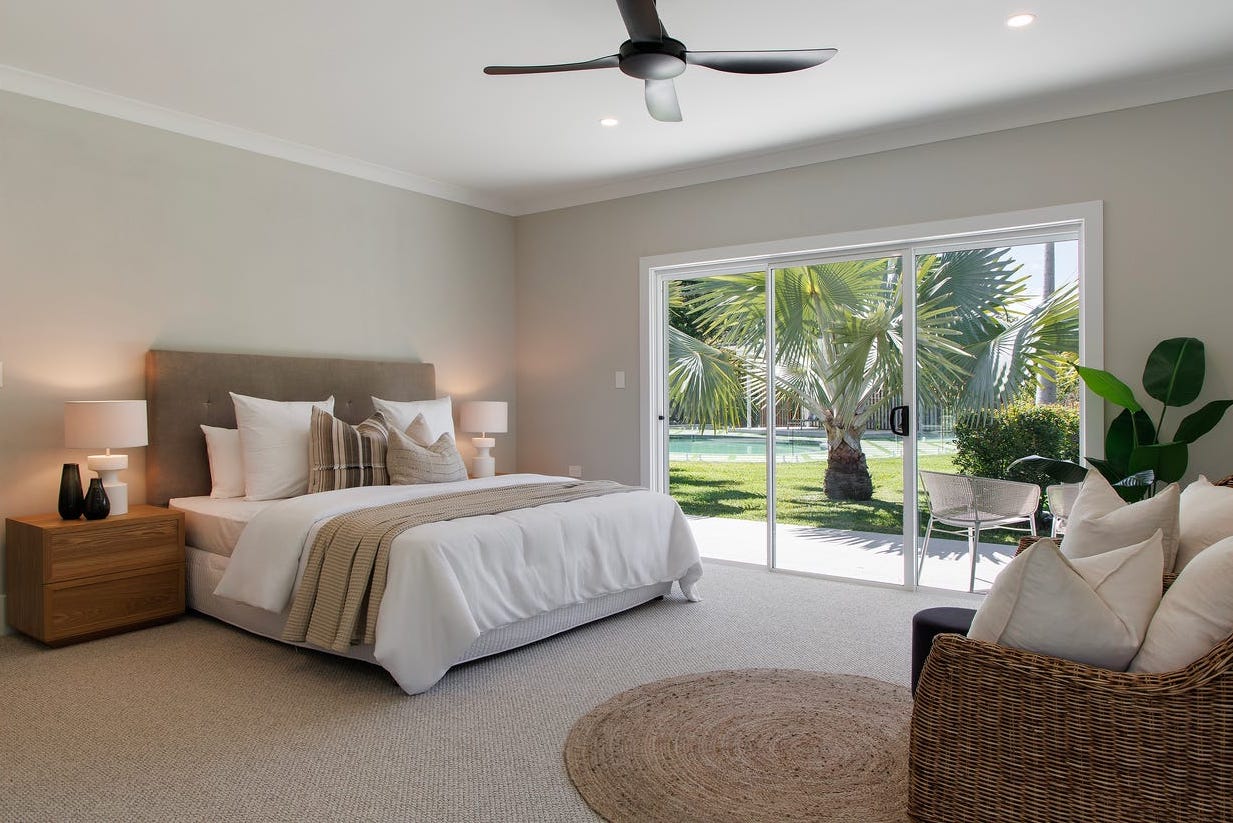
The modern bedroom has evolved beyond a simple place to sleep. In an age characterized by constant digital connectivity, demanding schedules, and daily pressures, the bedroom serves as an essential personal sanctuary. Homeowners and renters alike seek to transform their sleeping quarters into restorative retreats that promote calm, deep rest, and mental clarity.
Achieving this balance requires an intentional approach to furniture selection. Modern interior trends move away from rigid, overly formal matching sets in favor of organic textures, functional minimalism, ergonomic support, and soft, cocooning silhouettes. By understanding the core furniture movements shaping tranquil bedroom spaces, you can create a personalized environment tailored to relaxation and well-being.
The Shift Away from Rigid Matching Suites
For decades, standard furniture retail centered on five-piece matching suites, consisting of an identical bed frame, two matching nightstands, a tall dresser, and a wide mirror. While this approach provided simple symmetry, it frequently created sterile, catalog-like rooms that felt uninspired.
Current trends prioritize curated eclecticism. Combining complementary furniture pieces constructed from varied materials, contrasting textures, and distinct eras produces a grounded, organic atmosphere. This design philosophy allows the bedroom to feel collected over time rather than purchased in a single transaction, imparting character and visual warmth that supports a calm mental state.
Curved Profiles and Soft Silhouettes
Hard lines and sharp angles can make an interior feel severe and transactional. In contrast, curvilinear design elements mimic natural forms, easing visual tension and creating a gentle sensory flow across the room.
-
Curved Upholstered Headboards: Arched, scalloped, and wave-like headboard profiles wrap around the sleeper, providing a subtle cocooning effect that softens the perimeter of the bed.
-
Rounded Nightstands and Dressers: Bedside tables with cylindrical bases or waterfall edges eliminate sharp corners, reducing physical hazards in dark rooms while introducing gentle geometry.
-
Organic Accent Seating: Curved bouclé lounge chairs or rounded bedroom benches at the foot of the bed offer comfortable reading perches that break up boxy architectural lines.
Natural Materials and Biophilic Elements
Biophilic interior design emphasizes human connection to nature, a concept proven to lower heart rates, reduce cortisol levels, and support restorative sleep cycles. Bedroom furniture trends heavily reflect this principle through the use of tactile, earth-derived materials.
Warm and Light-Toned Hardwoods
Dark, heavy stains are taking a backseat to lighter, warm-toned woods such as white oak, ash, birch, and natural walnut. These species feature prominent grain patterns and subtle imperfections that celebrate organic texture. Floating nightstands, slatted wood bed frames, and low-profile dressers in natural finishes bring an earthy grounding to the room.
Woven Textures: Rattan, Cane, and Rush
Woven materials introduce ventilation, lightness, and depth without overwhelming small spaces. Wardrobe doors with woven cane inserts, bedside tables with rush-wrapped drawers, and headboards featuring natural rattan accents soften heavier wooden structures while maintaining durability.
Earth-Grounded Stone and Ceramic Accents
Small accent tables crafted from honed travertine, matte sandstone, or terracotta serve as tactile bedside pedestals. These cool, unpolished mineral surfaces introduce subtle geological contrast alongside plush bedding and warm wood tones.
Statement Beds That Anchor the Space
The bed remains the focal anchor of any bedroom layout. Current furniture trends emphasize beds that balance structural presence with understated elegance.
| Bed Style | Key Structural Features | Primary Atmospheric Benefit |
| Low-Profile Platform | Grounded base, minimal clearance, clean horizontal lines | Expands vertical visual space, creates Zen-like simplicity |
| Fully Upholstered Frame | Padded rails, tactile fabric wraps, plush headboard | Dampens room acoustics, enhances physical coziness |
| Minimalist Four-Poster | Slim blackened iron or raw timber frames, open top | Adds architectural height without visual clutter |
| Floating Bed Frame | Hidden recessed central legs, optional under-rail lighting | Imparts an airy, weightless aesthetic |
Low-Profile Platform Beds
Drawing inspiration from Japanese aesthetic traditions, low-slung platform beds sit close to the floor. By lowering the center of gravity, these frames maximize open wall space, making ceilings feel higher and rooms noticeably more expansive. Many designs feature integrated wide ledger rails that double as low bedside ledges for books and lighting.
Tactile Upholstered Bedsteads
Fully upholstered frames wrapped in performance linen, velvet, or textured wool absorb ambient sound, creating a quieter acoustic environment conducive to deep sleep. Channel tufting, soft fluting, and generous cushioning make sitting up in bed to read or meditate a luxurious, supportive experience.
Integrated and Concealed Multi-Functional Storage
Physical clutter directly contributes to cognitive overload and restlessness. Modern bedroom furniture designs integrate concealed storage to keep essential items accessible while hiding daily necessities from sight.
-
Lift-Up Hydraulic Storage Beds: Modern gas-lift mechanisms allow users to effortlessly raise the mattress foundation, revealing vast, dust-free under-bed storage for seasonal bedding, spare pillows, and winter garments.
-
Recessed and Integrated Charging Drawers: Nightstands now frequently incorporate hidden cable channels, interior power strips, and felt-lined charging trays inside top drawers, eliminating messy cords that disrupt bedside tranquility.
-
Freestanding Armoires with Tailored Interiors: Large freestanding wardrobes featuring interior modular drawers, hanging rods, and integrated soft-close compartments provide dedicated storage for clothing, maintaining a calm, minimalist exterior.
The Rise of Dedicated Relaxation Corners
Rather than using the bedroom solely for sleep, modern layouts incorporate secondary functional zones dedicated to quiet relaxation, journaling, or mindfulness.
A plush swivel armchair tucked beside a window niche, accompanied by a small cantilevered side table and a directional reading lamp, creates a dedicated daytime retreat. Incorporating a low storage credenza to house aromatherapy diffusers, meditation cushions, or audio equipment establishes a clear physical boundary between active daytime living and restorative downtime.
Sustainable and Non-Toxic Craftsmanship
A truly relaxing retreat must support physical health alongside visual beauty. Consumers increasingly prioritize furniture built from sustainable, non-toxic materials that protect indoor air quality.
Solid wood construction certified by responsible forestry programs ensures longevity while eliminating the synthetic resins and volatile organic compounds found in cheap particleboard. Upholstery certified by third-party textile standards guarantees that fabrics are free from harmful flame retardants, PFAS coatings, and formaldehyde, ensuring clean indoor air throughout the night.
Frequently Asked Questions
What is the recommended clearance space around a bedroom bed frame for comfortable movement?
Interior design standards recommend maintaining at least thirty to thirty-six inches of open clearance on both sides and at the foot of the bed. This pathway allows for natural, unhindered movement, easy bed-making, and sufficient clearance to open wardrobe doors or dresser drawers without creating a cramped, stressful environment.
How do you choose the correct nightstand height relative to the mattress?
The top surface of your nightstand should sit level with or two to three inches above the top of your mattress. A bedside table that sits significantly lower or higher makes reaching for a water glass, lamp switch, or book awkward and increases the risk of spilling items in the dark.
Are fully upholstered beds difficult to clean and maintain over time?
Modern upholstered beds constructed with commercial-grade performance fabrics, tightly woven linens, or treated velvets resist liquid absorption and staining remarkably well. Regular light vacuuming with an upholstery brush attachment removes dust, while gentle spot cleaning with water and mild dish soap handles minor spills effectively.
How can someone with a very small bedroom incorporate modern furniture trends without overcrowding?
In compact spaces, prioritize verticality, multi-functional pieces, and leggy furniture profiles that reveal floor area underneath. Select a floating platform bed with built-in wall-mounted nightstand ledges, choose a tall and narrow dresser instead of a wide double-dresser, and use wall sconces instead of table lamps to preserve flat surface space.
Which wood finishes blend best when mixing different furniture pieces in the same bedroom?
To successfully mix wood tones, identify the underlying undertone of your primary furniture piece, whether it is warm, cool, or neutral. You can pair light white oak with deeper walnut as long as the finishes share a similar low-sheen or matte texture. Avoid mixing more than two to three distinct wood finishes in one room to maintain visual harmony.
What are the main differences between a standard platform bed and a traditional box spring setup?
A platform bed utilizes a built-in wooden slat system or solid deck to support the mattress directly, eliminating the need for a separate, bulky box spring foundation. This construction creates a sleeker, lower-profile silhouette, improves mattress airflow, and often costs less than buying a traditional two-piece foundation system.
How does bedroom furniture layout impact natural airflow and ambient temperature?
Placing large solid dressers or high headboards directly in front of return vents, air conditioning units, or baseboard heaters obstructs air circulation, leading to uneven room temperatures and stagnant air. Keeping vents clear and choosing furniture with raised legs allows air to circulate freely beneath and around pieces, maintaining the cool environment necessary for quality sleep.