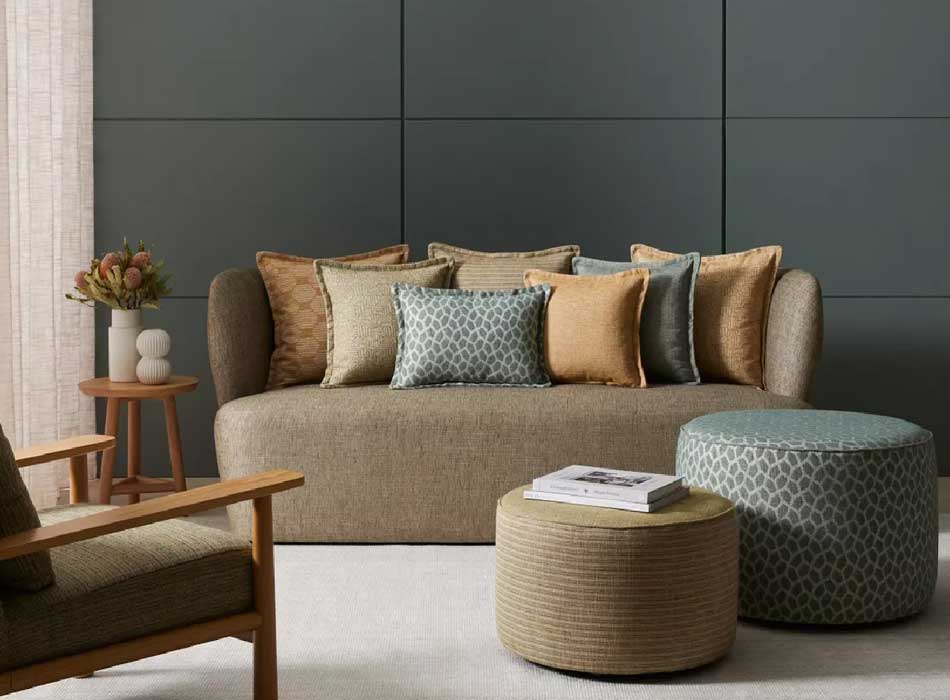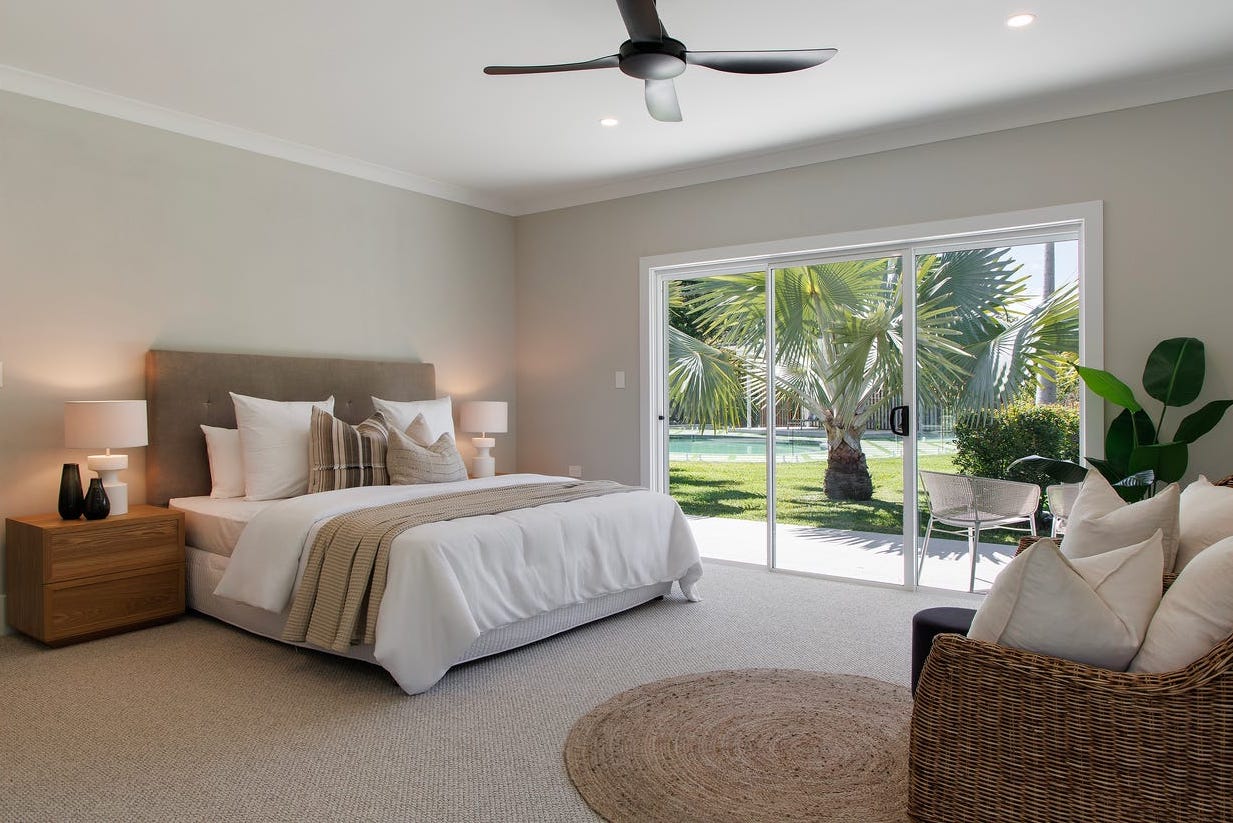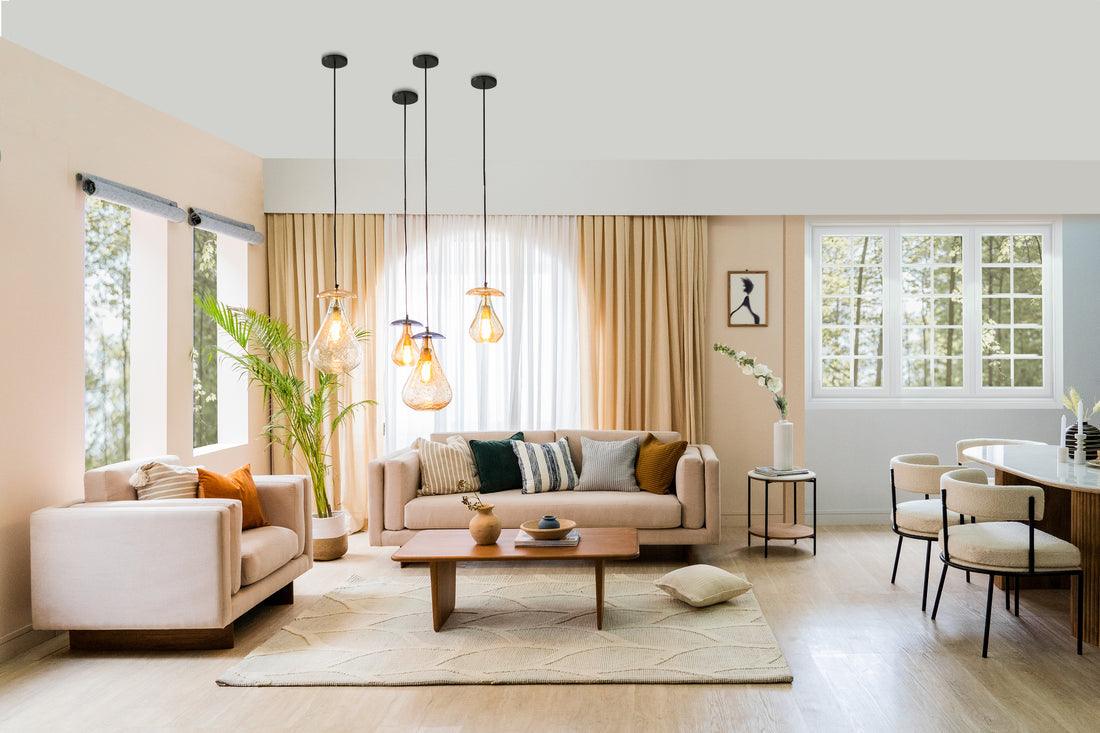
Furniture is an essential component of our living and working environments, shaping both aesthetics and functionality. From ancient handcrafted pieces to contemporary, ergonomically designed solutions, furniture has continuously evolved to meet human needs, lifestyle changes, and technological advancements. This article delves into the multifaceted world of furniture, examining its history, types, materials, design philosophies, and the role it plays in creating comfortable, efficient, and stylish spaces.
Understanding the Significance of Furniture
Furniture is more than just utilitarian objects; it reflects cultural values, social status, and personal taste. Historically, furniture served both functional and symbolic purposes. In ancient civilizations, elaborate furniture designs often indicated wealth and power, whereas simpler, practical pieces catered to everyday life. Today, furniture continues to serve multiple purposes:
- Functional Efficiency: Chairs, tables, storage units, and beds are designed to meet daily human activities efficiently.
- Aesthetic Appeal: Modern interior design heavily relies on furniture to define the ambiance, mood, and style of a space.
- Ergonomics and Comfort: Ergonomically designed furniture supports physical health, enhancing posture and reducing strain.
- Sustainability and Innovation: Contemporary furniture trends focus on eco-friendly materials and innovative designs that reduce environmental impact.
Historical Evolution of Furniture
The evolution of furniture spans thousands of years, each era leaving a distinct imprint on design, craftsmanship, and material usage.
Ancient Civilizations
- Egyptian Furniture: Egyptians valued ornamental and symbolic designs. Chairs and beds often featured gilded wood and intricate carvings.
- Greek and Roman Designs: Emphasis was placed on symmetry, proportion, and luxurious materials like marble and bronze.
- Asian Influence: In China and Japan, furniture emphasized simplicity, minimalism, and harmony with nature.
Medieval and Renaissance Periods
Furniture during the Medieval era was primarily functional, with heavy wooden pieces. The Renaissance period introduced more artistic designs, incorporating detailed carvings, upholstery, and intricate joinery techniques.
Industrial Revolution and Modern Era
The Industrial Revolution democratized furniture production. Mass production allowed wider access to various furniture types while maintaining quality. In the 20th century, modernism introduced clean lines, minimalist forms, and innovative materials like steel, glass, and plastics.
Types of Furniture
Furniture can be categorized based on function, design, or material. Each type serves specific needs while contributing to the overall aesthetic of a space.
Residential Furniture
Residential furniture focuses on comfort, usability, and style within homes.
- Living Room: Sofas, armchairs, coffee tables, entertainment units, and shelving.
- Bedroom: Beds, nightstands, wardrobes, dressers, and seating.
- Dining Room: Dining tables, chairs, sideboards, and buffet units.
- Home Office: Desks, ergonomic chairs, filing cabinets, and storage solutions.
Commercial Furniture
Commercial furniture prioritizes durability, functionality, and professional appeal. Examples include:
- Office desks and chairs designed for ergonomic efficiency
- Reception area furniture such as lounges and coffee tables
- Conference and meeting room tables with integrated cable management
- Hospitality furniture including hotel beds, restaurant seating, and modular lounge setups
Outdoor Furniture
Outdoor furniture emphasizes weather resistance, durability, and comfort. Popular options include:
- Patio sets made from teak, aluminum, or synthetic rattan
- Outdoor loungers and hammocks
- Garden benches and tables with corrosion-resistant coatings
Materials and Craftsmanship
The choice of material significantly affects furniture durability, style, and functionality.
Wood
Wood remains a classic furniture material due to its strength, versatility, and aesthetic appeal. Popular types include oak, walnut, teak, and maple. Wood furniture may feature:
- Solid wood construction for longevity
- Veneer finishes for cost-effective aesthetics
- Carved detailing reflecting craftsmanship
Metal
Metal furniture provides industrial strength, modern appeal, and sleek designs. Common metals used include:
- Steel for structural components and office furniture
- Aluminum for lightweight, corrosion-resistant outdoor furniture
- Iron for traditional and ornate designs
Glass and Acrylic
Glass and acrylic materials contribute to minimalist and contemporary designs. Common applications include:
- Coffee tables and dining surfaces
- Shelving units and decorative display cabinets
- Desk tops for office and home study areas
Upholstery and Fabrics
Upholstered furniture prioritizes comfort and texture. Choices include:
- Leather: Durable, luxurious, and easy to maintain
- Fabric: Offers a variety of colors, patterns, and tactile experiences
- Microfiber: Resistant to stains, affordable, and soft to touch
Innovative Materials
Sustainability and modern design drive the use of innovative materials such as:
- Bamboo: Fast-growing, renewable, and lightweight
- Recycled plastics: Durable and eco-friendly
- Engineered wood: Combines wood fibers with resins for stability and sustainability
Furniture Design Principles
Effective furniture design balances aesthetics, functionality, and ergonomics. Key principles include:
- Form and Function: Every piece should serve its intended purpose without compromising style.
- Ergonomics: Chairs, desks, and beds should promote comfort and physical well-being.
- Space Optimization: Multi-functional and modular furniture maximizes space efficiency in small apartments or offices.
- Sustainability: Designers increasingly prioritize environmentally friendly materials, low-impact manufacturing, and recyclable components.
- Aesthetic Cohesion: Furniture should harmonize with interior design themes, color palettes, and textures.
Trends in Contemporary Furniture Design
- Minimalist and Scandinavian-inspired furniture with clean lines and natural materials
- Smart furniture integrated with technology, including charging stations, adjustable desks, and multifunctional storage
- Customizable modular furniture allowing adaptability to changing needs
- Vintage-inspired pieces blending classic craftsmanship with modern materials
Furniture Placement and Interior Impact
Correct furniture placement is critical for optimizing space, promoting comfort, and enhancing aesthetic appeal.
- Living Room: Sofas facing focal points such as fireplaces or entertainment centers create social and functional zones
- Bedroom: Beds positioned for natural light access and optimal movement around the room
- Dining Area: Tables placed centrally with adequate circulation space
- Home Office: Desks aligned with natural light sources, with ergonomic chairs and storage within reach
Maintenance and Longevity
Proper care extends furniture life and preserves its appearance:
- Wood: Regular polishing, avoiding direct sunlight, and controlling humidity
- Metal: Preventing rust, cleaning with mild detergents, and applying protective coatings
- Upholstery: Vacuuming, spot-cleaning spills promptly, and rotating cushions to avoid uneven wear
- Outdoor Furniture: Using covers, cleaning after exposure to elements, and periodic treatment with weatherproof coatings
Furniture and Lifestyle Integration
Furniture is deeply intertwined with lifestyle, reflecting personal values, habits, and needs:
- Minimalist Lifestyle: Prioritizes essential, multi-functional furniture that reduces clutter
- Luxury Living: Emphasizes high-end materials, bespoke designs, and aesthetic prominence
- Work-from-Home Trends: Demand for ergonomic home office furniture has surged, highlighting the need for functional yet stylish setups
- Sustainable Living: Increased interest in eco-friendly furniture made from renewable or recycled materials
FAQs About Furniture
Q1: What is the most durable material for furniture?
A1: Solid hardwoods like oak, teak, and walnut are considered the most durable for long-lasting furniture. Metal frames, especially steel, also provide excellent durability for both indoor and outdoor furniture.
Q2: How can I choose furniture that complements my interior design?
A2: Consider the room’s color palette, existing decor style, and functional needs. Match materials, textures, and scale to create a cohesive and balanced environment.
Q3: What are the benefits of ergonomic furniture?
A3: Ergonomic furniture supports proper posture, reduces back and neck strain, enhances comfort, and increases productivity in work environments.
Q4: How do I maintain upholstered furniture?
A4: Regular vacuuming, spot cleaning spills promptly, using fabric protectors, and rotating cushions can extend the life and appearance of upholstered furniture.
Q5: Are eco-friendly furniture options effective and stylish?
A5: Yes, furniture made from sustainable materials such as bamboo, recycled wood, and recycled plastics combines durability with contemporary aesthetics, promoting environmental responsibility without sacrificing style.
Q6: Can modular furniture improve space efficiency?
A6: Absolutely. Modular furniture allows customization, multi-functionality, and efficient use of limited space, making it ideal for apartments, offices, and multi-purpose rooms.
Q7: How do I select furniture for outdoor use?
A7: Choose weather-resistant materials such as treated wood, aluminum, synthetic rattan, or coated metals. Consider lightweight designs for flexibility and comfort-oriented features like cushions and adjustable seating.
Furniture is not merely an arrangement of objects; it is an intersection of design, functionality, lifestyle, and sustainability. Understanding the materials, design principles, placement strategies, and maintenance techniques allows individuals to curate spaces that are comfortable, efficient, and visually appealing. As trends evolve and technology integrates into furniture, the possibilities for innovative, functional, and sustainable designs continue to expand, shaping how we live, work, and interact with our environments.