Plumbing is often overlooked until a leak or blockage disrupts daily life, yet it is one of the most critical components of modern infrastructure. From residential homes to massive commercial complexes, plumbing systems ensure clean water supply, efficient waste management, and proper sanitation. Understanding the complexities of plumbing, its technologies, and maintenance strategies is essential for homeowners, builders, and facility managers alike. This article dives deeply into the world of plumbing, highlighting its significance, system types, installation techniques, common issues, and advanced solutions.
Understanding Plumbing Systems
Plumbing encompasses a network of pipes, fixtures, and valves that manage the flow of water, gas, and waste. It is divided broadly into two categories: supply plumbing and drainage plumbing. Supply plumbing carries potable water into homes and buildings, while drainage plumbing removes wastewater safely and efficiently.
Water Supply Systems
Water supply systems are designed to provide a reliable and safe flow of water. These systems include:
- Piping Materials: Modern plumbing uses a variety of materials such as copper, PEX (cross-linked polyethylene), CPVC (chlorinated polyvinyl chloride), and galvanized steel. Each material has distinct advantages regarding durability, flexibility, corrosion resistance, and cost. For instance, copper is known for longevity and heat resistance, whereas PEX is favored for its flexibility and ease of installation.
- Valves and Faucets: Control mechanisms like ball valves, gate valves, and mixer faucets regulate water flow and pressure. Selecting the right valve type is critical to prevent leaks and ensure efficient water distribution.
- Water Pressure Management: Proper water pressure prevents pipe bursts and ensures appliances function optimally. Pressure-reducing valves (PRVs) and expansion tanks help maintain system stability.
Drainage and Wastewater Systems
Drainage systems are just as crucial as water supply systems. They remove sewage, stormwater, and other waste materials from homes and industrial facilities. Components include:
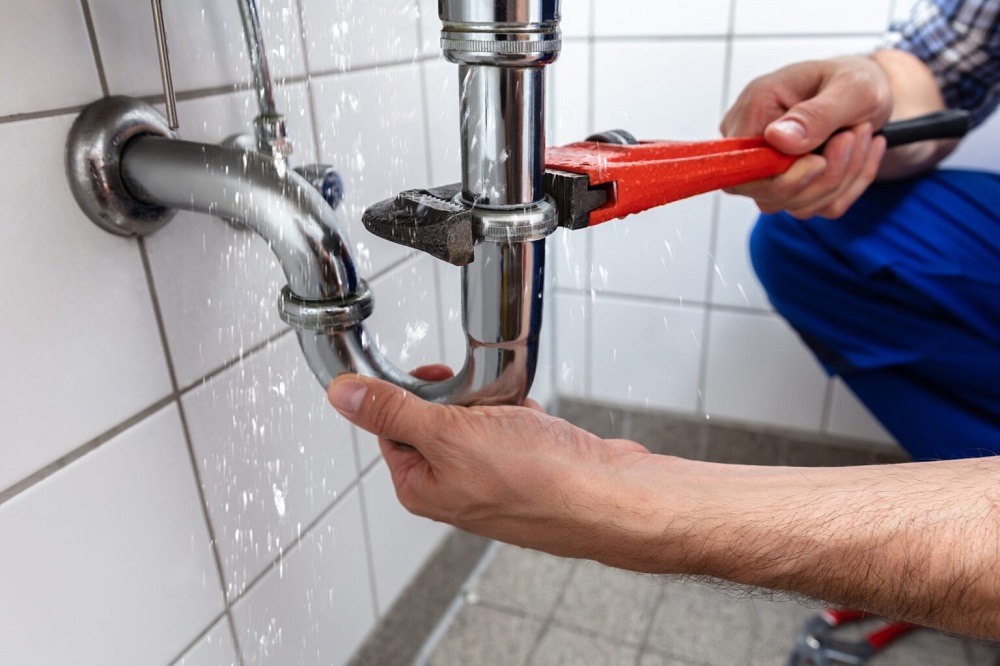
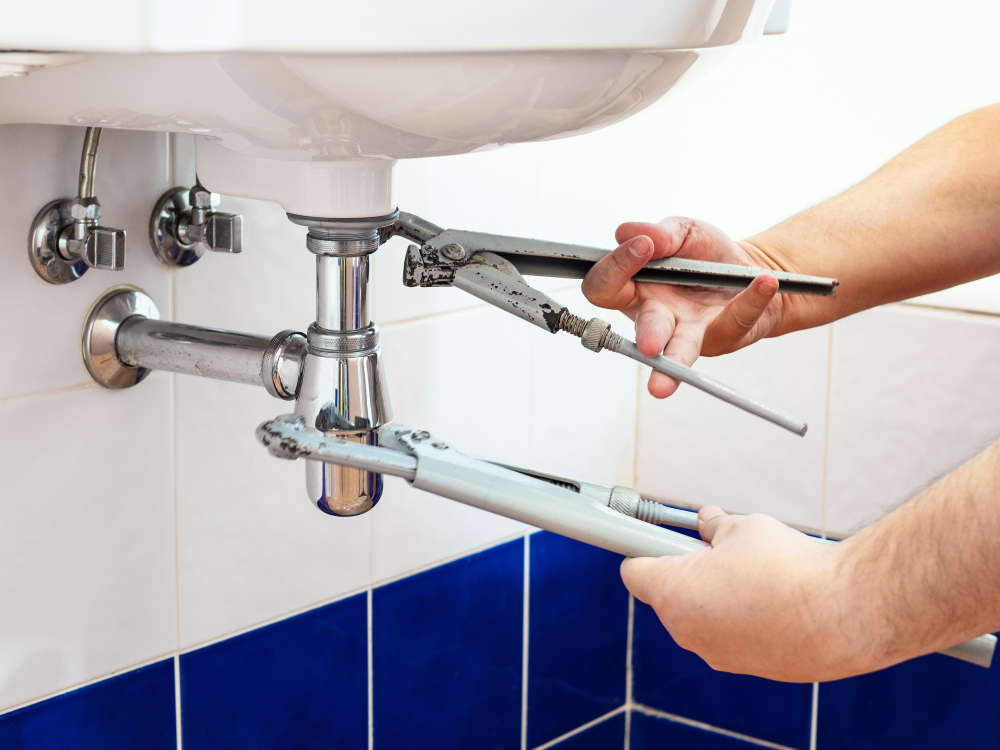
- Traps and Vent Pipes: Traps prevent sewer gases from entering buildings, while vent pipes ensure proper airflow to facilitate smooth drainage.
- Drainage Materials: PVC and ABS (acrylonitrile butadiene styrene) are widely used for waste pipes due to their corrosion resistance, light weight, and ease of installation.
- Sump Pumps and Sewage Ejectors: These devices manage water accumulation in basements and low-lying areas, reducing flooding risks.
Advanced Plumbing Technologies
The plumbing industry has embraced technological advancements that improve efficiency, safety, and sustainability. Some notable developments include:
- Tankless Water Heaters: These systems provide on-demand hot water, reducing energy consumption and eliminating the need for bulky storage tanks.
- Smart Plumbing Systems: IoT-enabled devices monitor water usage, detect leaks, and automate water flow. This technology helps reduce water waste and utility costs.
- Water Filtration and Purification: Reverse osmosis systems, UV sterilizers, and activated carbon filters ensure water quality, protecting health and plumbing infrastructure.
- Greywater and Rainwater Harvesting Systems: Advanced plumbing designs incorporate recycled water solutions, reducing reliance on municipal water and promoting environmental sustainability.
Common Plumbing Challenges
Even the most well-designed plumbing systems face operational challenges over time. Understanding these issues allows for proactive maintenance and quick resolution.
Leaks and Pipe Bursts
Leaking pipes are among the most common plumbing problems, often caused by corrosion, high water pressure, or aging materials. Signs include:
- Damp patches on walls or ceilings
- Unexplained water bills
- Reduced water pressure
Addressing leaks promptly prevents water damage and mold growth, both of which can compromise structural integrity and health.
Blockages and Clogs
Drainage systems often encounter clogs due to hair, grease, mineral buildup, or foreign objects. Techniques for resolving blockages include:
- Mechanical Solutions: Plungers, drain snakes, and augers are traditional tools for clearing minor clogs.
- Hydro-Jetting: High-pressure water jets remove stubborn blockages and residue buildup, restoring pipe efficiency.
- Chemical Treatments: Though effective, chemical drain cleaners can damage pipes and should be used cautiously.
Water Quality Issues
Water hardness, sediment, and contamination can impact plumbing components and health. Installing water softeners, filters, and regular maintenance of fixtures is essential to mitigate these challenges.
Plumbing Installation Best Practices
Professional plumbing installation ensures long-term reliability and reduces the likelihood of costly repairs. Key considerations include:
- Proper Pipe Sizing and Layout: Calculating water demand and flow rate prevents pressure drops and ensures efficient distribution.
- Adherence to Codes and Standards: Compliance with local plumbing codes and safety regulations guarantees system safety and legal conformity.
- Corrosion Protection: Using anti-corrosive materials and coatings extends pipe lifespan, especially in areas with acidic water or high humidity.
- Leak Testing: Pressure testing and inspection during installation identify weaknesses before the system becomes operational.
Maintenance Strategies for Longevity
Routine maintenance is crucial for plumbing system performance and longevity. Effective strategies include:
- Regular Inspections: Checking for leaks, corrosion, and pipe wear prevents major issues.
- Drain Cleaning: Periodic cleaning removes buildup and reduces clog risks.
- Fixture Upgrades: Replacing aging faucets, valves, and water heaters improves efficiency and safety.
- Seasonal Preparation: Winterizing pipes in colder climates prevents freezing and bursting.
Plumbing in Commercial and Industrial Settings
Commercial and industrial plumbing requires specialized knowledge due to higher water usage, complex layouts, and regulatory compliance. Systems often include:
- High-capacity pumps and boilers
- Industrial-grade filtration systems
- Grease traps for restaurant operations
- Backflow prevention devices to protect potable water
Expert planning, monitoring, and maintenance are critical to avoid costly downtime and ensure safety in these environments.
Plumbing Sustainability and Green Practices
Modern plumbing is moving toward eco-friendly practices that conserve water and energy. Initiatives include:
- Low-Flow Fixtures: Faucets, toilets, and showerheads reduce water consumption without sacrificing performance.
- Solar Water Heating: Using solar energy for water heating reduces reliance on fossil fuels.
- Leak Detection Systems: Early leak identification reduces water waste and environmental impact.
- Water Recycling Systems: Greywater reuse for irrigation and flushing reduces freshwater demand.
Emerging Trends in Plumbing
The plumbing industry continues to evolve with technological innovation and environmental consciousness. Key trends shaping the future include:
- Smart Home Integration: Connected devices allow remote monitoring and control of plumbing systems.
- Sustainable Materials: Biodegradable and recycled materials are being incorporated into pipes and fixtures.
- AI-Powered Maintenance: Predictive analytics identify potential failures before they occur, saving time and costs.
- Modular Plumbing Systems: Prefabricated components streamline installation and reduce construction time.
Safety Considerations in Plumbing
Plumbing professionals and homeowners must prioritize safety when working with systems involving water, gas, and electricity. Important practices include:
- Turning off water supply before repairs
- Using protective gear when handling chemicals
- Properly venting gas appliances to avoid carbon monoxide exposure
- Ensuring electrical grounding for water heaters and pumps
Plumbing Costs and Investment
Investing in quality plumbing ensures long-term savings. Costs vary based on project scope, materials, and labor, but consider these points:
- Initial Installation vs. Replacement: New installations are costlier but reduce future maintenance.
- Material Quality: Investing in durable pipes and fixtures prevents frequent repairs.
- Preventive Maintenance: Routine inspections and minor repairs reduce the risk of costly emergencies.
Plumbing Expertise and Hiring Professionals
Professional plumbers provide expertise that ensures system reliability and compliance. Key benefits of hiring certified plumbers include:
- Accurate diagnosis of complex issues
- Efficient repairs and installations
- Adherence to codes and safety regulations
- Access to advanced tools and technologies
DIY solutions may seem appealing, but professional intervention often prevents bigger problems in the long run.
Real-Life Applications of Plumbing
Plumbing affects everyday life in numerous ways:
- Residential Comfort: Clean water for drinking, bathing, and cooking
- Public Health: Proper sewage systems prevent disease transmission
- Industrial Efficiency: Reliable water and drainage systems support manufacturing and processing operations
- Environmental Protection: Advanced plumbing reduces water wastage and promotes sustainable resource management
FAQ Section
Q1: How often should residential plumbing systems be inspected?
A: Professional inspections should occur at least once a year, with attention to leaks, corrosion, water pressure, and fixture condition. Regular self-checks every few months can also prevent minor issues from escalating.
Q2: What is the most durable type of plumbing pipe?
A: Copper pipes are highly durable and resistant to corrosion and high temperatures. PEX is also durable, flexible, and easier to install, making it a preferred choice in many modern homes.
Q3: How can I prevent pipe freezing in winter?
A: Insulate exposed pipes, maintain a consistent indoor temperature, and allow faucets to drip during extreme cold to prevent freezing and bursting.
Q4: Are tankless water heaters more cost-effective than traditional tanks?
A: Yes, tankless water heaters save energy by heating water on demand, reducing standby energy loss. They also have a longer lifespan and occupy less space.
Q5: Can smart plumbing systems detect leaks automatically?
A: Yes, IoT-enabled sensors can monitor water flow, detect leaks, and send alerts, allowing homeowners or facility managers to act quickly and prevent water damage.
Q6: What is greywater recycling, and how does it work?
A: Greywater recycling involves collecting wastewater from sinks, showers, and laundry, treating it, and reusing it for irrigation or flushing toilets. This reduces freshwater consumption and promotes sustainable water use.
Q7: How do I choose a reliable plumbing professional?
A: Look for licensed and certified plumbers, check reviews and references, and ensure they adhere to local codes. Experienced professionals provide accurate diagnoses, quality installations, and long-term solutions.