Remodeling is more than just a renovation; it is a deliberate transformation of a space to improve its functionality, aesthetic appeal, and long-term value. Whether it involves updating a kitchen, reimagining a bathroom, or redefining the layout of an entire home, remodeling combines design, engineering, and lifestyle considerations into a cohesive process. Homeowners and property investors increasingly view remodeling as a strategic investment, offering not just immediate satisfaction but also measurable financial returns.
Understanding Remodeling: More Than Surface Changes
Remodeling involves altering existing structures rather than constructing new ones. It can range from minor cosmetic adjustments, like painting walls or replacing fixtures, to significant structural modifications, such as moving walls, upgrading plumbing, or expanding square footage. Unlike routine maintenance or repair, remodeling requires planning, permits, and professional expertise to ensure that the changes are safe, compliant, and durable.
Key aspects of remodeling include:
- Structural Modification: Changing the footprint or layout of rooms for better flow or increased space.
- Aesthetic Enhancement: Updating surfaces, finishes, and fixtures to align with contemporary design trends.
- Functional Improvement: Introducing features that enhance usability, accessibility, and comfort.
- Energy Efficiency: Incorporating modern insulation, windows, and appliances to reduce energy consumption.
- Value Addition: Increasing the market value of a property by upgrading high-impact areas.
The success of a remodeling project depends on balancing these factors with budget constraints, timelines, and the unique needs of residents.
Planning a Remodeling Project: Laying the Foundation
Effective remodeling begins with thorough planning. This phase is critical for avoiding delays, cost overruns, and design compromises. The planning process typically involves several steps:
1. Assessing Needs and Goals
Before lifting a hammer, homeowners should clearly define the objectives of the remodel. Are you seeking modern aesthetics, improved functionality, or enhanced property value? Some common remodeling goals include:
- Expanding kitchen space for better workflow.
- Modernizing bathrooms with contemporary fixtures and smart features.
- Creating open floor plans to improve light and movement.
- Upgrading insulation and windows for energy efficiency.
2. Budgeting and Cost Estimation
Remodeling costs vary widely depending on scope, materials, labor, and location. A comprehensive budget should account for:
- Materials and Fixtures: Quality and durability affect both aesthetics and longevity.
- Labor Costs: Skilled contractors, carpenters, plumbers, and electricians.
- Permits and Inspections: Required for structural, electrical, or plumbing changes.
- Contingency Fund: Typically 10-15% of the total budget to cover unexpected expenses.
Accurate budgeting ensures the project remains financially feasible and prevents compromises in quality.
3. Hiring Professionals
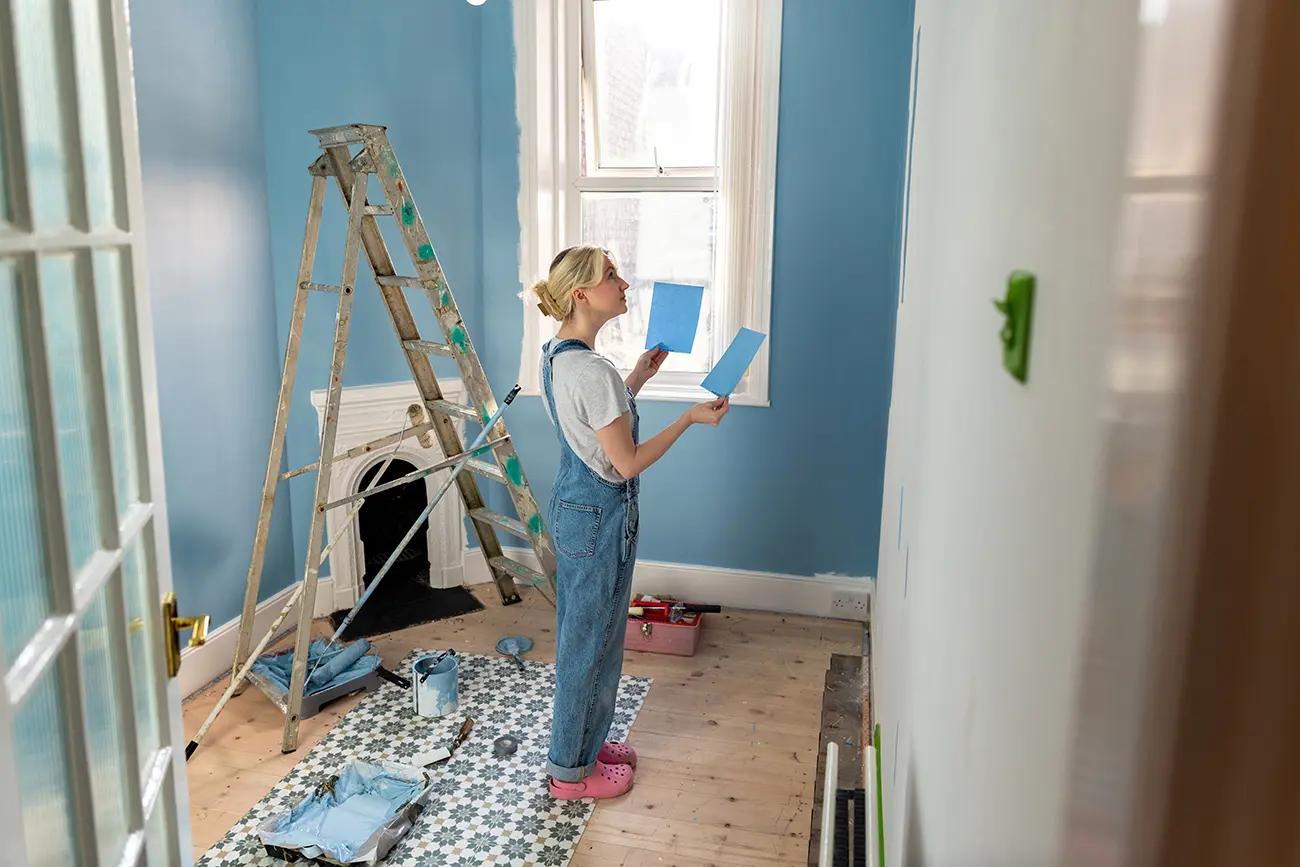
While DIY remodeling is possible for minor projects, complex renovations require professional involvement. Key professionals include:
- Architects: Design functional and aesthetically pleasing layouts.
- Interior Designers: Recommend finishes, color palettes, and spatial arrangements.
- Contractors: Manage construction, labor coordination, and adherence to timelines.
- Specialists: Electricians, plumbers, HVAC technicians, and structural engineers as needed.
Working with reputable professionals ensures compliance with building codes and reduces the risk of substandard workmanship.
Popular Remodeling Projects and Their Benefits
Certain remodeling projects consistently provide high returns and improve daily living experiences. Below are some of the most impactful types of remodeling:
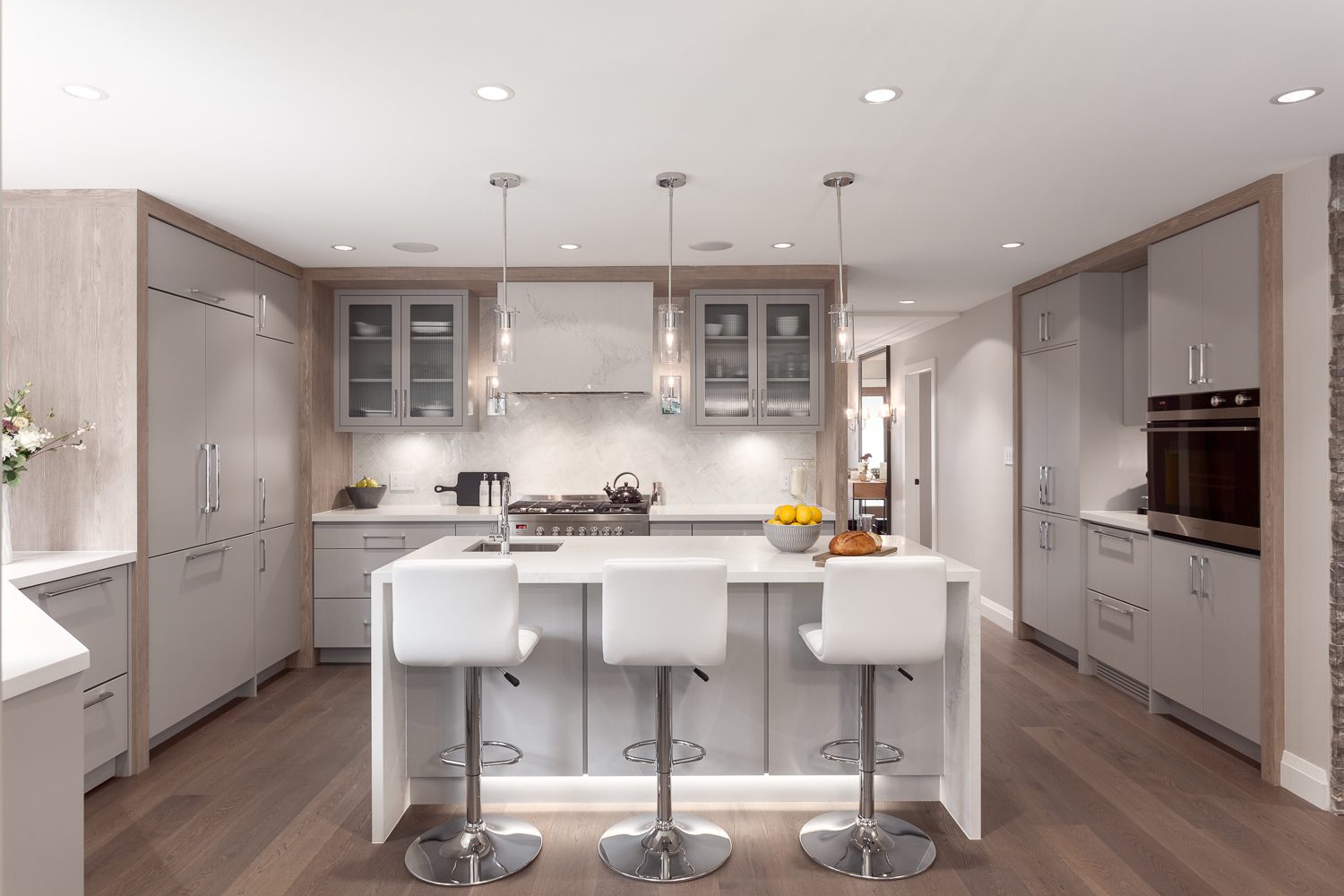
Kitchen Remodeling
Kitchens are often the focal point of a home, making them prime candidates for remodeling. Key considerations include:
- Layout Optimization: Adopting functional layouts such as the work triangle, islands, or open-concept designs.
- Appliance Upgrades: Energy-efficient and smart appliances enhance usability and reduce operational costs.
- Storage Solutions: Custom cabinetry, pull-out shelves, and pantry organization maximize space.
- Surface Upgrades: Durable countertops, backsplashes, and flooring that balance aesthetics with functionality.
A well-executed kitchen remodel can substantially increase property value while improving day-to-day convenience.
Bathroom Remodeling
Bathrooms combine practicality with personal luxury. Remodeling can focus on:
- Modern Fixtures: Rain showers, freestanding tubs, and low-flow toilets.
- Space Optimization: Removing unnecessary walls or reconfiguring layouts for better flow.
- Lighting and Ventilation: Adequate natural and artificial lighting plus humidity control.
- Materials Selection: Moisture-resistant tiles, countertops, and cabinetry to ensure durability.
Upgraded bathrooms often enhance the comfort of the home while appealing to prospective buyers.
Basement and Attic Remodeling
Unfinished or underutilized areas like basements and attics offer untapped potential:
- Home Offices and Studios: Dedicated spaces for remote work or hobbies.
- Guest Suites: Creating private accommodations for visitors.
- Entertainment Rooms: Home theaters, game rooms, or fitness areas.
- Storage Optimization: Functional shelving and closets for organized living.
Converting these spaces adds usable square footage without the cost of building an addition.
Exterior and Curb Appeal Enhancements
Remodeling is not confined to interiors. Exterior improvements can transform the look and feel of a property:
- Roofing and Siding: Updating materials for durability and visual appeal.
- Landscaping: Functional gardens, patios, and walkways enhance outdoor living.
- Porches and Decks: Expand usable space and improve social areas.
- Energy Efficiency Upgrades: Solar panels, insulated windows, and smart outdoor lighting.
A striking exterior remodel can significantly elevate property value and community standing.
Modern Trends in Remodeling
Remodeling is influenced by evolving lifestyle needs, technological advancements, and environmental considerations. Current trends include:
- Smart Home Integration: Automated lighting, security, climate control, and voice-assisted appliances.
- Sustainable Materials: Recycled or low-VOC materials for healthier, eco-friendly living.
- Minimalist and Open Designs: Streamlined layouts that maximize natural light and movement.
- Multipurpose Spaces: Flexible rooms that serve as offices, gyms, or guest accommodations.
- Energy Efficiency: Efficient insulation, double-glazed windows, and LED lighting reduce energy bills.
Staying informed about trends ensures that remodeling projects are both contemporary and functional.
Overcoming Common Remodeling Challenges
Remodeling is inherently complex, often accompanied by challenges such as:
- Budget Overruns: Avoided through detailed planning and a contingency fund.
- Permit Delays: Understanding local regulations and early applications help prevent hold-ups.
- Unforeseen Structural Issues: Inspections and professional assessments minimize surprises.
- Disruption to Daily Life: Phased remodeling schedules can reduce inconvenience.
- Material Delays: Pre-ordering materials ensures timely delivery and avoids workflow interruptions.
Proactive management and professional guidance are key to mitigating these challenges.
Long-Term Benefits of Remodeling
Beyond immediate improvements, remodeling offers lasting advantages:
- Enhanced Property Value: Strategic upgrades, particularly kitchens and bathrooms, increase market price.
- Improved Lifestyle: Functional and comfortable spaces enrich daily living.
- Energy and Cost Savings: Modern appliances and insulation reduce utility bills.
- Personal Expression: Remodeling allows homeowners to imprint personal style and preferences on their living spaces.
- Health and Safety: Replacing outdated wiring, plumbing, and materials ensures a safer environment.
By prioritizing thoughtful design and quality execution, remodeling transforms both property and lifestyle.
DIY vs. Professional Remodeling
Homeowners often debate between DIY projects and hiring professionals. Each has pros and cons:
DIY Advantages:
- Cost savings on labor.
- Personal satisfaction and customization.
- Flexible scheduling.
DIY Limitations:
- Limited expertise for complex tasks.
- Risk of errors that may compromise safety or durability.
- Extended timelines due to learning curves.
Professional Advantages:
- Expertise ensures code compliance and high-quality results.
- Efficient project management and timeline adherence.
- Access to trade discounts for materials.
Professional Limitations:
- Higher upfront costs.
- Less hands-on personal involvement.
Balancing DIY efforts with professional input often yields the most effective results.
Remodeling Maintenance and Upkeep
Successful remodeling extends beyond construction. Maintaining remodeled spaces is crucial:
- Regular Cleaning: Protects surfaces and extends material lifespan.
- Routine Inspections: Identify early signs of wear, leaks, or structural issues.
- Appliance Maintenance: Ensures efficient operation and prevents costly repairs.
- Touch-Up Painting and Sealing: Preserves aesthetics and prevents deterioration.
Proper maintenance ensures that remodeling investments deliver long-term value.
Remodeling as a Strategic Investment
Property owners increasingly view remodeling not just as improvement, but as an investment. Factors influencing return on investment (ROI) include:
- Scope and Quality of Renovation: Well-planned, high-quality remodels yield higher resale value.
- Location: Upgrades in high-demand neighborhoods tend to provide stronger ROI.
- Market Trends: Remodeling aligned with contemporary trends increases appeal to buyers.
- Energy Efficiency and Sustainability: Modern green upgrades often attract premium valuations.
A strategic remodeling plan enhances property performance both functionally and financially.
Conclusion
Remodeling is a powerful tool for transforming homes into spaces that reflect personal taste, functional needs, and modern standards. From detailed planning to execution and maintenance, every stage requires thoughtful consideration and strategic decision-making. When done correctly, remodeling enhances lifestyle, increases property value, and ensures a lasting impact that goes beyond mere aesthetics.
Frequently Asked Questions About Remodeling
1. How long does a typical remodeling project take?
The duration varies by project type and scope. Small-scale updates like painting or fixture replacements may take a few days, while major kitchen or bathroom remodels can take several weeks to months.
2. What is the most cost-effective remodeling project?
Kitchen and bathroom
updates generally provide the highest ROI, particularly when using high-quality materials and modern design without over-customization.
3. Can remodeling increase home resale value?
Yes, strategic remodeling, especially in key areas like kitchens, bathrooms, and living spaces, often results in substantial property value appreciation.
4. How do I ensure my remodeling project stays on budget?
Develop a detailed budget with contingency funds, obtain multiple contractor estimates, pre-order materials, and prioritize essential upgrades over optional luxuries.
5. Are there eco-friendly options in remodeling?
Absolutely. Sustainable materials, energy-efficient appliances, LED lighting, and proper insulation contribute to environmentally responsible remodeling.
6. What permits are required for remodeling?
Permits vary by location and project scope. Structural, electrical, plumbing, and major additions typically require local government approval to ensure safety and compliance.
7. Should I attempt a DIY remodel?
DIY is suitable for minor cosmetic improvements. Complex structural, electrical, or plumbing projects require professional expertise to ensure safety, compliance, and quality outcomes.