Home improvements can transform your daily living experience, but not all renovation projects generate an equal return on investment. When planning a remodel with property appreciation in mind, homeowners must balance aesthetic appeal, structural upgrades, and functional improvements. Pouring tens of thousands of dollars into hyper-customized luxury upgrades rarely yields a full dollar-for-dollar return upon resale. Conversely, focused, cost-effective renovations that target high-traffic living spaces, improve building efficiency, and elevate curb appeal can produce a rapid surge in overall market value.
Whether you plan to list your property on the market next month or simply want to build home equity over the coming years, strategic home improvements maximize your financial yield. Focusing on high-impact projects ensures your investment translates into tangible equity.
First Impressions: High-ROI Exterior Enhancements
Buyers form lasting impressions within the first thirty seconds of viewing a home. A house with dated exterior siding, peeling paint, or broken light fixtures prompts prospective buyers to assume that deferred maintenance lurks inside. Targeted exterior updates deliver some of the highest cost-to-value recoup rates in the remodeling industry.
-
Upgrading the Front Entry Door: Replacing a worn or weathered entrance door with a modern steel or heavy fiberglass unit provides an immediate boost in curb appeal and security. Steel entry doors regularly recoup nearly ninety percent of their installation costs because they combine durable construction, energy efficiency, and refined aesthetics.
-
Modern Garage Door Replacement: For homes where the garage faces the front street, an aged, dented overhead door drags down the exterior facade. Upgrading to an insulated, carriage-style or modern slatted garage door elevates architectural lines and improves interior climate control in attached garages.
-
Strategic Exterior Paint and Siding Repairs: Power washing brick surfaces, repairing broken vinyl or fiber-cement lap siding, and painting exterior trim in neutral, high-contrast shades creates a fresh, well-kept look without the prohibitive expense of full-house residing.
-
Refined Low-Maintenance Landscaping: Neatly trimmed foundation plantings, fresh dark mulch, defined lawn borders, and low-voltage solar path lighting enhance evening appeal and photograph exceptionally well on digital real estate listings.
High-Traffic Kitchen Upgrades That Do Not Break the Bank
Kitchens consistently serve as the focal selling point of any residential property. However, executing a total gut renovation with custom solid-wood cabinetry, imported marble countertops, and professional-grade chef stoves often recoups less than sixty percent of total expenditure. The secret to rapid equity generation lies in cosmetic, mid-tier kitchen refreshments.
| Upgrade Area | High-Cost Major Remodel | High-ROI Targeted Refresh | Average Market Appeal |
| Cabinetry | Custom wood replacement ($25,000+) | Professional repainting and new hardware ($3,000) | Crisp, modern finish at a fraction of the cost |
| Countertops | Rare exotic stone ($10,000+) | Quartz or solid-surface slab ($3,500) | Durable, low maintenance, universally preferred |
| Backsplash | Hand-painted art tiles ($4,000) | Classic subway tile or neutral herringbone ($900) | Timeless visual texture that broadens buyer appeal |
| Fixtures | Commercial pot fillers and brass sets ($2,500) | Pull-down brushed nickel/matte black faucets ($350) | Modern functionality and polished presentation |
Cabinet Refacing and Painting
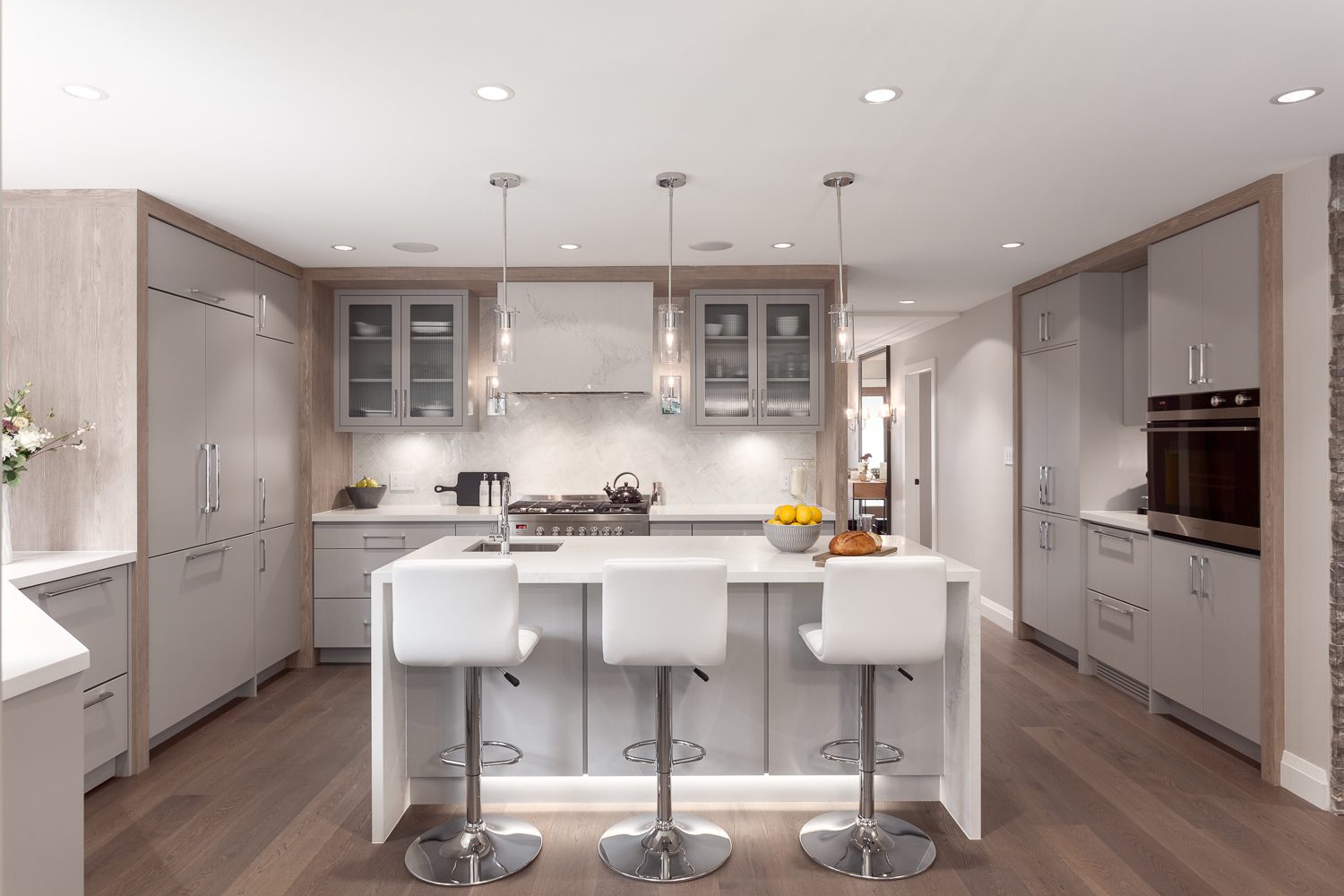
If your current cabinet boxes are structurally sound, tearing them down is unnecessary. Sanding, priming, and spray-painting existing wood cabinets in a timeless off-white, light gray, or deep navy instantly updates a dated room. Replacing worn, rounded brass knobs with sleek matte black or brushed brass bar pulls finishes the transformation affordably.
Installing Quartz Countertops
Prospective buyers consistently look for stone work surfaces. While granite used to dominate the market, engineered quartz has taken the lead due to its non-porous nature, resistance to staining, and consistent grain patterns. Installing neutral-toned quartz countertops instantly elevates the kitchen luxury quotient while providing long-lasting utility.
Upgrading to Unified Stainless Steel Appliances
A mismatched kitchen containing a white refrigerator, a black dishwasher, and a stainless steel range appears disorganized. Upgrading to an energy-efficient, matching suite of stainless steel or panel-ready appliances ties the room together into a cohesive visual space.
Bathroom Refresh: Clean, Modern, and Spa-Inspired
Bathrooms receive heavy daily use, and outdated fixtures or discolored tile grout quickly turn buyers away. You do not need to expand the room footprint or relocate plumbing stacks to build substantial equity in a bathroom.
-
Replacing the Vanity and Sink: Swapping a bulky, dated vanity cabinet for a modern freestanding or floating vanity equipped with a stone top and undermount sink modernizes the layout in a single afternoon.
-
Modernizing Lighting and Vanity Mirrors: Eliminate harsh overhead fluorescent bar lights in favor of warm LED sconces positioned at eye level on either side of a clean, frameless or metal-rimmed mirror.
-
Re-Grouting and Tiling the Shower Enclosure: Dingy, discolored grout can make even clean showers look unsanitary. Thoroughly cleaning, repairing, or replacing shower tiles with clean, white glazed ceramic tiles brightens the room and creates a spa-like retreat.
-
Installing Water-Efficient Fixtures: Replacing old showerheads and aerators with modern rain showerheads and dual-flush toilets appeals to eco-conscious buyers looking to keep utility bills down.
Unifying Interior Flooring and Eliminating Visual Breaks
Flooring serves as the foundational canvas for your entire interior design. Homes that feature three or four different flooring materials in adjacent rooms—such as beige carpet in the living area, oak parquet in the hall, and green vinyl in the dining room—feel smaller, disjointed, and visually cluttered.
Installing continuous luxury vinyl plank (LVP) or engineered hardwood across the entire main living level creates unbroken sightlines. Modern rigid-core luxury vinyl plank is waterproof, highly scratch-resistant against pet claws, and mimics the warmth of natural hardwood at a much lower cost. Continuous flooring makes modest floor plans feel considerably more spacious and modern.
Creating Usable Living Area: Basement and Attic Conversions
Adding square footage to your home exterior footprint through new ground-up additions requires extensive foundation work, roof framing, and architectural permitting, all of which carry high costs per square foot. Converting existing, unconditioned interior space delivers equivalent functional living area for a fraction of that expenditure.
Finishing an Unfinished Basement
A dry, finished basement can serve as a recreation room, home theater, guest suite, or remote work office. Framing insulated perimeter walls, installing recessed can lighting, and laying subfloor insulation transforms damp storage into high-value heated square footage.
Converting an Attic or Loft Space
If your roof trusses allow sufficient ceiling clearance, turning an attic into a secondary bedroom, creative studio, or playroom adds high-utility living space that elevates your home listing category from a three-bedroom to a four-bedroom residence.
Energy Efficiency and Smart Home Modernization
Modern buyers evaluate more than just cosmetic finishes; they scrutinize monthly operating costs. Upgrades that improve household energy efficiency lower utility bills immediately and yield strong marketing leverage during home appraisals.
-
Attic Insulation Upgrades: Sealing air leaks and blowing fiberglass or cellulose insulation into the attic up to modern R-values dramatically stabilizes indoor temperatures, reducing heating and cooling loads year-round.
-
Smart Thermostat and Climate Zoning: Installing programmable smart thermostats allows homeowners to automate temperature adjustments from mobile devices, providing demonstrable energy savings.
-
Smart Security and Keyless Entry: Integrating keyless deadbolts, video doorbells, and smart exterior floodlights offers security peace of mind and introduces modern lifestyle conveniences.
Strategic Painting: The Highest Percentage ROI
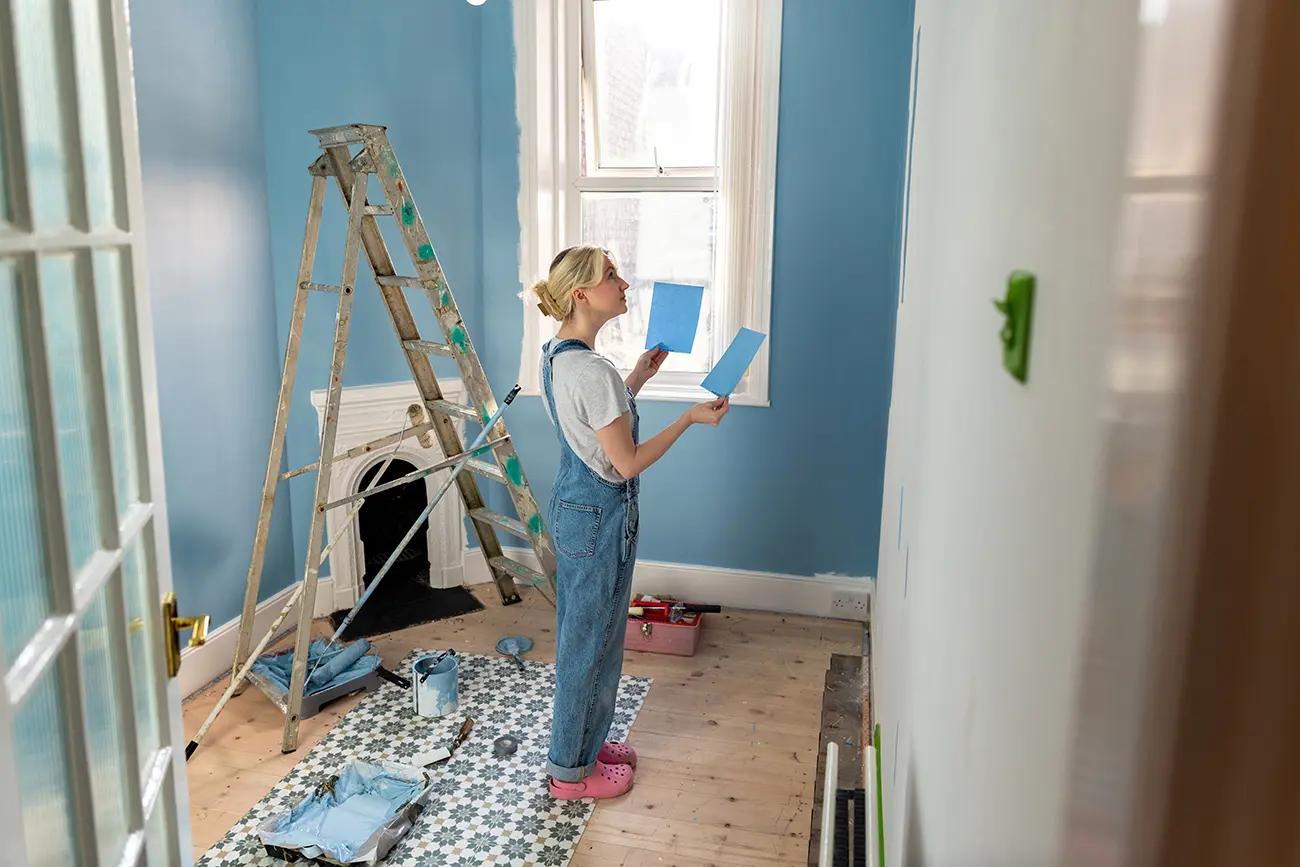
Painting remains the undisputed champion of cost-effective home improvements. A fresh coat of paint conceals minor drywall dents, eliminates lingering odors, and brightens dim rooms.
When painting to maximize property value, avoid bold, eccentric colors that appeal only to specific tastes. Stick with warm, light-reflective neutrals such as soft warm grays, light creams, and muted beiges. Using a consistent satin or eggshell finish on walls paired with semi-gloss pure white on door casings and baseboards makes interior spaces look expansive, pristine, and move-in ready.
Frequently Asked Questions
Which home remodeling projects have the lowest return on investment?
High-end luxury customizations typically yield the lowest financial return upon resale. Installing custom swimming pools, dedicated wine cellars, elaborate built-in aquariums, or converting a standard bedroom into an oversized walk-in closet often fails to recoup upfront costs. In some markets, a swimming pool can even deter prospective buyers who do not want to take on long-term maintenance costs and safety liabilities.
How does adding a half-bathroom affect total property value?
Adding a half-bathroom on the main living floor significantly increases home appeal and functionality, particularly in older properties where only one full bathroom exists upstairs. Real estate valuation studies show that adding a half-bath can increase overall property value by eight to ten percent, offering a higher percentage return than adding an extra bedroom in a home that already has three.
Is open-concept layout modification still a valuable remodeling choice?
Removing non-load-bearing partition walls between the kitchen, dining, and living areas remains a strong value-add because it improves natural light distribution and creates modern flow. However, entirely removing walls without preserving clear functional zones can cause acoustic issues and limit wall space for furniture placement. Strategic, partial wall removals and wide cased openings provide the best balance of open sightlines and structural separation.
How do home appraisers calculate the value of unpermitted home improvements?
Appraisers and municipal building inspectors evaluate additions and structural updates based on official local property records. If a finished basement, converted garage, or added bathroom was completed without appropriate permits and municipal inspections, an appraiser may exclude that square footage from the official heated living area valuation. Unpermitted work can also stall closing processes if a buyer lender requires proof of code compliance.
What is the difference between major and minor kitchen remodels regarding percentage recouped?
A minor kitchen remodel—such as painting existing cabinets, installing new laminate or entry-level stone countertops, swapping hardware, and upgrading to mid-tier energy-efficient appliances—regularly recoups seventy to eighty percent of its cost. A major upscale kitchen remodel—involving structural layout changes, high-end custom cabinetry, commercial-grade appliances, and premium stone surfaces—typically recoups only fifty to sixty percent due to high initial labor and material expenses.
Can replacing drafty windows lower home insurance premiums or increase appraisal value?
Upgrading old single-pane glass to modern double- or triple-pane insulated vinyl or composite windows improves energy efficiency ratings and reduces draft-related moisture problems. While it may not directly decrease standard hazard insurance premiums unless impact-rated storm windows are used in hurricane-prone zones, appraisers assign positive structural condition ratings to properties with updated window assemblies, protecting the overall home valuation.
What is the most cost-effective way to modernize popcorn or textured ceilings?
Removing textured or popcorn ceilings instantly modernizes the visual age of a home. The most cost-effective approach for homes built after 1980 is scraping the dampened texture, skim-coating the drywall joints to achieve a smooth Level 4 or Level 5 finish, and applying a flat white ceiling paint. For textured ceilings installed before 1980 that may contain asbestos, covering the existing ceiling with thin quarter-inch drywall sheets or tongue-and-groove wooden planks provides a safe, attractive alternative without costly hazardous material abatement.