Every homeowner eventually faces a plumbing issue. Whether it is a dripping kitchen faucet, a slow-draining shower, or a burst pipe flooding the basement, plumbing problems demand immediate attention. When these issues arise, homeowners typically face a critical decision: should they grab a wrench and attempt a do-it-yourself repair, or call a licensed professional plumber?
The rise of online video tutorials, home improvement forums, and specialized hardware store tools has made DIY repairs more accessible than ever. Handling a repair independently offers the satisfaction of manual problem-solving and the potential to save on service call fees. However, residential plumbing systems are complex networks governed by water pressure dynamics, venting principles, municipal building codes, and structural safety rules. An incorrect fitting, over-tightened pipe, or misdiagnosed clog can turn a minor inconvenience into thousands of dollars in structural water damage, mold growth, or contaminated drinking water.
Understanding the clear boundaries between simple maintenance tasks you can handle yourself and complex repairs requiring professional expertise is essential for protecting your home, health, and budget.
Understanding the Scope of Residential Plumbing
A home plumbing infrastructure consists of two distinct, interconnected systems: the supply system and the drain-waste-vent system.
The supply system brings clean, pressurized freshwater into the home from a municipal main or private well. This pressurized network delivers water directly to fixtures, water heaters, and appliances. Because the supply system is under continuous hydraulic pressure, any structural failure, improper solder joint, or faulty seal can release hundreds of gallons of water in minutes.
The drain-waste-vent system relies on gravity rather than pressure. It carries wastewater and organic solids away from sinks, toilets, and tubs into a municipal sewer line or septic tank. Vent pipes run through the roof to supply air, preventing vacuum locks and allowing waste to flow smoothly while directing toxic sewer gases, such as methane and hydrogen sulfide, safely outside.
Because these two systems operate on entirely different mechanical principles, diagnosing and resolving issues requires a solid understanding of fluid mechanics, venting ratios, and material compatibility.
Safe and Practical DIY Plumbing Fixes
Certain minor plumbing tasks require minimal tools, pose very little risk to your home infrastructure, and can be completed in an afternoon with basic technical skill.
-
Replacing a Worn Toilet Flapper or Fill Valve: A constantly running toilet is usually caused by a degraded rubber flapper that fails to seal against the flush valve, or an old fill valve that no longer shuts off properly. Universal replacement kits are inexpensive, require no pipe cutting, and involve simple adjustments inside the porcelain tank.
-
Unclogging Sinks with a Hand Plunger or Drain Snake: Minor blockages in bathroom sinks or shower drains caused by hair and soap scum can often be cleared using a manual cup plunger or a flexible plastic drain snake. These mechanical methods avoid corrosive chemical drain cleaners that can pit metal pipes and damage porcelain.
-
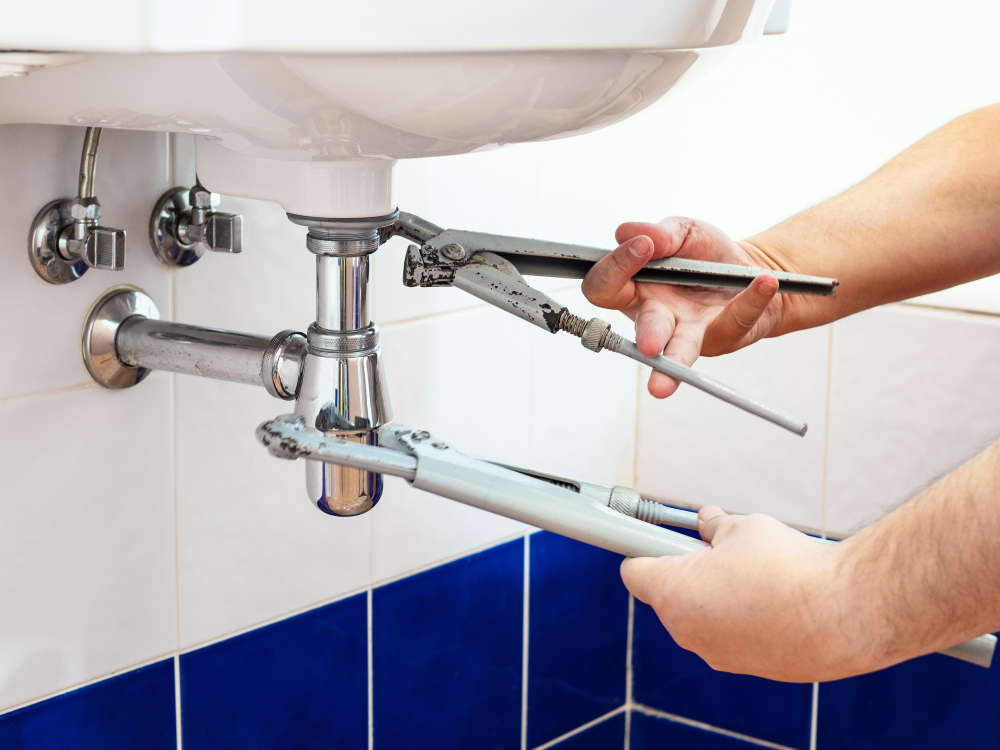
Clearing and Cleaning the P-Trap: The curved pipe beneath your sink, known as the P-trap, is designed to retain a small pool of water that blocks sewer gases from entering your home. It frequently traps dropped jewelry, heavy sediment, and hair. Homeowners can place a bucket beneath the trap, unscrew the slip nuts by hand or with channel-lock pliers, clear the blockage, replace the rubber washers, and hand-tighten the assembly back into place.
-
Replacing a Showerhead or Aerator: Mineral buildup from hard water regularly clogs showerheads and faucet aerators, reducing water flow. Unscrewing the fixture, soaking it in warm white vinegar to dissolve calcium deposits, and reinstalling it with fresh plumber tape on the threads is a straightforward DIY task.
-
Installing a New Faucet Cartridge: A dripping single-handle faucet is often the result of an internal rubber O-ring or ceramic cartridge wearing down over time. Once the water shut-off valves under the sink are closed, homeowners can remove the handle, extract the old cartridge with a basic wrench, and insert an identical replacement part.
When DIY Becomes Dangerous: Common Pitfalls
While minor fixes are manageable, homeowners often run into trouble when they underestimate the physical risks and systemic complexity of plumbing repairs.
-
Over-Tightening Connections: One of the most common beginner mistakes is using excessive force when tightening threaded fittings or supply lines. Over-tightening crushes rubber gaskets, strips brass threads, and cracks plastic nuts or porcelain fixtures, causing leaks that may not appear until hours after the repair is completed.
-
Chemical Drain Cleaner Overuse: Many homeowners pour caustic chemical cleaners into standing water when faced with a stubborn clog. These harsh acids and bases generate intense heat through chemical reactions. This heat can warp PVC pipes, dissolve ancient cast-iron walls, and create severe burn hazards for plumbers who must dismantle the pipes later.
-
Incompatible Material Joining: Connecting dissimilar metals, such as copper directly to galvanized steel without a dielectric union, initiates rapid galvanic corrosion. This electrochemical reaction weakens the joint from the inside out, leading to sudden, catastrophic pipe failures.
-
Ignoring Local Codes and Permitting: Municipalities establish strict plumbing codes to protect the public water supply from contamination, cross-connections, and dangerous sewer gas leaks. Unpermitted DIY work can void homeowner insurance policies, lead to municipal fines, and cause severe appraisal issues when trying to sell the property.
Critical Scenarios Requiring a Licensed Professional Plumber
Certain repairs and installations involve high-pressure dynamics, structural alterations, hazardous materials, and specialized diagnostic equipment. These jobs should always be entrusted to a licensed, insured plumbing contractor.
| Plumbing Project | Recommended Approach | Primary Risk Factor |
| Toilet Fill Valve Replacement | DIY Practical | Minor localized leak inside tank |
| Main Water Line Repair | Professional Only | High-pressure excavation, street-level contamination |
| Water Heater Installation | Professional Only | Gas leaks, carbon monoxide, explosion, scalding |
| Main Sewer Line Tree Root Intrusion | Professional Only | Raw sewage backflow, structural foundation flooding |
| Whole-Home Pipe Replacement (Repiping) | Professional Only | Structural water damage, wall penetration, water pressure loss |
| Gas Line Plumbing for Appliances | Professional Only | Fire, asphyxiation, explosion hazards |
Water Heater Repair and Replacement
Water heaters combine pressurized water with high-voltage electricity or natural gas combustion. A malfunctioning pressure relief valve, an improperly ventilated gas flue, or an incorrect electrical hookup can result in carbon monoxide poisoning, severe scalding, or even catastrophic tank explosions. Professional plumbers ensure proper thermal expansion tank sizing, correct flue drafting, and full compliance with regional safety codes.
Main Sewer Line Backups and Hydro-Jetting
When multiple drains throughout the house back up simultaneously, or when running the washing machine causes waste to bubble up into the shower, the problem lies in the main sewer lateral line. Clearing deep blockages caused by tree root intrusion, crushed clay pipes, or collapsed segments requires specialized diagnostic tools. Professionals use fiber-optic sewer inspection cameras to pinpoint structural defects and commercial hydro-jetting equipment to scour pipe walls clean without destroying the pipe.
Hidden Leaks and Slab Leaks
Water stains on ceilings, warm spots on tile floors, unexplainable drops in water pressure, and sudden spikes in utility bills signal hidden leaks behind finished walls or beneath the concrete foundation slab. Detecting these leaks without demolishing flooring requires acoustic listening equipment, thermal imaging cameras, and tracer gas equipment that only experienced diagnostic plumbers possess.
Modifying or Extending Water and Gas Lines
Remodeling projects that involve moving sinks, adding bathrooms, or running fuel lines for gas ranges require careful calculations of pipe diameter, drop per foot for drainage, and venting capacity. Incorrect pipe sizing starves fixtures of adequate volume, creates noisy water hammer shocks, and leaves sewer traps vulnerable to being sucked dry by negative pressure.
Weighing the True Costs: DIY vs. Hiring a Professional
The primary motivation for DIY plumbing is direct cost savings on labor. A professional plumbing service call involves labor rates, diagnostic fees, and overhead costs. However, evaluating the actual financial equation requires looking beyond the initial bill.
A botched DIY repair often leads to hidden leaks behind walls or beneath subflooring. Over time, slowly leaking water rots wooden floor joists, destroys drywall, fosters toxic black mold, and damages lower levels of the home. Remediating water damage and repairing structural framing frequently costs tens of thousands of dollars, far exceeding the original price of hiring a qualified professional.
Licensed plumbers carry commercial general liability insurance and surety bonds. If an unexpected failure occurs during their work, the contractor insurance covers the remediation costs. When a homeowner causes a flood through an unpermitted, non-code-compliant DIY repair, homeowner insurance providers may deny the resulting property damage claim.
Frequently Asked Questions
Can an amateur homeowner safely use a rented commercial power auger to clear a sewer line?
Renting a heavy-duty motorized sewer snake poses significant personal safety and property risks for untrained users. These powerful machines generate massive rotational torque; if the cutting head catches on a solid tree root or collapsed pipe wall, the steel cable can instantly bind, whip out of the drum, and cause severe injuries to the user hands, wrists, or face. Furthermore, using the wrong cutting head can punch holes straight through fragile older cast-iron or clay pipes.
What is the purpose of plumber tape, and when should it not be used?
Plumber tape, also known as Teflon or PTFE tape, is engineered exclusively for tapered national pipe threads (NPT) found on shower arms, pipe nipples, and iron fittings. It acts as a thread lubricant to help metal surfaces slide together and form a watertight seal. It should never be applied to compression fittings, flare fittings, or rubber gasket connections, such as braided stainless-steel toilet and faucet supply lines. On these connections, the tape prevents the mechanical parts from seating properly against the washer, which actually increases the risk of a leak.
How does an individual determine if a low water pressure issue affects one fixture or the entire house?
To isolate the source of low water pressure, test every hot and cold fixture throughout the home systematically, including outside hose bibs. If the low pressure is isolated to a single faucet or shower, the culprit is typically a clogged aerator, a malfunctioning cartridge, or a partially closed supply stop beneath that specific sink. If low pressure occurs simultaneously across all fixtures, the issue points to a faulty main pressure-reducing valve (PRV), severe mineral scaling throughout aging galvanized supply lines, a municipal supply drop, or a major undetected leak on the main service line.
Is it legal for a homeowner to replace their own residential gas water heater?
In many jurisdictions across the United States, replacing a gas water heater legally requires pulling a municipal building permit and scheduling a formal post-installation inspection by a city code official. While some municipalities permit homeowners to perform work on their own primary residence, others strictly mandate that all fuel-gas and water-heating installations be completed exclusively by licensed master plumbers or mechanical contractors due to explosion and carbon monoxide hazards.
Why do pipes make a loud banging noise when a faucet is shut off quickly, and can a DIYer fix it?
That loud thumping or vibrating sound is called water hammer. It occurs when moving water is suddenly stopped by a fast-closing valve, such as in a washing machine, dishwasher, or quarter-turn faucet. The sudden change in momentum sends a shockwave vibrating through the pipe network. Homeowners can easily install screw-on water hammer arrestors directly between the appliance valves and supply hoses to cushion this pressure spike, which protects solder joints from failing over time.
What should a homeowner do immediately if a supply pipe bursts inside a wall?
The very first action must be shutting off the main water shut-off valve to the home, which is typically located where the main supply line enters the basement, crawlspace, or near the street water meter. After closing the main valve, open the lowest faucet in the home and the highest faucet to drain all residual water out of the plumbing lines, which immediately relieves pressure and stops active flooding behind the wall. Once the water flow has ceased, turn off the electrical breaker to that zone if water is near wiring, and contact an emergency plumber and water restoration specialist.