The roof is the most vulnerable and critical component of a building envelope. It bears the full brunt of solar radiation, intense wind, heavy precipitation, and extreme temperature fluctuations day after day. In conventional residential and commercial buildings, standard dark roofing materials absorb massive amounts of solar radiation, transferring intense heat directly into attics and living spaces below. This dynamic forces heating, ventilation, and air conditioning systems to run continuously, driving up utility bills and accelerating mechanical wear.
Installing an energy-efficient roofing system—often referred to as a cool roof or reflective roof—fundamentally transforms how a structure interacts with the surrounding environment. By integrating advanced reflective materials, specialized coatings, continuous thermal insulation, and optimized ventilation, an energy-efficient roof keeps the entire building cooler, stabilizes indoor temperatures, and drastically reduces environmental and financial strain.
The Science Behind Energy-Efficient Roofing Systems
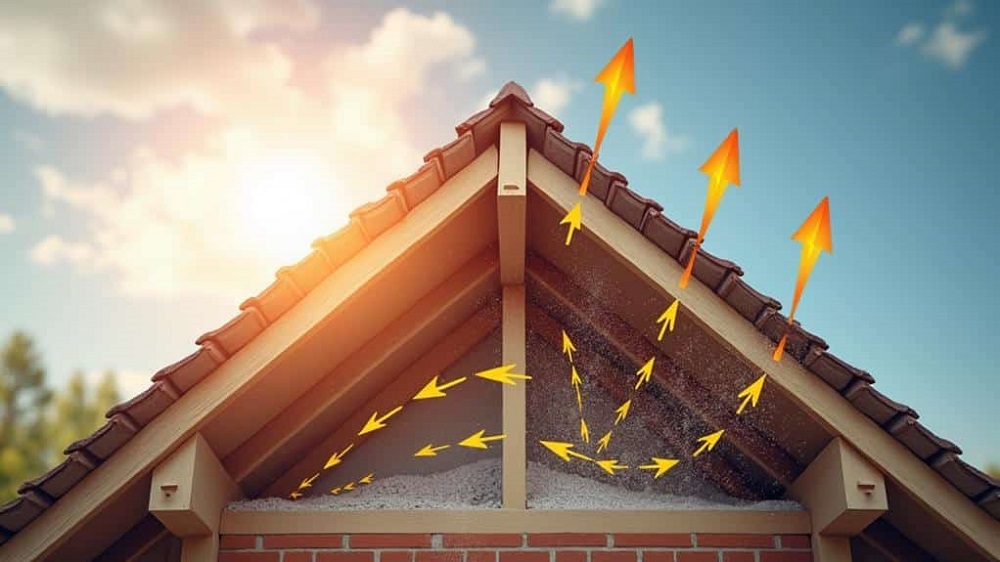
To understand why an energy-efficient roof performs so much better than a conventional roof, it helps to examine two primary physical metrics: solar reflectance and thermal emittance.
-
Solar Reflectance: This is the fraction of solar energy reflected by the roof surface back into the atmosphere before it can be converted into heat. Traditional dark asphalt shingles reflect only ten to twenty percent of sunlight, absorbing the remaining eighty to ninety percent. High-efficiency cool roofing materials reflect between sixty and eighty-five percent of sunlight.
-
Thermal Emittance: This refers to the ability of a material to radiate absorbed heat away from itself rather than conducting it downward into the structure. Materials with high thermal emittance cool down rapidly after sunlight fades, preventing stored heat from seeping into the building overnight.
-
Solar Reflectance Index (SRI): This standardized composite metric combines reflectance and emittance into a single scale, usually ranging from zero for a standard black surface to over one hundred for an exceptionally reflective white surface. A higher SRI rating signifies greater overall energy efficiency.
When a roof features both high solar reflectance and high thermal emittance, its surface temperature can stay up to fifty degrees Fahrenheit cooler on a hot summer afternoon compared to traditional dark materials.
Substantial Reduction in Household Utility Costs
The most immediate and noticeable benefit of installing an energy-efficient roof is the reduction in monthly power bills. During peak summer months, cooling accounts for a major portion of a household total energy consumption.
When the roof prevents solar heat gain from penetrating the attic space, the attic air temperature drops significantly. In a home with a standard asphalt roof, an attic can easily reach temperatures exceeding one hundred and forty degrees Fahrenheit on a ninety-degree day. With an energy-efficient roofing assembly, attic temperatures often drop by thirty to fifty degrees.
Because less heat conducts through ceilings into the living quarters, air conditioners do not need to cycle on as frequently or run for extended durations. Depending on the local climate zone, home layout, and insulation levels, property owners often experience cooling cost reductions ranging from ten to thirty percent annually. Over the multi-decade lifespan of the roof, these utility savings accumulate into thousands of dollars in direct financial returns.
Prolonged HVAC System Lifespan and Reduced Wear
Air conditioning units and heat pumps face severe mechanical stress during heat waves. When a poorly insulated or dark roof superheats the upper levels of a home, the cooling system operates under continuous maximum load to satisfy the thermostat setting.
-
Fewer Compressor Cycles: An energy-efficient roof stabilizes ambient indoor temperatures, allowing HVAC units to run balanced, predictable duty cycles rather than straining continuously.
-
Decreased Maintenance Costs: Lower operating hours translate directly to reduced wear on blower motors, capacitors, compressors, and electrical relays, resulting in fewer emergency service calls.
-
Extended Equipment Replacement Timeline: Air conditioning systems are major capital investments. Preventing premature unit failure by lowering the building cooling demand allows homeowners to defer expensive system replacements by several years.
-
Downsized Equipment Requirements: When replacing an HVAC system in a home that already features an energy-efficient roof, contractors can often specify a smaller, lower-tonnage unit, reducing upfront equipment costs without sacrificing cooling performance.
Extended Roofing Material Durability and Longevity
One of the primary causes of premature roof failure is thermal shock, which occurs when roofing materials rapidly heat up during the day and cool down at night. This continuous expansion and contraction cycle causes asphalt shingles to become brittle, splits seams in single-ply membranes, and loosens mechanical fasteners over time.
Because energy-efficient roofing materials absorb significantly less heat, the magnitude of daily temperature swings is greatly reduced. This minimizes thermal expansion cycles and preserves the structural elasticity of the roof. Furthermore, specialized reflective granules and protective coatings shield underlying waterproofing layers from ultraviolet radiation, which is responsible for drying out asphalt oils and breaking down polymer bonds. Consequently, cool roofing systems typically outlast traditional installations, providing longer service lives before requiring major repairs or replacement.
| Roofing Material Type | Average Lifespan | Typical Solar Reflectance | Primary Maintenance Advantage |
| Cool Asphalt Shingles | 20 to 30 years | 20% to 40% | UV-reflective granules prevent granular loss and curling |
| Standing Seam Metal | 40 to 70 years | 60% to 75% | High thermal emittance and excellent expansion tolerance |
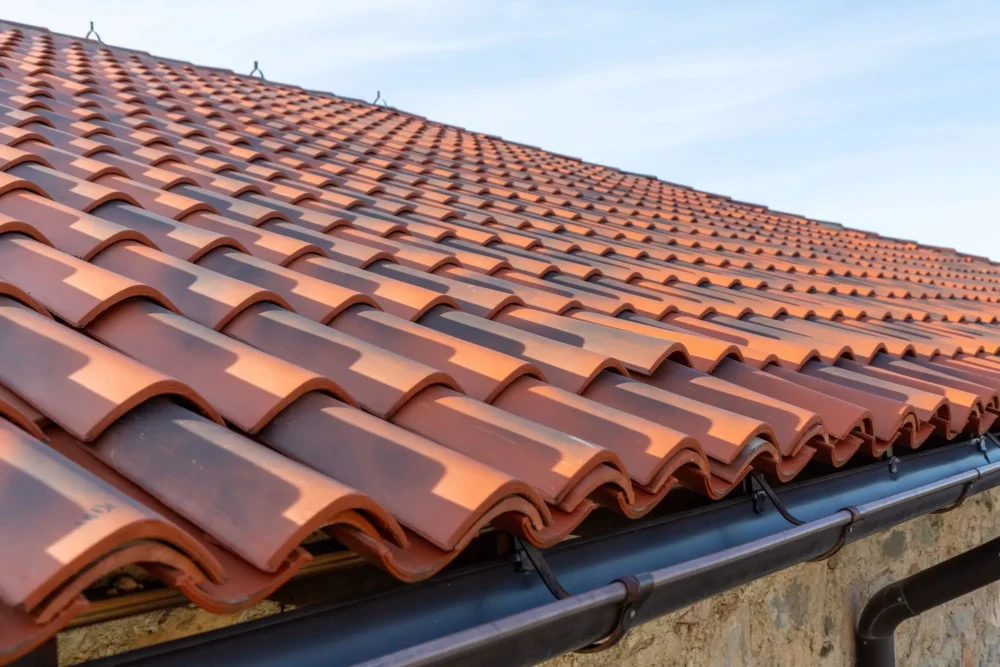
| Clay or Concrete Tiles | 50 to 100 years | 30% to 70% | Natural air ventilation beneath tiles prevents thermal bridging |
| Single-Ply TPO/PVC | 25 to 35 years | 70% to 85% | Welded seams resist pooling water and heavy UV degradation |
Enhanced Indoor Comfort and Balanced Climate Control
In multi-story homes, uneven temperature distribution is a common frustration. Second-floor bedrooms and finished bonus rooms often become uncomfortably warm during the afternoon, even when the downstairs living areas feel cold.
This thermal stratification happens because solar heat radiating down from a hot roof overpowers the capacity of the second-floor ductwork. An energy-efficient roof stops this heat transfer at the source. The result is a much more consistent, balanced temperature across all rooms and levels of the house. Eliminating hot spots creates a more comfortable daily living environment and ensures that upper-level rooms remain fully usable without requiring noisy portable fans or auxiliary window air conditioners.
Environmental Impact and Urban Heat Island Mitigation
Individual roofing decisions collectively influence the broader urban environment. In densely developed towns and cities, large concentrations of dark asphalt roofs, parking lots, and paved roadways absorb vast amounts of solar radiation, creating what meteorologists call the urban heat island effect. This phenomenon causes metropolitan areas to remain several degrees warmer than surrounding rural areas, elevating regional cooling demands and exacerbating smog formation.
-
Lower Peak Grid Demand: When thousands of buildings install reflective roofing, peak electrical demand during intense heat waves decreases, reducing the risk of regional brownouts and blackouts.
-
Decreased Greenhouse Gas Emissions: Lower electricity consumption translates directly into reduced fossil fuel combustion at municipal power plants, cutting emissions of carbon dioxide, sulfur dioxide, and nitrogen oxides.
-
Smog Reduction: High ambient air temperatures accelerate the chemical reactions that produce ground-level ozone and photochemical smog. Lowering local air temperatures through reflective roofing helps improve regional outdoor air quality.
Financial Incentives, Rebates, and Property Value Appreciation
In addition to ongoing energy savings, installing an energy-efficient roof can qualify property owners for valuable municipal, state, and federal financial incentives. Many energy providers and governmental bodies offer cash rebates and tax credits for installing products certified by recognized energy efficiency standards.
Furthermore, energy-efficient upgrades directly enhance property value and marketability. Modern homebuyers pay close attention to utility estimates, sustainable building features, and roof age when evaluating listings. A durable, cool roof with documented energy savings serves as a compelling selling point that sets a home apart in competitive real estate markets.
Frequently Asked Questions
How do cool roof coatings compare to full roof replacements in terms of energy savings?
Liquid-applied cool roof coatings are an effective, economical alternative for flat or low-slope commercial and residential roofs that remain structurally sound. These silicone or acrylic coatings restore reflectivity and thermal emittance, providing immediate energy savings comparable to a new reflective membrane. However, coatings only address surface reflectivity and minor waterproofing; they do not replace decayed structural decking, upgrade underlying insulation, or fix severe moisture damage.
Are energy-efficient roofs effective in cold northern climates with heavy snow?
Yes, energy-efficient roofs provide measurable benefits in cold climates, although the performance dynamics shift. In winter, heavy snow cover naturally acts as a highly reflective surface and an insulating blanket, diminishing the effect of roof color. During cold months, the primary energy efficiency comes from proper continuous roof insulation and vapor barriers that prevent indoor heat from escaping. In summer, northern climates still experience intense heat waves where cool roofing helps control cooling costs.
Can installing an energy-efficient roof impact homeowner insurance rates?
In many regions, installing an energy-efficient roof—particularly one constructed from impact-resistant standing seam metal, concrete tile, or Class 4 asphalt shingles—can lower homeowner insurance premiums. Insurance providers often offer discounts for roofing materials that provide superior resistance to hail, high winds, and wildfires, as these materials reduce the likelihood of costly property damage claims.
How does attic ventilation interact with reflective roofing materials?
Reflective roofing materials and attic ventilation work together as complementary systems. While reflective materials prevent solar heat from entering the roof deck, proper intake and exhaust ventilation allows any warm air or moisture that does accumulate inside the attic to escape naturally. Combining a high-reflectance roof with balanced ridge and soffit vents ensures maximum thermal efficiency and prevents winter condensation issues.
What is the typical return on investment timeline for an energy-efficient roof upgrade?
The return on investment timeline generally falls between five and twelve years, depending on local electricity rates, regional climate severity, available tax incentives, and the specific material installed. Because energy-efficient materials also resist degradation and last longer than standard roofing products, property owners continue to capture net savings long after the initial efficiency premium has paid for itself.
Do lighter-colored energy-efficient shingles show dirt and algae growth faster than dark shingles?
Lighter-colored roofs can show atmospheric dust, tree debris, and airborne algae (Gloeocapsa magma) more visibly than dark shingles if left unmaintained. However, modern energy-efficient shingles and tiles are manufactured with advanced copper or zinc mineral granules that naturally inhibit algae and fungal growth for ten to twenty-five years. Routine maintenance, such as trimming overhanging branches and gentle low-pressure washing, keeps reflective surfaces clean and performing at peak efficiency.
Will an energy-efficient metal roof interfere with cellular phone reception or home Wi-Fi?
No, an energy-efficient metal roof does not disrupt interior Wi-Fi signals, as home wireless routers broadcast from inside the living space where signals bounce off interior walls and floors. While metal roofing can slightly attenuate weak external cellular signals in remote areas with minimal cell tower coverage, standard residential installations in suburban and urban environments experience no noticeable impact on mobile phone calls or cellular data.