
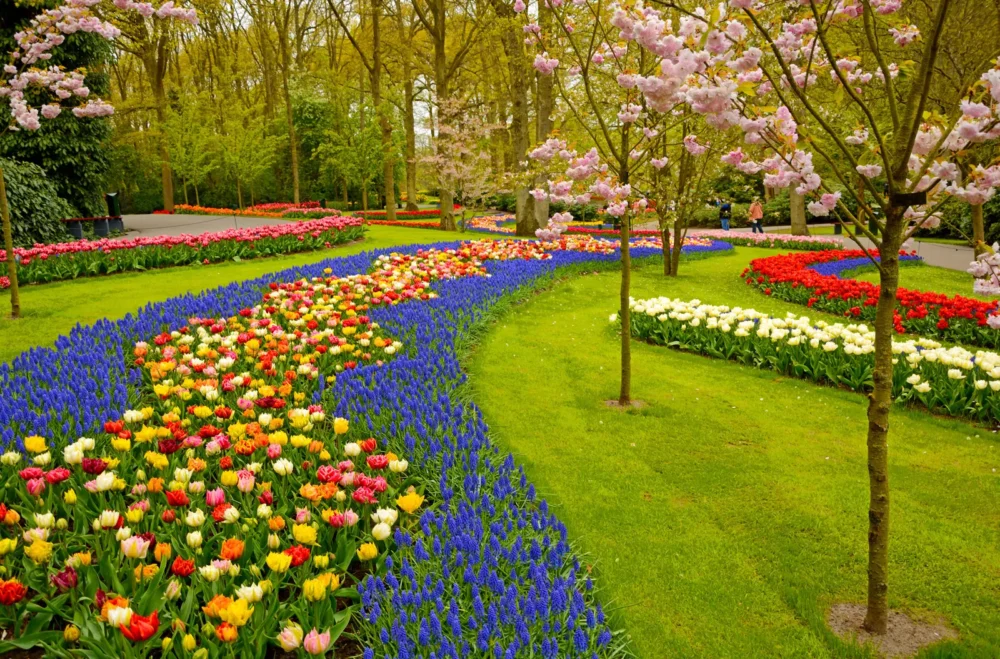
Gardens are not merely patches of greenery; they are living canvases that reflect personality, creativity, and environmental mindfulness. From lush floral arrangements to functional vegetable plots, a garden is a dynamic space that combines beauty, sustainability, and practicality. Understanding the depth and potential of garden design can transform any outdoor space into a sanctuary of growth, relaxation, and ecological balance.
The Multifaceted Benefits of a Well-Designed Garden
Gardens provide far more than aesthetic pleasure. A thoughtfully planned garden offers multiple benefits, influencing health, environment, and social interactions.
Physical and Mental Health Advantages
Spending time in a garden has been scientifically shown to reduce stress and promote mental well-being. The act of gardening encourages physical activity, improving cardiovascular health, flexibility, and muscle strength. Gardening tasks such as pruning, digging, and planting engage multiple muscle groups and provide a low-impact form of exercise.
Mentally, gardens serve as spaces for mindfulness and reflection. Exposure to natural light, fresh air, and greenery stimulates serotonin production, which helps alleviate anxiety and depression. Garden environments also enhance cognitive function, especially in children and older adults, promoting learning, focus, and memory retention.
Environmental and Ecological Contributions
Gardens play a critical role in environmental sustainability. A well-planned garden can:
- Support biodiversity: By cultivating native plants, a garden provides habitat and nourishment for pollinators such as bees, butterflies, and birds.
- Improve air quality: Plants naturally filter pollutants and produce oxygen, contributing to healthier air in surrounding areas.
- Manage water resources: Through rain gardens, mulching, and efficient irrigation, gardens can reduce water runoff and improve groundwater replenishment.
- Mitigate urban heat: Green spaces absorb sunlight, reduce surrounding temperatures, and counteract the urban heat island effect.
Economic and Lifestyle Benefits
Beyond health and ecology, gardens can add tangible value to properties. Landscaped gardens increase curb appeal, potentially enhancing property prices. They also provide spaces for growing herbs, vegetables, and fruits, reducing grocery costs and promoting self-sufficiency.
Moreover, gardens foster social connections. Outdoor spaces designed for gatherings, meditation, or leisure can strengthen family bonds, host community events, and create inclusive spaces for interaction.
Understanding Garden Styles and Designs
Creating an effective garden starts with understanding different styles and how they align with personal taste, environmental conditions, and intended functionality.
Formal Gardens
Formal gardens emphasize symmetry, geometry, and structured layouts. Characterized by meticulously trimmed hedges, aligned pathways, and uniform plantings, formal gardens evoke elegance and order. Common elements include:
- Topiary sculptures: Shaped shrubs that provide visual focal points.
- Stone pathways: Structured walkways that guide movement through the space.
- Focal water features: Fountains or reflecting pools that anchor the design aesthetically.
Informal Gardens
In contrast, informal gardens celebrate naturalistic layouts and asymmetry. Curved paths, varied plant heights, and freely flowing flowerbeds create a relaxed and organic ambiance. Informal gardens encourage creativity and ecological diversity, often integrating native species that thrive with minimal intervention.
Specialty Gardens
Specialty gardens focus on specific functions or themes. These can include:
- Vegetable and herb gardens: Prioritize productivity, seasonal planting, and soil management.
- Zen gardens: Minimalist spaces designed for meditation, incorporating rocks, gravel, and sparse vegetation.
- Butterfly or pollinator gardens: Focus on attracting wildlife with nectar-rich plants and water sources.
- Sensory gardens: Engage multiple senses through fragrant plants, textured foliage, and ambient sound elements like water or wind chimes.
Selecting Plants for Your Garden
Plant selection is arguably the most critical element of garden design. Choosing species suited to the local climate, soil, and sunlight conditions ensures long-term success and sustainability.
Native vs. Exotic Plants
- Native plants: Adapted to local conditions, they require less water, fertilizer, and maintenance. They also support local ecosystems and pollinators.
- Exotic plants: Often chosen for ornamental appeal, unique textures, or seasonal interest, but they may require additional care and can sometimes become invasive.
Planting Strategies for Year-Round Appeal
- Layering and zoning: Use a combination of ground covers, shrubs, and taller plants to create depth and visual interest.
- Seasonal rotation: Incorporate plants that bloom at different times to maintain a vibrant appearance year-round.
- Companion planting: Strategically placing certain plants together can enhance growth, repel pests, and optimize soil health, particularly in vegetable and herb gardens.
Soil Preparation and Fertilization
Healthy soil is the foundation of any thriving garden. Regular soil testing informs nutrient supplementation and pH adjustments. Organic compost and mulches improve soil structure, retain moisture, and support microbial life crucial for plant health.
Water Management and Irrigation Techniques
Efficient water use is vital for sustainable gardening. Modern irrigation techniques minimize waste while ensuring plants receive adequate hydration.
- Drip irrigation: Delivers water directly to plant roots, reducing evaporation and runoff.
- Rainwater harvesting: Collects and stores rainwater for garden use, reducing reliance on municipal water supplies.
- Mulching: Maintains soil moisture, prevents weed growth, and regulates soil temperature.
- Water-wise landscaping: Incorporates drought-tolerant plants and xeriscaping principles to conserve resources.
Incorporating Functional and Decorative Features
Beyond plants, thoughtful integration of structures and features can elevate a garden’s functionality and aesthetic appeal.
Pathways and Walkways
Pathways guide visitors through the garden and define distinct zones. Materials such as stone, gravel, or reclaimed wood can enhance the garden’s style while providing durability. Curved paths evoke a sense of exploration, while straight pathways communicate order and formality.
Water Features and Ponds
Water elements introduce tranquility and visual interest. Ponds, waterfalls, and fountains not only enhance aesthetic appeal but also attract wildlife, contributing to biodiversity. Proper maintenance, including filtration and periodic cleaning, ensures long-term sustainability.
Seating and Outdoor Living Spaces
Benches, pergolas, and gazebos provide areas for relaxation and social interaction. Positioning seating to maximize shade, views, or privacy enhances comfort and usability. Outdoor lighting, strategically placed, extends usability into the evening hours and highlights key features.
Maintenance Practices for Long-Term Garden Health
A garden’s success depends on consistent and strategic maintenance.
- Pruning and trimming: Maintains plant health, encourages growth, and shapes design elements.
- Pest management: Combines physical barriers, beneficial insects, and eco-friendly treatments to protect plants.
- Seasonal cleaning: Removing dead leaves, debris, and weeds prevents disease and maintains aesthetic quality.
- Soil rejuvenation: Annual or biannual composting and fertilization replenish nutrients and improve soil structure.
Sustainable Practices for Modern Gardens
Sustainability is no longer optional; it is a critical aspect of contemporary gardening. Practices that reduce environmental impact while promoting ecological balance include:
- Composting kitchen and garden waste to reduce landfill contributions and create nutrient-rich soil.
- Implementing pollinator corridors to ensure continuity of habitats and food sources.
- Using biodegradable pots and tools to minimize plastic and chemical exposure.
- Encouraging permaculture principles, integrating food production, water conservation, and native plantings into a cohesive ecosystem.
Technology in Modern Gardening
Technological advancements have made gardening more efficient and accessible. Smart irrigation systems, soil sensors, and mobile applications enable monitoring of soil moisture, plant health, and weather conditions, allowing gardeners to make data-driven decisions. Automated lighting, temperature controls for greenhouses, and robotic mowers reduce labor while optimizing garden productivity and aesthetics.
Creating Personal Connection Through Gardens
Ultimately, a garden is an extension of self-expression and personal taste. Every plant choice, pathway, and water feature contributes to the story a garden tells. Regular interaction, observation, and care cultivate a deeper connection, transforming a simple outdoor space into a living sanctuary that grows alongside its caretakers.
Engaging Multiple Senses
A truly immersive garden appeals to sight, sound, smell, and touch. Fragrant blooms like lavender or jasmine engage smell, textured foliage provides tactile stimulation, rustling grasses create sound, and vibrant colors captivate sight. This multi-sensory engagement enhances enjoyment and promotes mental well-being.
Educational and Community Potential
Gardens offer educational opportunities, particularly for children. Teaching plant biology, seasonal cycles, and sustainable practices instills appreciation for nature and responsibility. Community gardens foster social cohesion, provide fresh produce, and serve as platforms for environmental advocacy.
Frequently Asked Questions About Gardens
1. What is the ideal garden size for urban spaces?
Urban gardens can be effective even in limited spaces. Container gardening, vertical planting, and rooftop gardens maximize space without sacrificing plant diversity.
2. How do I select plants suitable for my climate?
Start by researching local native species. Consider sunlight, rainfall patterns, soil type, and seasonal temperature ranges. Local horticultural societies can provide region-specific recommendations.
3. Can a garden reduce energy costs at home?
Yes, strategic planting of trees and shrubs can provide shade, reduce heat absorption, and act as windbreaks, reducing heating and cooling costs.
4. How can I attract pollinators without harming plants?
Plant a variety of nectar-rich flowers, avoid chemical pesticides, and provide shallow water sources. Including native flowering plants encourages natural pollination.
5. Are indoor gardens practical?
Indoor gardens are feasible using container plants, hydro
ponics, or vertical green walls. They improve air quality and can be maintained with artificial lighting and controlled watering systems.
6. How much maintenance does a garden require?
Maintenance depends on the garden type and plant selection. Formal gardens demand regular pruning and structured care, while informal and native gardens typically require less frequent intervention.
7. What are the best strategies for sustainable gardening?
Incorporate composting, rainwater harvesting, native plantings, integrated pest management, and efficient irrigation systems to minimize environmental impact.
Gardens are more than landscapes; they are living systems that nurture the body, mind, and community. Thoughtful planning, informed plant selection, and sustainable practices ensure that gardens thrive, offering beauty, health, and ecological benefits for years to come.


