Key Takeaways
Expert landscape design marries science with art, forming outdoor spaces that are both visually striking and comfortable. Professionals account for environmental variables, ensuring plants and materials not only coexist but thrive over time.
A landscape that is thoughtfully designed can boost a property’s value by as much as 15%. This makes first impressions especially vital in real estate. Features such as outdoor living areas and native plant selections not only serve practical purposes but also enhance the aesthetic appeal for potential buyers.
Customized landscaping solutions consider individual preferences and the unique characteristics of sites, elevating properties beyond ordinary designs. When personal touches are included, it leads to greater environmental resilience, decreased maintenance requirements, and functionalities that suit various activities.
Selecting the right landscape company entails a careful evaluation of their portfolio variety, necessary certifications, and client reviews to ensure alignment with project needs. A comprehensive examination of a company’s past work reveals their adaptability and capacity to meet client specifications.
Understanding the service packages landscape companies provide is crucial for aligning project goals with what’s available. Increased customization options and long-term maintenance strategies enhance the overall impact and enjoyment of landscaped environments.
Regular maintenance plays a crucial role in maintaining the vibrancy and structural soundness of landscapes. Scheduled practices, such as pruning and timely watering, help preemptively address potential issues. Developing a personalized maintenance strategy guarantees landscapes retain their beauty throughout the year.
Adopting sustainable practices in landscape management is advantageous not just for the environment, but also for property owners. This approach can lead to lower maintenance costs while promoting ecological health. Utilizing native plants and organic methods fosters a more symbiotic relationship with nature, enhancing the landscape’s overall longevity.
Crafting Landscapes: The Essential Role of Expert Design
Why Professional Designers Make a Difference
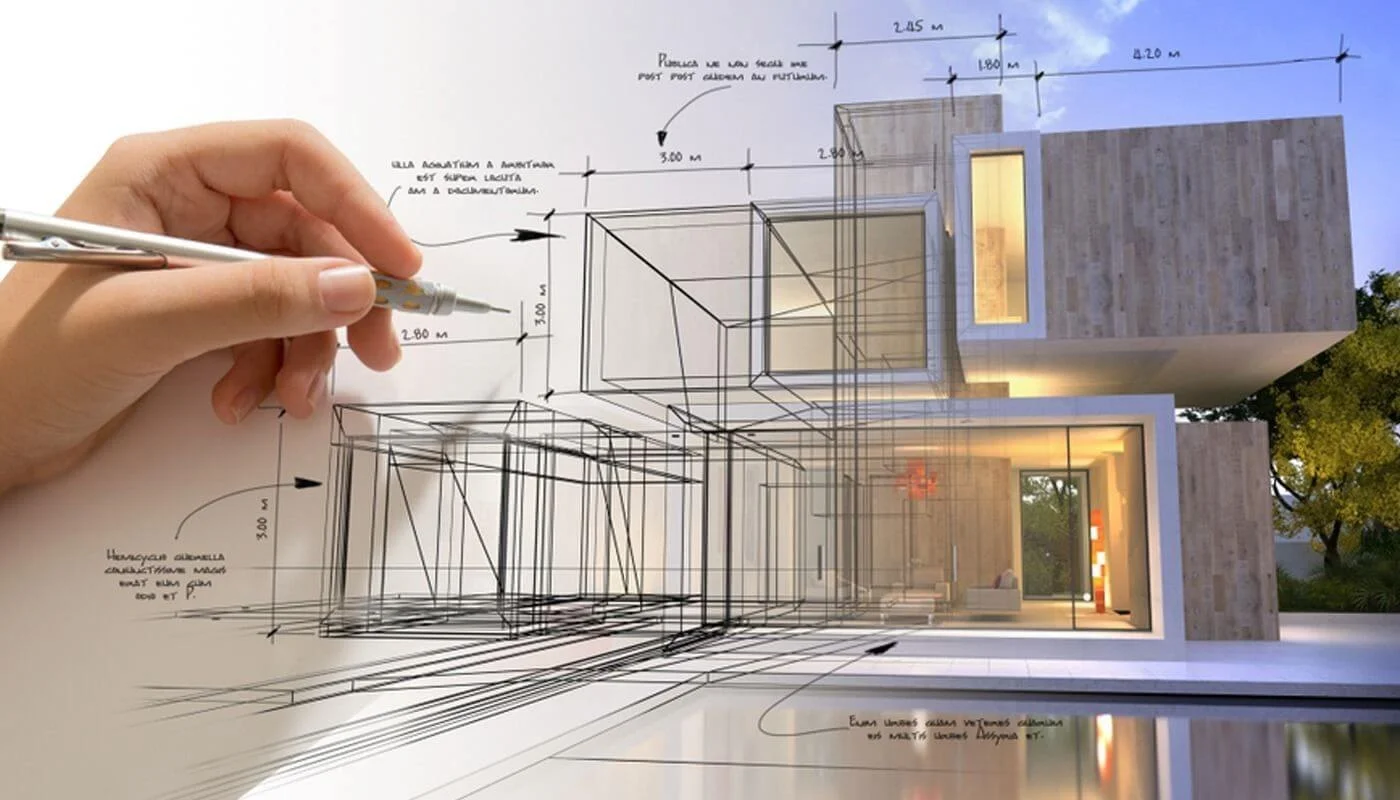
In outdoor spaces, the influence of a professional designer is significant. Their expertise goes beyond aesthetics; it integrates science and art. Designers know how to achieve visual balance, honor natural ecosystems, and anticipate future interactions among plants and materials. This isn’t just guesswork – it’s informed by years of solid practice. Experienced designers take into account the environment holistically, affecting usability and comfort.
Picture approaching a property that genuinely enchants. Vivid colors, careful textures, and harmonious structures beckon exploration. Well-placed pathways guide visitors to stunning flora, each element unveiling its own narrative. Designers collaborate intimately with clients, bringing their visions to life in ways that reflect personal style while preserving ecological harmony. Why settle for anything less when a refined plan is at hand?
The Impact of Design on Property Value
Real estate hinges on first impressions, and a captivating outdoor space can greatly enhance perceived property value. A well-executed landscape might elevate a home’s worth by approximately 15%. While aesthetics are important, it’s the marriage of beauty and functionality that truly captures discerning buyers’ attention. Features geared towards utility, such as outdoor living spaces or native plant selections, are key elements in today’s market.
- First impressions matter; professional design ensures your landscaping stands out.
- Incorporating hardscapes, including patios, extends usable outdoor areas.
- Native plants are visually appealing and beneficial, drawing local wildlife and enhancing ecological appeal.
Experts assert that a cohesive design approach is vital. Disparate areas may leave owners feeling lost, as harmony and function are what discerning clients seek. Attention to detail offers a significant return on investment, reinforcing the need for expert insight.
Benefits of Customized Landscaping Solutions
Customized landscaping unlocks endless possibilities. While standard solutions have their charm, personalization elevates a property to a whole new level. Tailored designs consider personal preferences, site specifics, and desired outcomes. Factors like weather conditions, sunlight exposure, and local wildlife significantly influence what will thrive in any given context.
Here are some key benefits of customized solutions:
- Personalization: Designs resonate with individual tastes and lifestyles, leading to distinctive outdoor spaces.
- Environmental resilience: Embracing native plants often reduces the need for maintenance and watering.
- Increased functionality: Outdoor areas can be designed for specific activities like family gatherings or solitary retreats.
The message is clear: customized landscapes not only enhance beauty but also fulfill practical needs, connecting owners to their outdoor environments in meaningful ways.
How to Choose the Right Landscape Company for Your Projects
Key Qualities to Look For in a Landscape Provider
Choosing a landscape company should be a thoughtful process, not a game of chance. Professionals recommend evaluating certain qualities that reflect competence and creativity. First, assess the strength of their portfolio. Previous work showcases both their stylistic range and adaptability, offering insights on how they tackle various challenges and meet diverse client needs.
Certifications and professional affiliations carry weight as well. Partnering with a Texas landscape company that belongs to reputable associations highlights their commitment to industry standards and ethics. Client testimonials serve as valuable guides too. After all, word of mouth often provides a trustworthy gauge of service performance.
- Portfolio diversity: Confirm their ability to manage a broad array of styles and techniques.
- Certifications: Look for proof of professionalism and adherence to industry benchmarks.
- Client feedback: Positive reviews reinforce trust and suggest satisfaction.
Altogether, these components create a comprehensive overview of potential partners in enhancing landscapes.
Questions to Ask Before Hiring a Designer
Crucial questions should be directed to any potential designer. This preliminary dialogue can reveal how closely they align with a client’s vision and practical requirements. For example, asking about their design process offers insight into how they meld creativity and strategy. How do they value client feedback? Do collaborative brainstorming sessions form part of their process?
Another important line of inquiry pertains to their knowledge of local plants and climate. A designer familiar with these aspects can offer invaluable perspective, ultimately steering the project toward sustainability and success. It’s also important to ask about timelines, budget management, and potential challenges during execution. Transparency is vital in fostering a successful partnership.
- What does your design process involve?
- How do you integrate client feedback?
- Are you experienced with the local ecosystem?
- What are your estimated timelines and costs?
Understanding Service Packages and Offerings
Each landscape company offers a range of unique services. While basic offerings usually comprise design, installation, and maintenance, firms like MasterScapes® frequently provide a host of specialized options. Service packages may include things like irrigation systems, lighting features, and seasonal floral updates. Knowing what’s available can significantly shape the project’s scope and success. Some companies offer design consultations tailored to specific financial plans, while others may have maintenance contracts to ensure prolonged success.
Thus, understanding the flexibility of their service packages is essential. Are there options for add-ons? Can services be tailored to fit individual needs? Being well-informed saves time and resources, allowing clients to concentrate on the vision for their space.
- Package diversity: Ensure the company can accommodate all design needs.
- Customization: Inquire into how services can be adapted.
- Long-term care: Determine maintenance options available after installation.
Transforming Spaces: Successful How-Tos in Landscape Design
Essential Elements of a High-Impact Landscape
High-impact landscapes artfully combine various elements to achieve that “wow” factor. Striking a balance is crucial, and professionals stress the significance of structure, texture, color, and light. Each facet interacts to enhance the overall experience; when details are attended to, a solid design can transform into something extraordinary.
Balancing soft and hard elements creates dynamic contrast. Plants bring softness, while materials like patios or stone pathways offer stability. Lighting can unveil new dimensions at night, encouraging exploration and interaction. Residents and visitors alike recognize and appreciate a meticulously designed space that seeks engagement.
- Structured features: Pathways, walls, and terraces aid in organization.
- Textural variety: Mixing various plant types fosters visual interest.
- Accent lighting: Illumination that serves both practicality and ambiance amplifies usability.
The pursuit of a striking landscape involves balancing various elements, leading to an inviting and multifunctional outdoor environment.
Case Studies: Stunning Transformations in Residential Areas
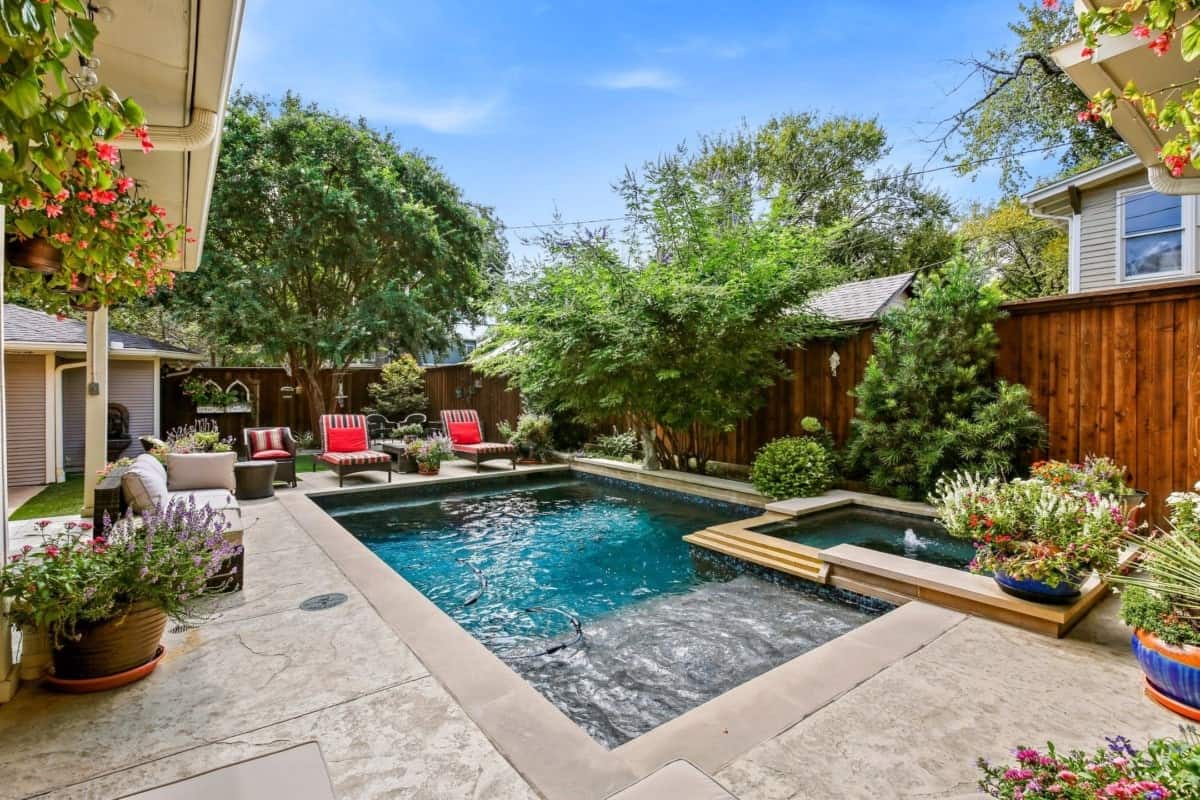
Witnessing transformative projects can entirely change perspectives. Consider a neglected backyard in Abilene; initial assessments only revealed a dull patch of grass. After a design firm applied its expertise, the space evolved into a welcoming oasis, complete with an outdoor entertainment area, native plants, and artfully placed stones. This previously lackluster area became the hub of family gatherings.
Such real-life instances exemplify the tangible advantages of expert design. The transformation journey reflects how careful planning can yield not just beauty, but enhanced livability.
“Transforming spaces isn’t merely an aesthetic endeavor; it’s about creating environments where individuals can flourish and forge connections.”
In Wichita Falls, commercial properties too benefit from refreshed curb appeal. One notable transformation involved updating exterior signs surrounded by vibrant landscapes dotted with flowering plants, creating an inviting atmosphere. The subsequent uptick in foot traffic affirmed the impact of strategic design approaches.
Commercial Landscape Design: Maximizing Curb Appeal
For commercial properties, curb appeal is vital in attracting desired clientele. With strategic planning, businesses can reimagine their exterior spaces, turning them into compelling invitations for potential customers. The outside environment sets the tone, speaking volumes before anyone steps through the door. Attractive plant arrangements, integrated signage, and functional outdoor waiting areas all contribute significantly to an inviting atmosphere.
Establishing designated outdoor seating areas gives visitors a comfortable space to unwind and savor the surroundings. Elements that catch the eye—like colorful containers or seasonal displays—can significantly boost perceived value. While it’s no small feat, well-thought-out designs present exciting opportunities to enhance brand identity.
- Effective signage: Combine visuals with well-chosen landscaping for impact.
- Seating options: Design outdoor areas for relaxation.
- Seasonal interest: Incorporate changing plant life to keep spaces vibrant.
Thoughtfully crafted landscapes not only elevate aesthetic appeal but also align with overarching business goals.
Keeping Your Landscape Thriving: Maintenance and Beyond
Why Regular Maintenance Matters for Longevity
After a landscape is designed and installed, many property owners unwittingly fall into the trap of neglecting maintenance. However, regular upkeep is imperative for preserving a space’s original vibrancy. Different plants have varying care needs depending on the season, while hardscape features may require additional attention to maintain their structural integrity over time.
Companies that prioritize ongoing maintenance help in preserving and enhancing initial investments. Understanding the unique needs of each space is key. Implementing a detailed maintenance plan helps prevent issues before they arise. Customized planting schedules, pruning strategies, and seasonal adjustments are essential for ensuring that landscapes maintain their appeal.
- Scheduled pruning: Promotes growth and prevents decay.
- Timely watering: Adjust based on weather fluctuations—too much or too little can be harmful.
- Soil testing: Confirms the right nutrient levels for plants.
Maintenance should enhance enjoyment rather than serve as a burden.
Effective Strategies for Seasonal Landscape Care
As seasons change, tailored strategies become essential, responding to unique environmental conditions each time. In spring, preparation begins with pruning and planting fresh blooms that burst into vibrant colors. Summer prompts regular watering and vigilance against pests, while fall brings the necessity of tidying landscapes as leaves fall. Even winter requires attention; proactive measures prevent damage due to unpredictable weather and prepare landscapes for renewal.
These cyclical changes provide opportunities for owners to reflect on how landscapes develop over time. Adapting care strategies contributes to longevity and allows properties to impress in every season.
- Spring: Initiate growth with pruning and fertilization.
- Summer: Adjust watering schedules according to heat conditions.
- Fall: Manage fallen leaves and protect plants.
- Winter: Plan for the upcoming blooming season.
Being proactive promotes the landscape’s longevity and deepens appreciation of the outdoor space.
Incorporating Sustainable Practices in Landscape Management
Sustainability is not merely a trend; it represents a core methodology for maintaining landscapes in an Earth-friendly manner. Utilizing native plants, embracing xeriscaping techniques, and opting for organic fertilizers are just a few practical steps towards a commitment to responsible practices. Such strategies not only benefit the environment but also reduce ongoing costs related to water usage and maintenance.
By emphasizing sustainable methods, clients can achieve gardens that thrive without depleting local resources. Simple initiatives—like rain gardens to capture runoff and permeable paving—can create meaningful improvements. It’s about coexisting harmoniously with nature, rather than waging a battle against it.
- Native plants: Typically require less water and minimal maintenance.
- Organic practices: Help reduce the use of harmful chemicals.
- Rain gardens: Boost biodiversity while managing water runoff effectively.
Embracing sustainability not only furthers personal goals but also benefits communities, securing a better environment for future generations.
FAQ
What should a budget for a landscaping project typically include?
A comprehensive landscaping budget typically covers design fees, materials, installation expenses, and ongoing maintenance. It’s also advisable for clients to set aside funds for unexpected costs, such as soil amendments or unplanned plant purchases. Having a budget cushion can help accommodate changes in project scope.
How often should landscaping maintenance be scheduled?
How often maintenance occurs depends on the landscape design and plant types in play, but regular check-ups every few weeks tend to be standard. Seasonal adjustments are also vital, ensuring care aligns with atmospheric conditions. This proactive stance helps prevent challenges and encourages healthy growth.
Can landscaping increase energy efficiency in a home?
Certainly. Well-planned landscaping can enhance energy efficiency by offering natural shade, which helps lower cooling costs during warmer months. Strategically placing trees by windows or implementing green roofs can add insulation. It’s all about leveraging nature for improved energy savings.
What types of plants are best for low-maintenance landscapes?
For low-maintenance landscapes, native plants shine since they’re already adapted to the local climate, often requiring less water and care. Drought-resistant varieties and ground covers, like ornamental grasses, work wonderfully, adding beauty without demanding excessive upkeep.
How does landscape design contribute to residential privacy?
Effective landscape design utilizes trees, shrubs, and hedges to create natural screens that enhance privacy. Smart layering of plants can shield outdoor areas from view, allowing homeowners to revel in their spaces without feeling exposed. It’s all about nurturing a comforting and secluded environment.
What role does irrigation play in landscape maintenance?
Irrigation is critical for sustaining healthy landscapes, particularly in regions with erratic rainfall. A well-conceived irrigation system guarantees efficient water consumption, preventing both over- and under-watering while supporting plant health. Advanced irrigation technology can adapt automatically to weather conditions.
What are the benefits of incorporating outdoor lighting into landscape design?
Outdoor lighting elevates both the aesthetic appeal and safety of landscaped environments. It highlights features such as pathways, flora, and structural elements, creating an inviting atmosphere. Additionally, effective lighting can deter unwanted visitors while facilitating enjoyable gatherings during the evening hours.
How can clients ensure that their landscape design aligns with local regulations?
To ensure compliance with local regulations, clients should familiarize themselves with zoning laws and property restrictions before embarking on any landscaping projects. Consulting with the chosen design firm to discuss adherence to necessary permits and guidelines can avoid future complications. Staying updated on local ordinances is vital for smooth execution of plans.
Useful Resources
- American Society of Landscape Architects (ASLA)– A professional organization that advocates for the landscape architecture field.
- Texas State Government– Offers information on local regulations and landscaping resources in Texas.
- Early Detection & Distribution Mapping System (EDDMapS)– A valuable resource for tracking invasive species, crucial for sustainable landscaping.
- eXtension– The Cooperative Extension System providing research-based landscaping and horticultural resources.
- Arbor Day Foundation– Knowledge on how to plant and maintain healthy trees and landscapes.
- Saving Water Partnership– Resources focused on efficient irrigation practices and sustainable landscaping.
- Naples Garden Club– Offers educational resources regarding gardening and landscape design principles.
- Plant Native– A source of information on native plants and their benefits for local ecosystems.
- Green Industry Pros– Provides industry news, best practices, and resources for landscape professionals and property owners.