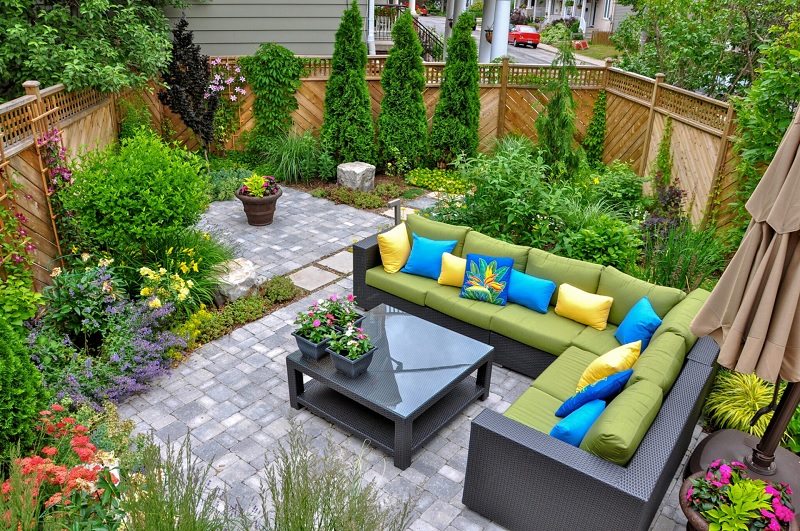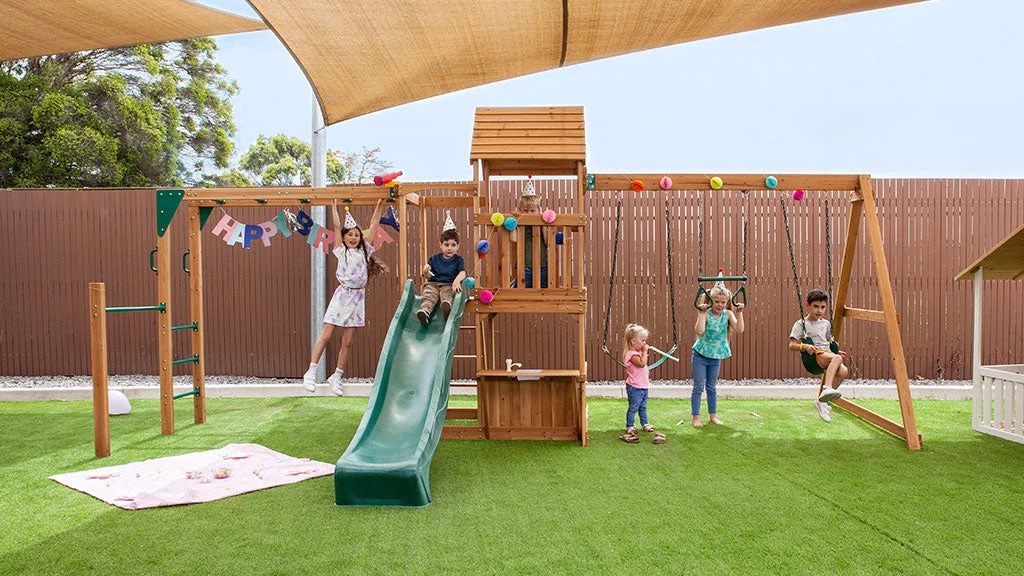
A compact backyard can still give children a satisfying place to play. The difficulty is deciding what deserves permanent space. A large structure, a table, a garden bed and an open area for games may all be useful, but they cannot all occupy the same patch of ground.
Thinking vertically can help. Instead of spreading every activity across the lawn, some families consider Monkey Bars as part of a carefully measured climbing area. The important word is “measured”. Equipment must have enough suitable space around it, and a small yard works best when there is still room to move comfortably.
Draw a simple plan first
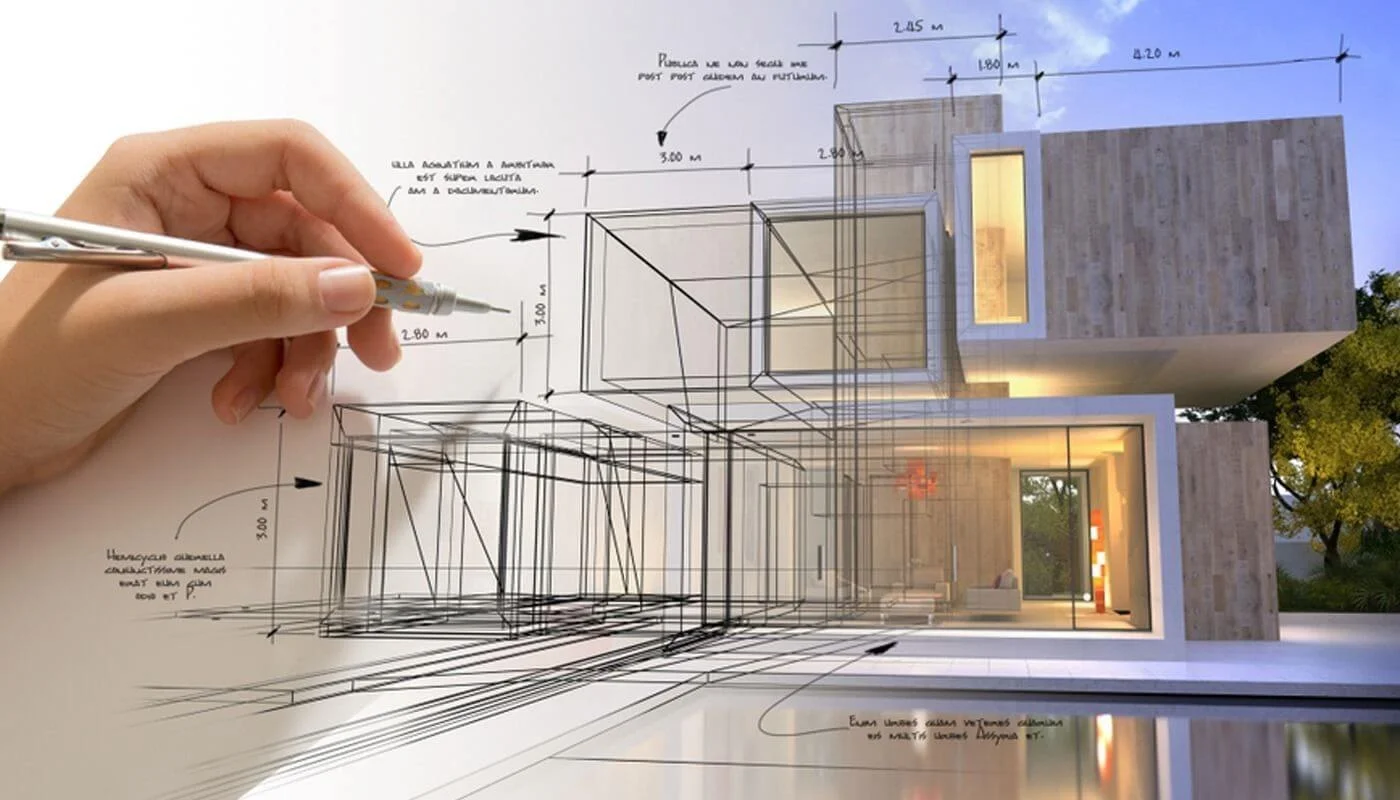
You do not need professional drawings to begin. Measure the yard and sketch the boundaries, doors, paths, garden beds and existing furniture. Mark any areas that must stay clear, such as access to a shed or washing line. Then add the dimensions and clearances of equipment you are considering.
A paper plan can reveal problems that are hard to spot while standing outside. A frame may fit on the ground but block the easiest route from the house. A slide may point towards a fence. Move the shapes around on the plan before committing. It is much cheaper to adjust a drawing than an installed structure.
Protect an open patch
Even a modest area of clear ground can be valuable. Children can use it for skipping, chalk games, building with loose materials or simply running a few steps. If every corner contains fixed equipment, a small yard may feel more crowded than it needs to.
Identify the open space you want to keep, then plan around it. The patch does not have to be in the middle or perfectly rectangular. It just needs to be usable. Consider whether outdoor furniture can move occasionally, allowing the same space to serve adults at one time and children at another.
Give equipment a clear purpose
In a limited space, each permanent feature should earn its place. Ask what kind of play it offers and whether children already enjoy that activity. A feature that looks impressive but rarely gets used may be less valuable than a simpler one that invites play every afternoon.
Avoid choosing several pieces that do essentially the same job. If climbing is a priority, you may not need multiple separate climbing structures. If imaginative play matters more to your children, preserve an area where they can create games with portable materials. A small yard benefits from deliberate choices rather than an attempt to include everything.
Check the full movement area
Equipment dimensions do not tell the whole story. Children need to approach, use and leave it safely. A swing moves beyond the space taken by its frame. A slide needs an appropriate area at its end. A climbing structure requires the clearances specified for that model.
Follow the manufacturer’s guidance rather than treating unused strips beside a fence as automatic play space. Imagine two children using the yard at once. Can one move past while the other plays? Can an adult reach them when needed? These questions help distinguish a workable layout from one that fits only on paper.
Use portable activities for variety
Not every play idea needs a permanent place. Chalk, balls, water play materials and simple obstacle-course items can be brought out when appropriate and stored afterwards. Portable options let a small yard change its purpose throughout the week.
Storage makes this easier. A weather-suitable box or accessible shelf can keep a few favourites ready without scattering them across the ground. Involve children in choosing what to bring out. They may create more imaginative games with three familiar objects than with a crowded collection they can barely find.
Think about shade and surfaces
Small yards can feel especially hot when paving, walls and fences hold warmth. Notice where the sun falls during the hours children normally play. A position that looks perfect on a cool morning may be uncomfortable on a summer afternoon. Plan for shade and drinking water, and adjust play times when conditions require it.
Ground surfaces also affect how the space works. Muddy access can make one corner difficult to use, while a hard edge close to active equipment may need attention. Check the installation requirements for fixed play features and keep surfaces maintained. The aim is to make the whole yard pleasant, not just fit a product into it.
Keep supervision practical
A compact space is often easy to see from the house, but equipment and planting can create hidden corners. Look at the yard from the places where adults usually sit or work. Consider how the view might change as shrubs grow or children build temporary games around the equipment.
Keep access routes clear enough for an adult to move through quickly. Avoid using the gap behind a structure as storage if children may also try to go there. A layout that supports supervision can feel less restrictive for children because adults do not need to interrupt play as often.
Leave room to change your mind
Children’s interests and family needs will change. That is a good reason to avoid filling every available metre in one purchase. Start with the feature you are most confident the children will use and live with the layout for a while.
You may discover that the remaining space is best used for gardening together, a small table or nothing permanent at all. A successful small backyard has breathing room. With careful measurements, suitable equipment and a few portable activities, it can offer plenty of play without feeling packed.