Homeowners often have questions about what role a crawl space plays and whether it is the right foundation style for their property. A crawl space is a hollow area beneath the home that raises the structure off the ground, providing access to plumbing, wiring, and ventilation. For many, it is an important feature that influences comfort, energy efficiency, and long-term stability.
When exploring your options, it helps to learn about the advantages and challenges that come with this type of foundation. Many homeowners searching for crawl space in Fredericksburg want to know if their property is built on the right system and how to protect it best.
What Is the Purpose of a Crawl Space?
The primary role of a crawl space is to create a buffer between the home and the ground. This space allows for easy access to pipes, ductwork, and electrical systems, which makes maintenance simpler. It also helps elevate the home to reduce flood risks in areas prone to moisture.
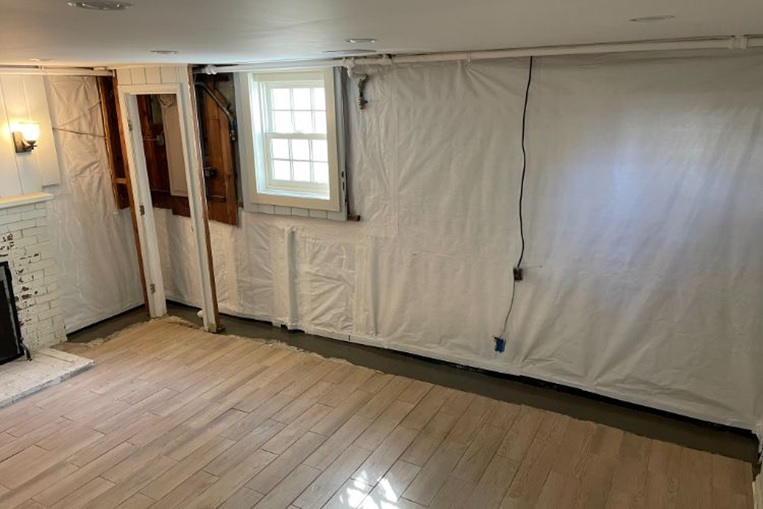
In addition, crawl spaces improve airflow beneath the house. When properly insulated and sealed, they can contribute to a healthier indoor environment by preventing dampness and musty odors. Homeowners who keep their crawl spaces dry and sealed often enjoy better indoor comfort year-round.
Is a Crawl Space Good for a Home?
Many homes benefit from having a crawl space foundation because of the convenience it offers for repairs and upgrades. Unlike a slab, it provides an accessible area for professionals to reach mechanical systems without costly excavation.
Crawl spaces are especially useful in regions with varying soil conditions or higher moisture levels, since they reduce direct contact between the house and the ground. They also provide a level of protection against termites and other pests when properly sealed.
Crawl Space vs. Basement: What’s the Difference?
Both crawl spaces and basements elevate a home, but they serve different purposes. Basements typically offer full-height living or storage space, while crawl spaces are shallower and meant primarily for utility access.
A crawl space is less expensive to build compared to a basement. However, it does not provide the additional living area or storage capacity that a finished basement can offer. For families who want extra square footage, a basement is the preferred option, but for those seeking easier access to systems and a more budget-friendly choice, a crawl space often makes more sense.
Can You Turn a Crawl Space Into a Basement?
In theory, a crawl space can be dug out and expanded into a basement, but the process is expensive and labor-intensive. It involves excavation beneath the house and reinforcing the foundation. For most homeowners, this option is not practical unless they are pursuing a major renovation project.
It is generally better to maintain and waterproof the existing crawl space rather than attempt to convert it. Adding drainage, vapor barriers, and insulation provides many of the same benefits without the high cost of expansion.
Disadvantages of a Crawl Space Foundation
While crawl spaces are beneficial, they do have some drawbacks. Without proper waterproofing, they can accumulate moisture and contribute to mold growth. In colder climates, they may also allow drafts if insulation is inadequate.
Pest intrusion is another concern. Because crawl spaces are close to the ground, they must be sealed carefully to prevent rodents and insects from entering. Regular inspections, encapsulation, and dehumidifiers are effective solutions to keep the area protected.
Is It Cheaper to Build a Crawl Space or a Basement?
Generally, building a crawl space is less expensive than constructing a full basement. Crawl spaces require less excavation and fewer materials, making them a common choice in many regions. While they do not add living space, they provide cost savings upfront while still offering accessibility for maintenance.
For homeowners who want a balance between affordability and utility, a crawl space strikes the right compromise. It gives many of the benefits of a raised foundation at a fraction of the cost of a full basement.
Life Expectancy of a Crawl Space Foundation
The durability of a crawl space foundation depends largely on soil conditions, drainage, and whether moisture protection is in place. With proper waterproofing and ventilation, crawl spaces can last for decades. Neglecting water management, however, shortens their lifespan and may lead to costly foundation repairs.
Does a Crawl Space Add Value to a Home?
Yes, a crawl space can add value because it offers practical benefits to homeowners and future buyers. Easy access to plumbing and electrical systems makes the property easier to maintain. A well-maintained crawl space also signals that the home has been properly cared for, which appeals to potential buyers.
When properly sealed and moisture-controlled, a crawl space contributes to healthier indoor air and energy savings, further boosting a home’s overall value. Buyers see this as a positive sign that the house is ready for long-term living without major structural concerns.
Conclusion
A crawl space serves an important role in supporting a home, improving accessibility, and helping with ventilation and flood protection. While it requires ongoing care to prevent moisture and pest issues, the benefits make it a valuable foundation type for many properties. If you are looking for expert solutions tailored to your home, Fredericksburg Basement Waterproofing Experts provides crawl space services designed to protect your foundation and keep your home safe.