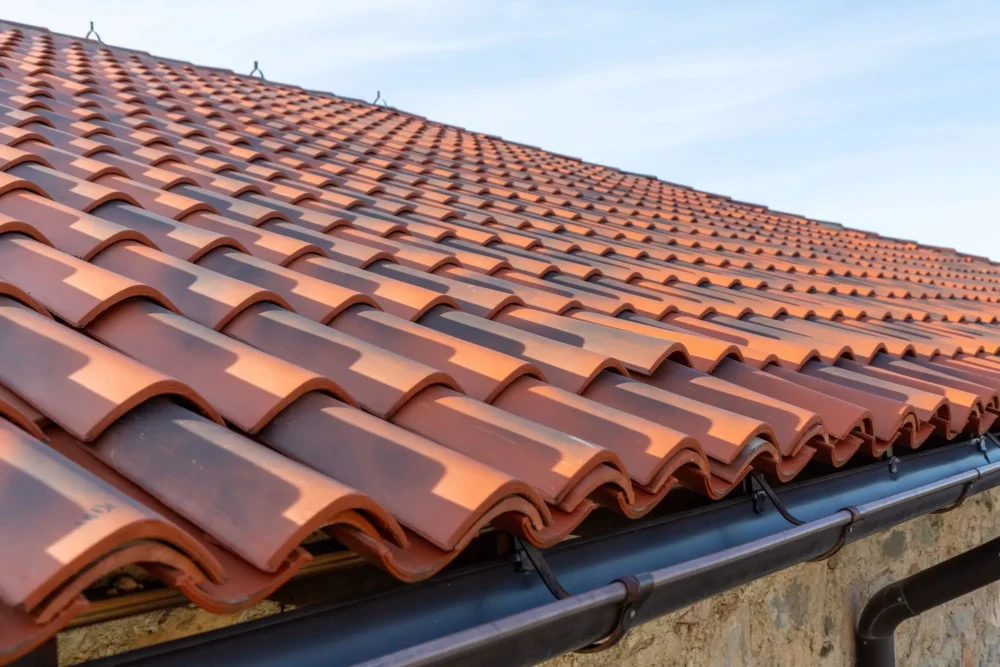
Roofing is more than just a protective layer over a building. It is a critical structural component that influences energy efficiency, home value, weather resistance, and overall durability. Understanding the diverse aspects of roofing—from material selection and installation methods to maintenance and repair strategies—is essential for homeowners, contractors, and property managers alike. This article explores roofing in depth, offering a comprehensive perspective that prioritizes quality, longevity, and practicality.
Understanding Roofing Fundamentals
Roofing is the system that shields a structure from environmental elements such as rain, snow, wind, and sunlight. It comprises multiple components including:
- Decking: The base layer that supports the roof.
- Underlayment: A water-resistant layer that provides additional protection.
- Roofing Material: Shingles, tiles, metal panels, or other surface materials.
- Flashing: Seals joints around chimneys, vents, and valleys.
- Gutters and Drainage: Direct water away from the roof and foundation.
Each of these components plays a distinct role in extending the life of a roof and ensuring structural integrity. Improper installation or material mismatch can result in leaks, thermal inefficiency, and premature deterioration.
Popular Roofing Materials and Their Applications
Choosing the right roofing material is pivotal for performance, aesthetics, and long-term maintenance. Different materials offer unique benefits and challenges.
Asphalt Shingles
Asphalt shingles are the most commonly used roofing material in the United States due to their affordability, versatility, and ease of installation. They are composed of fiberglass or organic mat layers coated with asphalt and granules.
Advantages:
- Wide range of colors and styles
- Relatively low cost
- Quick and straightforward installation
- Moderate lifespan of 20–30 years
Considerations:
- Vulnerable to high winds and extreme temperature fluctuations
- Requires periodic inspection and maintenance
- Environmental impact due to petroleum-based composition
Metal Roofing
Metal roofing is increasingly popular for both residential and commercial structures. Common metals include steel, aluminum, copper, and zinc.
Advantages:
- Exceptional durability (40–70 years lifespan)
- Lightweight and strong
- Highly reflective, improving energy efficiency
- Recyclable and environmentally friendly
Considerations:
- Higher upfront cost
- Requires professional installation for optimal performance
- Potential for noise during rain or hail unless insulated
Clay and Concrete Tiles
Clay and concrete tiles are favored in warmer climates and Mediterranean-style architecture. They offer longevity and aesthetic appeal.
Advantages:
- Extremely durable (up to 100 years)
- Resistant to fire, insects, and rot
- Excellent insulation properties
Considerations:
- Heavy, requiring reinforced roof framing
- Expensive and labor-intensive installation
- Fragile and susceptible to breakage under impact
Wood Shingles and Shakes
Wood roofing provides a natural, rustic appearance, often used in cottage-style or traditional homes.
Advantages:
- Attractive, natural look
- Can last 30–50 years if properly maintained
- Insulating properties
Considerations:
- High maintenance due to susceptibility to rot, mold, and insects
- Fire risk unless treated
- Weathering may cause color changes over time
Synthetic and Composite Roofing
Synthetic materials, including rubber, plastic, and polymer-based products, are designed to mimic traditional materials like slate or wood while offering enhanced durability.
Advantages:
- Lightweight and flexible
- Resistant to cracking, rot, and insects
- Often more affordable than natural alternatives
- Variety of design options
Considerations:
- Performance depends on material quality
- Limited long-term historical data for some products
- Requires certified installation for warranty compliance
Roofing Techniques and Installation Best Practices
Proper installation is critical to roof performance. Even the highest quality materials can fail if installed incorrectly.
Roof Deck Preparation
The roof deck must be clean, level, and structurally sound. Any damage, sagging, or moisture issues should be addressed before proceeding.
Underlayment Installation
Underlayment acts as a secondary barrier against water penetration. High-quality synthetic underlayments offer superior tear resistance and water protection compared to traditional felt paper.
Flashing and Ventilation
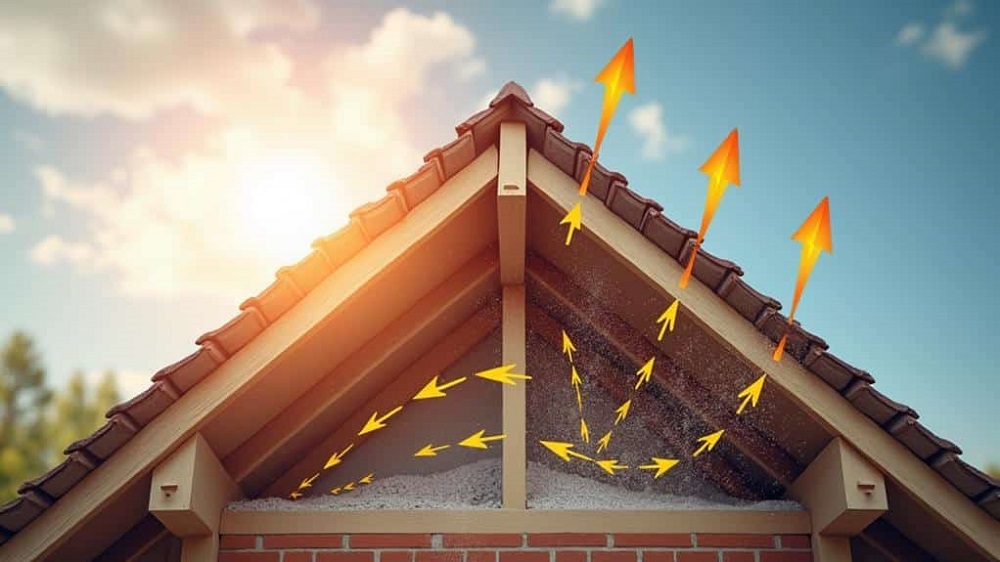
Flashing ensures water does not seep into joints or valleys. Proper roof ventilation reduces heat accumulation and moisture buildup, extending the lifespan of both the roofing material and underlying structure.
Shingle or Tile Placement
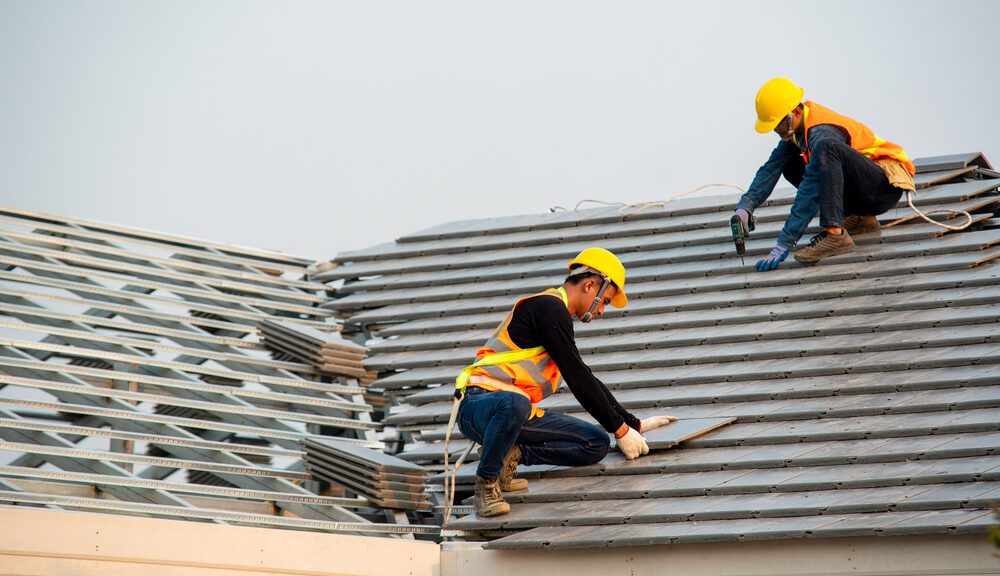
Correct alignment and secure attachment are vital. For asphalt shingles, nails should penetrate through the roofing mat into the deck. Tile and metal panels require precise fastening to avoid movement and wind damage.
Quality Assurance
A final inspection should include checking for gaps, loose fasteners, or misaligned materials. Roofing warranties are often contingent upon verified professional installation.
Maintenance and Longevity Strategies
Regular maintenance extends the lifespan of a roof and prevents costly repairs.
- Routine Inspections: Twice-yearly inspections, especially after storms, can identify minor issues before they escalate.
- Gutter Cleaning: Debris-filled gutters lead to water pooling and potential leaks.
- Moss and Algae Control: Algae-resistant shingles and periodic cleaning prevent biological growth.
- Sealant Checks: Flashing and sealants around chimneys, vents, and skylights should be examined for cracking or wear.
- Snow and Ice Management: In colder climates, removing excess snow and ice buildup prevents structural damage.
Energy Efficiency and Roofing
Roofing can significantly impact a building’s energy consumption. Reflective materials, proper insulation, and ventilation systems contribute to thermal efficiency.
- Cool Roofs: Designed with reflective coatings to reduce heat absorption.
- Green Roofs: Vegetative layers that provide insulation, stormwater absorption, and improved air quality.
- Insulation Integration: Combining high-performance roofing with adequate attic insulation minimizes heating and cooling demands.
Roof Repair and Replacement Considerations
Understanding when to repair or replace a roof is essential for budgeting and long-term planning.
Signs That Repair is Needed
- Minor leaks or water stains
- Damaged or missing shingles
- Rust or corrosion on metal roofs
- Small cracks or chips in tiles
Indicators for Replacement
- Age exceeding the expected lifespan of the material
- Widespread damage or structural compromise
- Recurrent leaks despite repairs
- Major energy inefficiency
Cost-Benefit Analysis
Investing in a high-quality roof may have a higher upfront cost but reduces maintenance, improves energy efficiency, and enhances property value. Long-term savings often justify the initial expense.
Roofing Innovations and Industry Trends
The roofing industry continues to evolve with new materials, technologies, and environmental considerations.
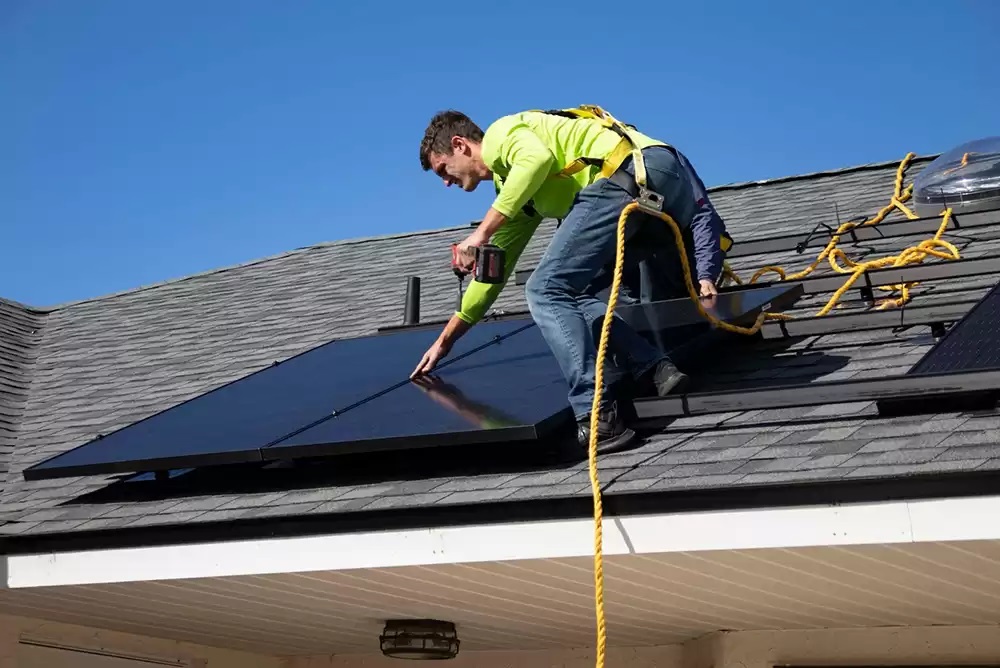
- Solar Roof Integration: Photovoltaic tiles seamlessly incorporated into roofing systems.
- Recycled Materials: Shingles made from recycled plastics, rubber, and other materials.
- Self-Healing Coatings: Advanced polymers capable of sealing minor cracks autonomously.
- Drone Inspections: Using drones for efficient, safe roof assessment, especially for large commercial properties.
Real-World Roofing Challenges and Solutions
Climate-Specific Strategies
- High-Wind Areas: Use interlocking shingles or metal panels with secure fasteners.
- Snow-Prone Regions: Steep pitches and snow guards prevent accumulation and ice dams.
- Hot Climates: Reflective coatings and ventilation mitigate heat stress.
Budget Management
Balancing quality with cost is crucial. Prioritize long-term performance over short-term savings, especially when selecting materials and contractors.
Contractor Selection
Choosing certified and experienced roofing contractors ensures compliance with building codes and warranty standards.
FAQs About Roofing
Q1: How long should a typical asphalt shingle roof last?
Asphalt shingle roofs generally last 20–30 years, though lifespan depends on climate, maintenance, and installation quality.
Q2: Can I install a metal roof over existing shingles?
Yes, in many cases metal panels can be installed over shingles, reducing labor and disposal costs. Proper underlayment and ventilation remain essential.
Q3: What maintenance does a tile roof require?
Tile roofs require inspections for broken tiles, debris removal, and flashing checks. Minor tile replacements may be needed every few years.
Q4: Are green roofs practical for residential homes?
Green roofs offer insulation and stormwater management but require structural support and maintenance. They are practical when design and weight considerations are addressed.
Q5: How do I prevent ice dams in winter?
Ensure adequate attic insulation, proper ventilation, and timely snow removal. Ice and water shields under shingles provide additional protection.
Q6: What are the signs my roof needs a full replacement?
Indicators include age beyond the material’s expected lifespan, multiple leaks, extensive shingle or tile damage, and sagging or structural compromise.
Q7: Can I improve energy efficiency without replacing the roof?
Yes, adding reflective coatings, improving attic insulation, and enhancing ventilation can reduce heat absorption and energy costs.
Roofing is a long-term investment that affects the durability, efficiency, and appearance of any building. Understanding materials, installation practices, maintenance strategies, and emerging trends ensures optimal performance and protection for decades. Prioritizing quality, professional installation, and proactive care transforms roofing from a basic necessity into a strategic asset for any property.