
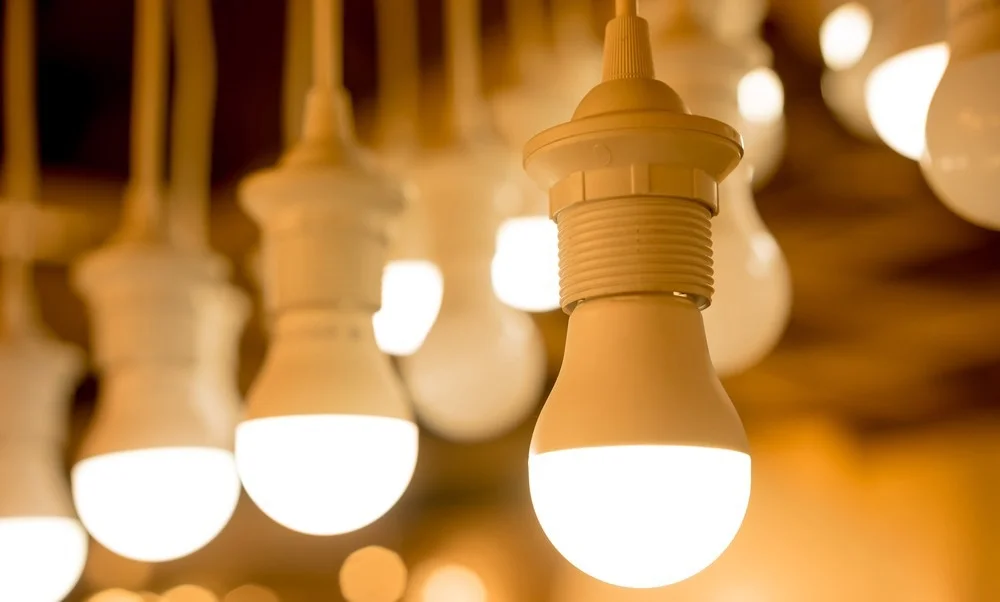
Lighting is one of the most critical elements in interior design, architecture, and even outdoor environments. The right lighting can completely transform the mood, functionality, and aesthetic appeal of a space. Beyond mere visibility, lighting plays a role in productivity, mental health, and energy efficiency. This article delves deeply into the principles, types, technologies, and practical applications of lighting, providing a detailed roadmap for anyone interested in harnessing the power of illumination.
The Science Behind Lighting
Lighting is fundamentally about controlling the flow of visible electromagnetic radiation to achieve specific goals, whether they are aesthetic, functional, or health-related. Light influences our circadian rhythms, which in turn affect sleep, alertness, and overall wellbeing. Understanding the science behind lighting ensures more effective and thoughtful application.
Color Temperature and Its Impact
Color temperature, measured in Kelvins (K), defines the warmth or coolness of a light source. It can dramatically alter the atmosphere of a space:
- Warm Light (2700K–3000K): Creates a cozy, relaxing environment ideal for bedrooms, living rooms, and hospitality areas.
- Neutral Light (3500K–4100K): Offers a balanced environment, suitable for offices, kitchens, and retail spaces.
- Cool Light (5000K–6500K): Mimics daylight, promoting alertness and concentration, making it ideal for hospitals, laboratories, and educational facilities.
Lighting designers must carefully select the appropriate color temperature to complement the intended mood and purpose of a space.
Light Intensity and Lux Levels
Lux measures the intensity of light on a surface. For example, residential living rooms typically require 100–300 lux, while reading areas demand 300–500 lux. Offices often require 500 lux or more to optimize productivity. Achieving the right lux levels ensures comfort, prevents eye strain, and enhances visibility without unnecessary energy consumption.
Types of Lighting and Their Applications
Lighting can be broadly categorized into three main types: ambient, task, and accent lighting. Each type serves a unique purpose in shaping both the functionality and aesthetics of a space.
Ambient Lighting
Ambient lighting provides general illumination to an entire area. Its goal is to create a uniform level of brightness that allows people to navigate safely and comfortably.
- Ceiling Fixtures: Chandeliers, recessed lights, and flush mounts are common ambient lighting sources.
- LED Panels: Offer energy-efficient, evenly distributed light for large areas like offices or retail stores.
- Indirect Lighting: Wall sconces or cove lighting reduce glare and soften shadows, creating a more pleasant environment.
Task Lighting
Task lighting focuses on specific areas where activities require higher visibility, such as reading, cooking, or working at a desk.
- Desk Lamps: Adjustable lamps allow users to direct light precisely where needed.
- Under-Cabinet Lights: Perfect for kitchen countertops, these provide bright, shadow-free illumination.
- Workshop and Studio Lighting: High-intensity lights help achieve precision in detailed work like crafting, painting, or engineering tasks.
Accent Lighting
Accent lighting highlights specific features, objects, or architectural elements within a space. Its main goal is to draw attention and create visual interest.
- Spotlights: Illuminate artwork, sculptures, or decorative pieces.
- Track Lighting: Flexible and adjustable, suitable for galleries or retail displays.
- Wall Grazing: Highlights textures or patterns on walls to add depth and dimension.
Modern Lighting Technologies
Technological advancements have revolutionized lighting, making it more efficient, customizable, and integrated into smart systems. Understanding these technologies helps optimize performance and energy savings.
LED Lighting
LED (Light Emitting Diode) lighting is currently the most popular choice for both residential and commercial use. Key benefits include:
- Energy Efficiency: Uses up to 80% less energy than traditional incandescent bulbs.
- Longevity: Lasts up to 50,000 hours or more.
- Flexibility: Available in various color temperatures and designs.
- Environmental Impact: Contains no mercury and reduces carbon footprint.
Smart Lighting Systems
Smart lighting integrates digital controls with traditional light sources. Users can adjust brightness, color, and timing through smartphones, voice assistants, or automated schedules.
- Dynamic Ambiance: Change color and intensity to suit different times of day or activities.
- Energy Monitoring: Track usage and optimize efficiency.
- Remote Control: Adjust lights when away from home or office, enhancing convenience and security.
Human-Centric Lighting
Human-centric lighting (HCL) focuses on aligning artificial light with human biological rhythms. By mimicking natural daylight cycles, HCL promotes health, alertness, and productivity.
- Circadian Alignment: Supports sleep and wake cycles, particularly important in workplaces and healthcare settings.
- Mood Enhancement: Adjusting color temperature throughout the day can improve overall wellbeing.
Practical Considerations in Lighting Design
Designing effective lighting involves more than choosing fixtures. Thoughtful planning can elevate the functionality and aesthetics of any space.
Layering Light
Layering involves combining ambient, task, and accent lighting to achieve a balanced and dynamic environment. Effective layering prevents shadows, reduces glare, and ensures adequate illumination for all activities.
Energy Efficiency and Sustainability
Energy-efficient lighting is both cost-effective and environmentally responsible. Strategies include:
- Using LEDs: Lower energy consumption and longer lifespan.
- Automated Controls: Motion sensors, dimmers, and timers reduce unnecessary usage.
- Solar Integration: Outdoor and landscape lighting can leverage solar power for reduced dependency on the grid.
Placement and Angles
Lighting placement is crucial to eliminate shadows, avoid glare, and highlight features:
- Overhead Lighting: Provides general illumination but may create harsh shadows if not balanced with other sources.
- Task Lighting Placement: Should minimize shadows on work surfaces.
- Accent Lighting: Angled to emphasize textures, shapes, and architectural features.
Aesthetic and Emotional Considerations
Lighting influences mood, perception, and even spatial perception:
- Warm Light: Creates intimacy and comfort.
- Cool Light: Enhances alertness and visibility.
- Directional Lighting: Can make small spaces feel larger or highlight architectural details.
Lighting in Outdoor Environments
Outdoor lighting is essential for safety, navigation, and aesthetics. From streets to gardens, proper illumination enhances both functionality and visual appeal.
Landscape and Garden Lighting
- Path Lights: Ensure safe navigation along walkways.
- Spotlights: Highlight trees, fountains, or sculptures.
- Ambient Garden Lighting: Provides a soft glow for outdoor gatherings.
Security Lighting
Proper outdoor lighting is a critical deterrent for intruders. Motion sensors, floodlights, and strategically placed fixtures enhance safety without consuming excessive energy.
Architectural Exterior Lighting
Buildings can be transformed with well-designed exterior lighting. Techniques like wall washing, up-lighting, and façade illumination create dramatic and sophisticated effects, enhancing curb appeal and visibility at night.
Innovations Shaping the Future of Lighting
Lighting technology continues to evolve rapidly, with trends that focus on efficiency, interactivity, and integration with smart environments.
Li-Fi Technology
Li-Fi, or Light Fidelity, uses light waves to transmit data at high speeds. This emerging technology has the potential to replace Wi-Fi in specific environments while simultaneously providing illumination.
Tunable White and Full-Spectrum Lighting
Tunable white lighting allows users to adjust the color temperature dynamically, simulating natural daylight throughout the day. Full-spectrum lights closely mimic natural sunlight, promoting health, productivity, and accurate color rendering.
Biophilic Lighting
Biophilic lighting integrates natural elements into artificial lighting, supporting human-nature connections. This approach often combines natural daylight with carefully designed indoor lighting patterns to enhance wellbeing.
Lighting Mistakes to Avoid
Even with advanced technology, poor lighting design can undermine aesthetics, functionality, and energy efficiency. Common mistakes include:
- Over-Illumination: Too much light can cause glare and discomfort.
- Under-Illumination: Insufficient lighting leads to safety hazards and strain.
- Ignoring Color Temperature: Wrong temperatures can disrupt mood and circadian rhythms.
- Poor Placement: Improper angles can create unwanted shadows or blind spots.
- Neglecting Maintenance: Dirty fixtures or failing bulbs reduce effectiveness and energy efficiency.
The Psychological and Emotional Impact of Lighting
Lighting directly influences human emotions, behavior, and cognitive function. Thoughtful application of lighting can improve mood, increase productivity, and create a sense of comfort.
- Warm, soft light: Encourages relaxation and social interaction.
- Bright, cool light: Enhances alertness, concentration, and performance.
- Dynamic lighting: Changing light intensity or color can reduce stress and boost engagement.
FAQs About Lighting
1. How do I choose the right lighting for a home office?
Focus on a combination of bright ambient lighting and adjustable task lighting to reduce eye strain. LED lights with neutral color temperatures between 4000K–5000K are ideal.
2. What is the difference between lumens and watts?
Lumens measure the brightness of a light source, while watts indicate energy consumption. Modern LEDs provide higher lumens at lower wattage compared to traditional bulbs.
3. Can lighting affect sleep?
Yes. Exposure to cool, blue-rich light in the evening can suppress melatonin production, making it harder to fall asleep. Warm lighting is recommended before bedtime.
4. How can I make a small room appear larger using lighting?
Use a combination of wall washes, ceiling lights, and indirect lighting to create an illusion of space. Avoid harsh shadows and low-mounted fixtures.
5. Are smart lighting systems worth the investment?
Smart lighting enhances convenience, energy efficiency, and customization. Systems can automate schedules, dim lights, and even adjust color temperatures, making them highly beneficial in both residential and commercial settings.
6. What is the most energy-efficient lighting option currently available?
LED lighting remains the most energy-efficient and cost-effective option, offering long lifespan and reduced electricity consumption without compromising brightness or color quality.
7. How does accent lighting enhance interior design?
Accent lighting highlights key architectural or decorative features, creating depth, focus, and visual interest. It helps guide the eye and adds layers to overall interior aesthetics.


